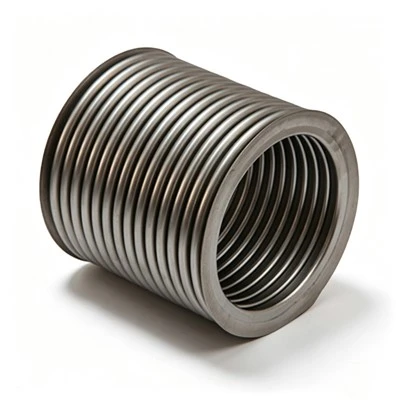
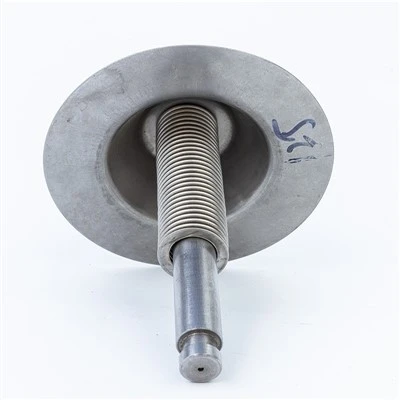
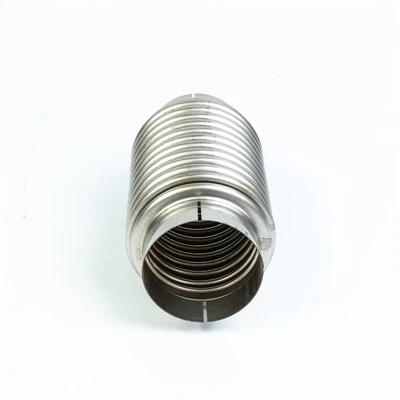
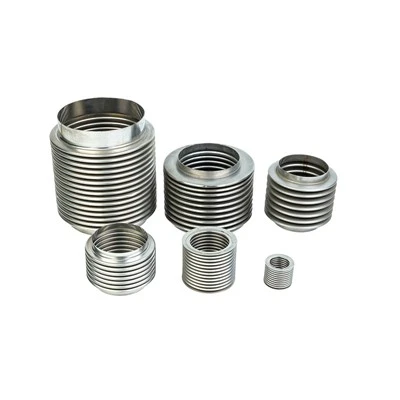
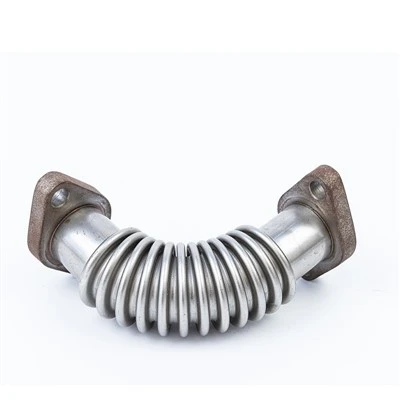
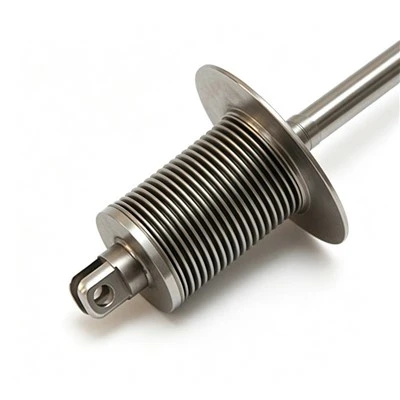
As a supplier of Helical Corrugated Metal Hoses, I've witnessed firsthand the importance of reliable sealing in various industries. Helical corrugated metal hoses are widely used in applications where flexibility, durability, and high - pressure resistance are required, such as in automotive, aerospace, and industrial machinery industries. However, achieving and maintaining a high - quality seal can be a challenge. In this blog, I'll share some practical tips on how to improve the sealing of helical corrugated metal hoses.
Understanding the Basics of Helical Corrugated Metal Hoses
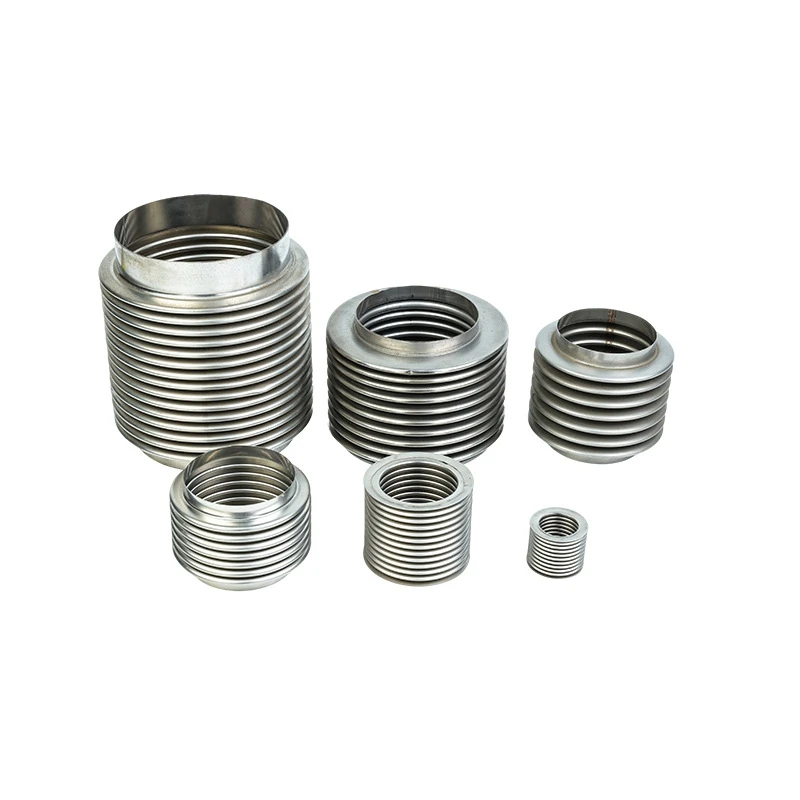
Helical corrugated metal hoses are typically made of stainless steel or other metals. The helical corrugation design provides excellent flexibility, allowing the hoses to bend and twist to fit different installation spaces. They are used to convey fluids (liquids or gases) in systems where there is movement, vibration, or thermal expansion.
The sealing of these hoses is crucial for preventing leaks, which can lead to loss of fluid, contamination, and even safety hazards. A proper seal ensures the efficient operation of the entire system and reduces maintenance costs.
Selecting the Right Materials
The choice of materials for both the hose and the sealing components is fundamental to achieving good sealing. For the helical corrugated metal hose itself, stainless steel is a popular choice due to its corrosion resistance, high strength, and durability. However, depending on the application, other metals like copper or aluminum may also be suitable.
When it comes to sealing materials, several options are available. Rubber seals, such as EPDM (Ethylene Propylene Diene Monomer) and NBR (Nitrile Butadiene Rubber), are commonly used. EPDM offers good resistance to weathering, ozone, and high - temperature steam, making it suitable for outdoor and high - temperature applications. NBR, on the other hand, has excellent resistance to oil and fuel, making it a great choice for automotive and industrial applications.
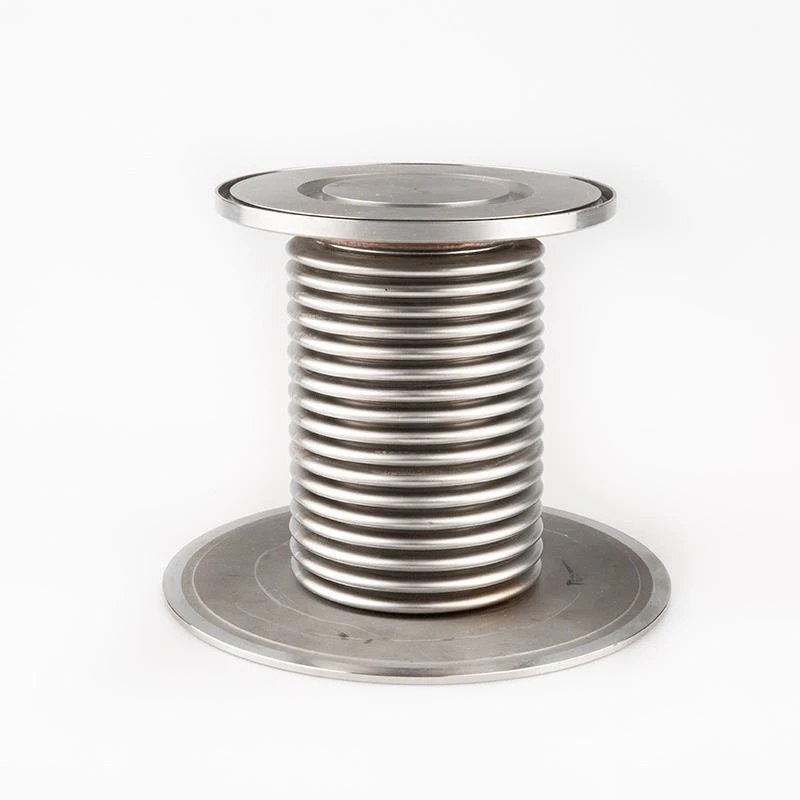
PTFE (Polytetrafluoroethylene) is another excellent sealing material. It has a low coefficient of friction, high chemical resistance, and can withstand a wide range of temperatures. PTFE seals are often used in applications where there is a risk of chemical attack or where a low - friction seal is required.
Design Considerations for Sealing
- Proper Fitting Design: The fittings used to connect the helical corrugated metal hose to the system play a crucial role in sealing. The fittings should be designed to match the hose's dimensions and the sealing requirements of the application. For example, compression fittings can be used to create a tight seal by compressing the sealing material against the hose and the mating surface. Flange fittings are also commonly used, especially in high - pressure applications.
- Sealing Surface Preparation: The surfaces of the hose and the fittings that come into contact with the sealing material need to be carefully prepared. They should be clean, smooth, and free from any contaminants, such as dirt, oil, or rust. Any rough areas or scratches on the sealing surfaces can cause leaks. Surface finishing techniques, such as grinding or polishing, can be used to improve the smoothness of the sealing surfaces.
- Sealing Geometry: The geometry of the sealing area also affects the sealing performance. For example, the shape and size of the seal groove can impact the amount of compression applied to the sealing material. A properly designed seal groove can ensure that the sealing material is evenly compressed, creating a reliable seal.
Installation Best Practices
- Correct Assembly: During installation, it is essential to assemble the components correctly. The hose should be inserted into the fittings to the proper depth, and the sealing material should be placed correctly in the seal groove. Over - tightening or under - tightening the fittings can both lead to sealing problems. Over - tightening can damage the sealing material or the hose, while under - tightening can result in a loose seal.
- Alignment: Proper alignment of the hose and the fittings is crucial. Misalignment can cause uneven pressure on the sealing material, leading to leaks. Use alignment tools and follow the manufacturer's instructions to ensure that the hose and the fittings are correctly aligned during installation.
- Clearance and Tolerance: Pay attention to the clearance and tolerance between the hose and the fittings. Excessive clearance can allow the fluid to bypass the seal, while tight tolerance can make the installation difficult and may damage the components.
Maintenance and Inspection
- Regular Inspections: Regularly inspect the helical corrugated metal hoses and their sealing components for signs of wear, damage, or leaks. Look for cracks, cuts, or deformation in the hose and the sealing material. Check the tightness of the fittings and make sure they are not loosened over time.
- Replacement of Sealing Components: If any signs of wear or damage are detected in the sealing components, they should be replaced immediately. Using worn - out sealing materials can lead to leaks and compromise the performance of the entire system.
- Cleaning and Lubrication: Keep the hoses and the sealing components clean. Remove any dirt, debris, or contaminants that may accumulate on the surfaces. In some cases, lubrication of the sealing material can improve its sealing performance and reduce friction. However, use the appropriate lubricant that is compatible with the sealing material and the fluid being conveyed.
Industry - Specific Considerations
- Automotive Industry: In the automotive industry, helical corrugated metal hoses are often used in fuel systems, exhaust systems, and cooling systems. The sealing requirements in these applications are very high, as any leaks can pose a serious safety risk. For fuel systems, the sealing material must be resistant to fuel and have good temperature resistance. In exhaust systems, the hoses need to withstand high temperatures and vibrations, and the sealing should be able to prevent the escape of exhaust gases.
- Aerospace Industry: In the aerospace industry, the reliability of the sealing of helical corrugated metal hoses is of utmost importance. The hoses are used in various systems, such as hydraulic systems and fuel transfer systems. The sealing materials need to be lightweight, have high strength, and be able to withstand extreme temperatures and pressures. Additionally, the hoses must meet strict safety and quality standards.
- Industrial Machinery Industry: In industrial machinery, helical corrugated metal hoses are used to convey various fluids, such as water, oil, and chemicals. The sealing requirements depend on the type of fluid being conveyed and the operating conditions. For example, in chemical processing plants, the sealing material must be resistant to the specific chemicals used in the process.
Conclusion
Improving the sealing of helical corrugated metal hoses is a multi - faceted process that involves selecting the right materials, proper design, correct installation, and regular maintenance. By following these guidelines, you can ensure a reliable and long - lasting seal for your helical corrugated metal hoses.
If you are in the market for high - quality helical corrugated metal hoses or need more information on sealing solutions, feel free to contact us for procurement and negotiation. We are committed to providing you with the best products and services to meet your specific requirements.
As a supplier, we also offer a wide range of related products, such as Corrugated Stainless Steel Hose, Annular Corrugated Metal Hose, Stainless Steel Flexible Hose Assembly, Helical Corrugated Metal Hose and Interlocked Stainless Steel Hose.
References
- "Handbook of Metal Hose Design and Application", Industrial Press Inc.
- "Sealing Technology for Fluid Systems", Elsevier Science