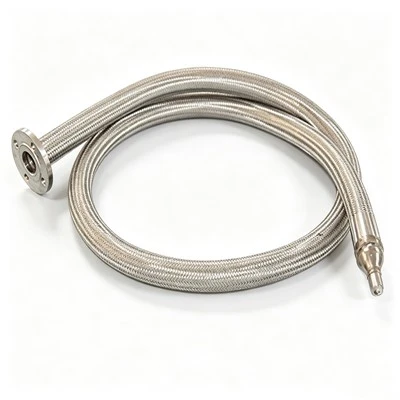
Hey there! I'm a supplier of Braided Corrugated Metal Hoses, and today I want to chat about how to prevent static electricity in these hoses. Static electricity can be a real pain in the neck when it comes to braided corrugated metal hoses. It can cause all sorts of problems, from minor annoyances to serious safety hazards. But don't worry, I've got some tips and tricks that can help you keep static electricity at bay.
Understanding the Problem
First things first, let's talk about why static electricity happens in the first place. When two materials rub against each other, electrons can transfer from one material to the other. This creates an imbalance of charges, which results in static electricity. In the case of braided corrugated metal hoses, this can happen when the hose rubs against other objects, or when there's friction between the fluid flowing through the hose and the inner surface of the hose.
Static electricity in braided corrugated metal hoses can lead to several issues. It can cause sparks, which are a major fire hazard, especially in environments where there are flammable substances. It can also attract dust and debris, which can clog the hose and reduce its performance. And in some cases, it can even damage the hose itself over time.
Grounding the Hose
One of the most effective ways to prevent static electricity in braided corrugated metal hoses is by grounding the hose. Grounding provides a path for the electrical charges to flow safely into the ground, preventing the buildup of static electricity.
To ground a braided corrugated metal hose, you'll need to connect it to a grounding conductor. This can be a copper wire or a grounding strap. The grounding conductor should be securely attached to the hose and then connected to a proper grounding point, such as a grounding rod or a building's grounding system.
Make sure the connection is tight and free of corrosion. Over time, corrosion can increase the resistance of the grounding path, reducing its effectiveness. Regularly inspect the grounding connection to ensure it's in good condition.
Using Anti - Static Materials
Another great way to prevent static electricity is by using anti - static materials. Some manufacturers offer braided corrugated metal hoses that are made with or coated with anti - static materials. These materials help to dissipate the electrical charges and prevent them from building up.
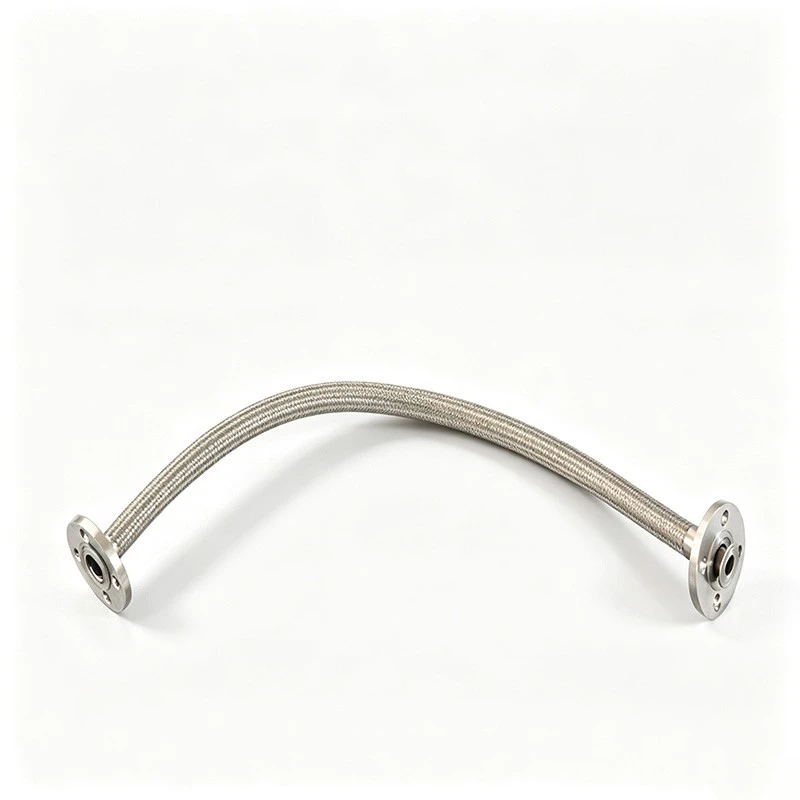
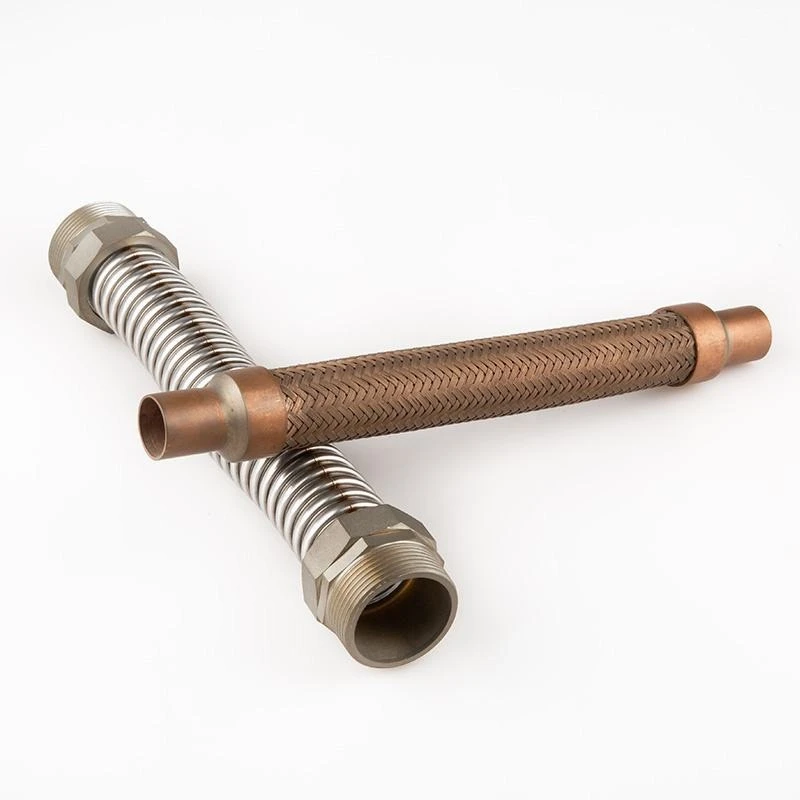
For example, there are special anti - static polymers that can be used in the manufacturing process of the hose. These polymers have conductive properties that allow the static charges to flow away from the hose. When choosing a hose, look for ones that are specifically labeled as anti - static. You can find a variety of options on our website, including High Pressure Stainless Steel Hose, Interlocked Stainless Steel Hose, and Annular Corrugated Metal Hose.
Controlling the Flow Rate
The flow rate of the fluid through the hose can also have an impact on static electricity buildup. When the fluid flows too fast, it can create more friction against the inner surface of the hose, leading to more static electricity.
Try to control the flow rate of the fluid within a reasonable range. This may require adjusting the valves or pumps in the system. If possible, use flow - control devices to ensure a steady and moderate flow rate. This not only helps to prevent static electricity but also improves the overall performance and lifespan of the hose.
Maintaining a Clean Environment
A dirty environment can contribute to static electricity buildup. Dust and debris can act as insulators, preventing the dissipation of electrical charges. So, it's important to keep the area around the braided corrugated metal hose clean.
Regularly clean the hose and the surrounding area. You can use a soft brush or a cloth to remove any dust or dirt from the surface of the hose. Avoid using abrasive cleaners that could damage the hose. Also, make sure the storage area for the hoses is clean and dry.
Using Conductive Fluids
If the fluid flowing through the hose is conductive, it can help to prevent static electricity. Conductive fluids allow the electrical charges to be carried away with the flow of the fluid.
Before choosing a fluid to use with the hose, check its conductivity. Some industries may have specific requirements for the conductivity of the fluids used in their systems. If the fluid you're using is not conductive, you may need to consider adding conductive additives.
Inspecting and Testing
Regular inspection and testing of the braided corrugated metal hoses are crucial. You can use a static meter to measure the static electricity levels on the hose. If the levels are too high, it's a sign that you need to take corrective action.
Inspect the hose for any signs of damage, such as cuts or abrasions. Damaged areas can disrupt the grounding path and increase the risk of static electricity buildup. Replace any damaged hoses immediately.
Conclusion
Preventing static electricity in braided corrugated metal hoses is essential for the safety and performance of your system. By grounding the hose, using anti - static materials, controlling the flow rate, maintaining a clean environment, using conductive fluids, and regularly inspecting and testing, you can significantly reduce the risk of static electricity.
If you're in the market for high - quality braided corrugated metal hoses, we've got you covered. We offer a wide range of products, including Corrugated Stainless Steel Hose and Stainless Steel Flexible Hose Assembly. If you have any questions or want to discuss your specific requirements, feel free to reach out. We're here to help you find the best solutions for your needs.
References
- "Static Electricity in Industrial Processes: Principles and Applications of Electrostatics" by Neil S. Faraday
- Manufacturer's guidelines for braided corrugated metal hoses