What is the magnetic property of annular corrugated metal hoses?
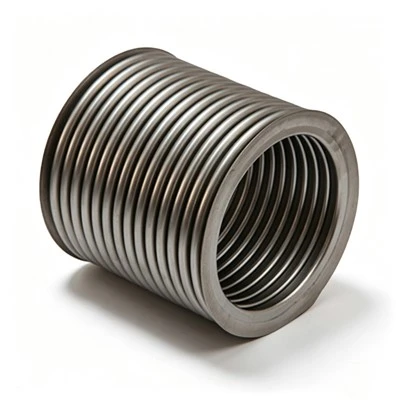
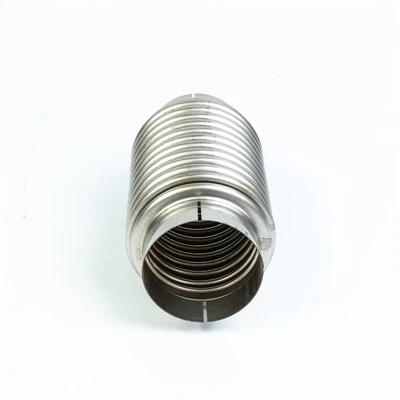
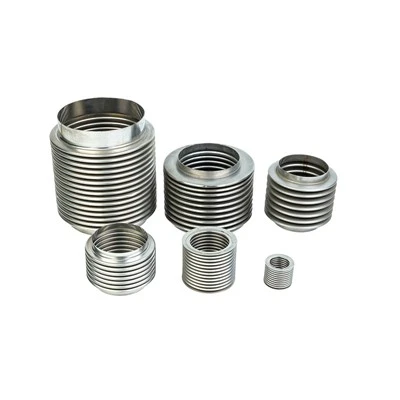
Annular corrugated metal hoses are widely used in various industries for their flexibility, durability, and ability to withstand high pressures and temperatures. As a trusted supplier of Annular Corrugated Metal Hose, I am often asked about the magnetic properties of these hoses. In this blog post, I will explore the factors that influence the magnetic properties of annular corrugated metal hoses, their implications in different applications, and how to choose the right hose based on magnetic requirements.
Understanding the Basics of Magnetic Properties
Magnetism is a fundamental property of certain materials that allows them to attract or repel other magnetic materials. There are three main types of magnetic materials: ferromagnetic, paramagnetic, and diamagnetic. Ferromagnetic materials, such as iron, nickel, and cobalt, exhibit strong magnetic properties and can be magnetized easily. Paramagnetic materials are weakly attracted to magnetic fields, while diamagnetic materials are weakly repelled by magnetic fields.
The magnetic properties of a material are determined by its atomic structure and the arrangement of its electrons. In ferromagnetic materials, the electrons in the atoms are arranged in such a way that they create a net magnetic moment, which allows the material to be magnetized. Paramagnetic materials have unpaired electrons that are randomly oriented, but they can be aligned in the presence of a magnetic field, resulting in a weak attraction. Diamagnetic materials have all their electrons paired, and they create a magnetic field that opposes the applied magnetic field, causing a weak repulsion.
Factors Affecting the Magnetic Properties of Annular Corrugated Metal Hoses
The magnetic properties of annular corrugated metal hoses depend on several factors, including the material composition, manufacturing process, and surface treatment.
Material Composition
The most common materials used in the manufacturing of annular corrugated metal hoses are stainless steel, carbon steel, and aluminum. Stainless steel is a popular choice due to its corrosion resistance, high strength, and flexibility. However, not all stainless steels are magnetic. Austenitic stainless steels, such as 304 and 316, are generally non-magnetic in their annealed state. This is because the face-centered cubic (FCC) crystal structure of austenitic stainless steels does not allow for the formation of a net magnetic moment. However, cold working or deformation can induce a phase transformation from austenite to martensite, which is ferromagnetic. As a result, cold-worked regions of austenitic stainless steel hoses may exhibit magnetic properties.
Ferritic and martensitic stainless steels, on the other hand, are ferromagnetic. Ferritic stainless steels have a body-centered cubic (BCC) crystal structure, which allows for the alignment of electron spins and the formation of a net magnetic moment. Martensitic stainless steels are also ferromagnetic due to their BCC or body-centered tetragonal (BCT) crystal structure. Carbon steel is another ferromagnetic material commonly used in the manufacturing of metal hoses. It contains iron as the main component, which is a ferromagnetic element.
Aluminum is a diamagnetic material, which means it is weakly repelled by magnetic fields. Aluminum hoses are non-magnetic and are often used in applications where magnetic interference needs to be minimized, such as in electronic devices or sensitive instrumentation.
Manufacturing Process
The manufacturing process of annular corrugated metal hoses can also affect their magnetic properties. During the corrugation process, the metal is subjected to plastic deformation, which can induce a phase transformation in some materials. For example, cold working of austenitic stainless steel can cause the formation of martensite, which is ferromagnetic. The degree of cold working and the strain rate during corrugation can influence the amount of martensite formed and, consequently, the magnetic properties of the hose.
Welding is another important manufacturing process that can affect the magnetic properties of metal hoses. Welding can cause changes in the microstructure and chemical composition of the metal, which can alter its magnetic properties. For example, the heat input during welding can cause the dissolution of carbides in stainless steel, which can affect the stability of the austenite phase and potentially lead to the formation of martensite.
Surface Treatment
Surface treatments, such as plating or coating, can also have an impact on the magnetic properties of annular corrugated metal hoses. Some plating materials, such as nickel or zinc, are ferromagnetic, and plating a non-magnetic hose with these materials can make the hose magnetic. However, if the plating layer is thin, its effect on the overall magnetic properties of the hose may be minimal.
Coatings, such as paint or epoxy, are generally non-magnetic and do not significantly affect the magnetic properties of the underlying metal hose. However, some coatings may contain ferromagnetic particles, which can introduce magnetic properties to the hose.
Implications of Magnetic Properties in Different Applications
The magnetic properties of annular corrugated metal hoses can have significant implications in various applications. Here are some examples:
Electronic and Electrical Applications
In electronic and electrical applications, magnetic interference can cause problems such as signal distortion, noise, and malfunction of sensitive components. Non-magnetic hoses, such as those made of austenitic stainless steel or aluminum, are preferred in these applications to minimize magnetic interference. For example, in the manufacturing of electronic devices, non-magnetic hoses can be used to transport fluids or gases without affecting the performance of the electronic components.
Food and Pharmaceutical Industries
In the food and pharmaceutical industries, magnetic contamination of products is a major concern. Ferromagnetic particles can be introduced into the products during the manufacturing process if the hoses used are magnetic. To prevent magnetic contamination, non-magnetic hoses, such as those made of 304 or 316 stainless steel, are commonly used. These hoses are also easy to clean and sterilize, which is essential for maintaining the hygiene standards in these industries.
Oil and Gas Industry
In the oil and gas industry, annular corrugated metal hoses are used in a variety of applications, including offshore drilling, pipeline transportation, and refinery processes. The magnetic properties of the hoses can affect their performance in certain applications. For example, in magnetic flow meters, which are used to measure the flow rate of fluids, the magnetic field generated by the meter can interact with the magnetic properties of the hose, leading to inaccurate measurements. In such cases, non-magnetic hoses are required to ensure the accuracy of the flow measurements.
Aerospace and Defense Applications
In aerospace and defense applications, the weight and magnetic properties of the components are critical factors. Non-magnetic hoses, such as those made of aluminum or austenitic stainless steel, are preferred in these applications to reduce weight and minimize magnetic signature. For example, in aircraft fuel systems, non-magnetic hoses can be used to reduce the magnetic interference with the aircraft's navigation and communication systems.
Choosing the Right Hose Based on Magnetic Requirements
When choosing an annular corrugated metal hose for a specific application, it is important to consider the magnetic requirements. Here are some guidelines to help you make the right choice:
Determine the Magnetic Environment
First, you need to determine the magnetic environment in which the hose will be used. If the application requires a non-magnetic hose to minimize magnetic interference or contamination, you should choose a hose made of a non-magnetic material, such as austenitic stainless steel or aluminum. If the magnetic properties of the hose are not critical, you can choose a hose made of a ferromagnetic material, such as carbon steel or ferritic stainless steel.
Consider the Manufacturing Process
As mentioned earlier, the manufacturing process can affect the magnetic properties of the hose. If you need a non-magnetic hose, you should choose a hose that has been manufactured using a process that minimizes the formation of ferromagnetic phases. For example, you can choose a hose made of austenitic stainless steel that has been annealed after cold working to reduce the amount of martensite formed.
Evaluate the Surface Treatment
Surface treatments can also affect the magnetic properties of the hose. If you need a non-magnetic hose, you should avoid hoses that have been plated or coated with ferromagnetic materials. Instead, choose a hose with a non-magnetic surface treatment, such as paint or epoxy.
Conclusion
The magnetic properties of annular corrugated metal hoses depend on the material composition, manufacturing process, and surface treatment. Non-magnetic hoses, such as those made of austenitic stainless steel or aluminum, are preferred in applications where magnetic interference or contamination needs to be minimized. Ferromagnetic hoses, such as those made of carbon steel or ferritic stainless steel, are used in applications where magnetic properties are not critical. When choosing a hose, it is important to consider the magnetic requirements of the application and select a hose that meets those requirements.
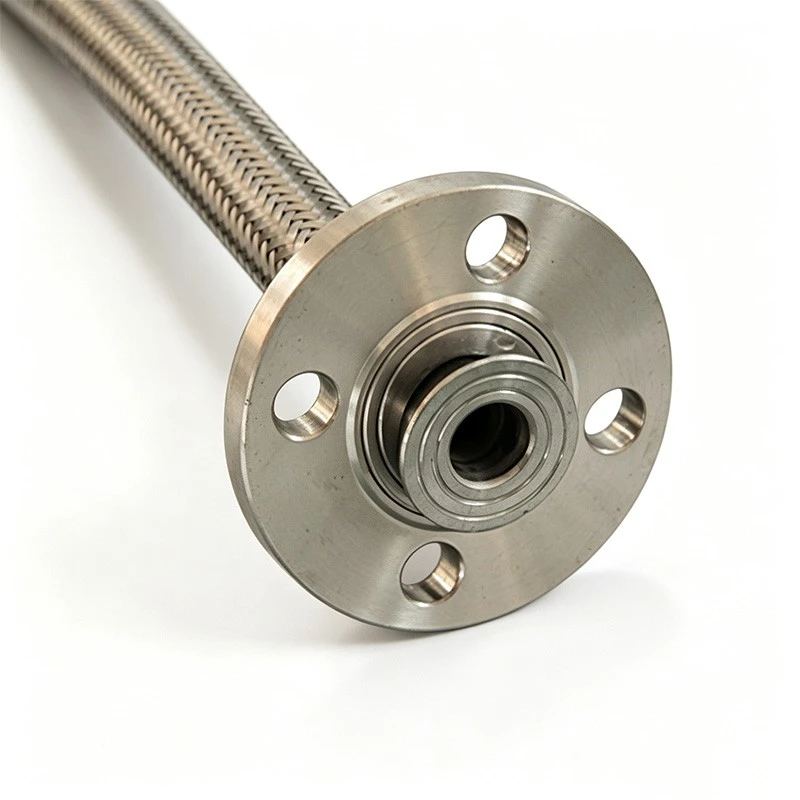
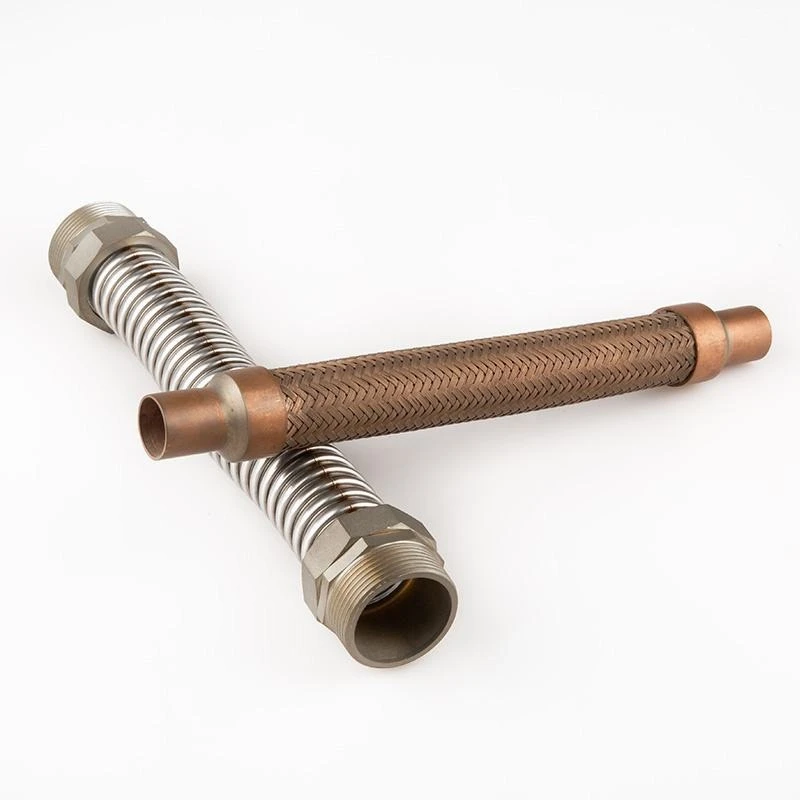
As a leading supplier of Annular Corrugated Metal Hose, we offer a wide range of hoses with different magnetic properties to meet the needs of various applications. If you have any questions or need help choosing the right hose for your application, please feel free to contact us. We are committed to providing high-quality products and excellent customer service.
If you are interested in other related products, you can also check out our Stainless Steel Flexible Hose Assembly, Corrugated Stainless Steel Hose, Interlocked Stainless Steel Hose, and Braided Corrugated Metal Hose.
Contact us today to start your procurement and let's discuss how our products can meet your specific requirements.
References
- ASM Handbook, Volume 1: Properties and Selection: Irons, Steels, and High-Performance Alloys, ASM International, 1990.
- Callister, W. D., & Rethwisch, D. G. (2017). Materials Science and Engineering: An Introduction. John Wiley & Sons.
- Metals Handbook Desk Edition, 3rd Edition, ASM International, 2005.