1. Flange Connection
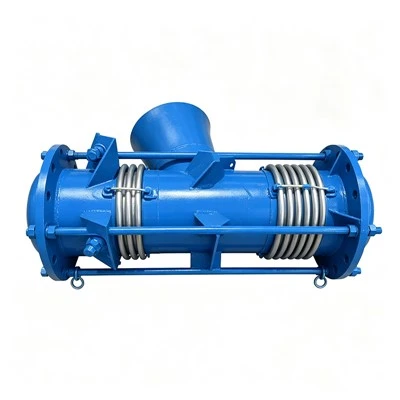
Flanged connections are one of the most common connection methods for bellows. Flanges are fixed to production equipment or pipelines with bolts, offering advantages such as easy disassembly and good sealing. The flanges at both ends of the bellows are usually of the same specification. During installation, ensure that the flange plane fits well with the outer diameter of the bellows. Tighten the bolts with a uniform torque to avoid damage caused by uneven force.
2. Threaded Connection
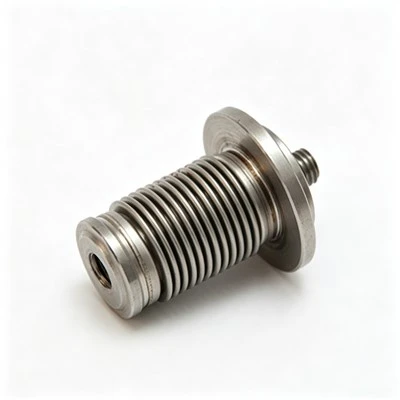
For small-diameter bellows, threaded connections are a simple and effective method. One end of the bellows is threaded, directly connecting to the internal threads of the pipe or equipment. During the connection process, use sealing tape or sealant to ensure a tight seal and prevent leakage.
3. Welded Connection
Welded connections are suitable for bellows requiring long-term fixation, such as in high-pressure or high-temperature environments. The ends of the bellows can be welded to connect them to pipelines or equipment. Before welding, the weld joint must be cleaned to ensure weld quality. Simultaneously, temperature control is crucial during welding to prevent deformation of the bellows due to overheating.
4. Clamp Connection
Clamp connection is a simple and quick installation method suitable for non-high-pressure, low-temperature operating conditions. The two ends of the corrugated pipe are wrapped around the pipeline, and then clamps are used to secure it. This method is simple to install, but during use, the tightness of the clamps should be checked regularly to ensure the reliability of the connection.
Precautions for Connecting Corrugated Pipes
1. Selecting the Appropriate Corrugated Pipe
When selecting a corrugated pipe, the temperature, pressure, and properties of the medium in the working environment should be considered to select a corrugated pipe of appropriate material and specifications. Common corrugated pipe materials include stainless steel, carbon steel, and polytetrafluoroethylene (PTFE).
2. Preparations Before Installation
Before installing the corrugated pipe, the relevant equipment and pipelines should be inspected to ensure that the surfaces are clean, free of oil and dirt, and that there are no obvious defects at the connection points. At the same time, prepare the necessary tools, such as wrenches, screwdrivers, and welding equipment.
3. Ensuring a Sealed Connection
Regardless of the connection method used, ensuring a sealed connection is crucial. When using flanged or threaded connections, appropriate gaskets or sealing materials should be used to prevent gas or liquid leakage.
4. Regular Maintenance and Inspection
Regular maintenance and inspection are necessary for installed bellows systems. Pay attention to the fatigue and aging of the bellows, and replace aged or damaged bellows promptly to maintain the normal operation of the system.
Summary: There are various methods for connecting bellows, each suitable for different operating conditions. When connecting bellows, the appropriate connection method should be selected according to the actual situation, and attention should be paid to details and specifications during installation to ensure the safe and stable operation of the system. Proper maintenance and inspection can effectively extend the service life of bellows and improve work efficiency.