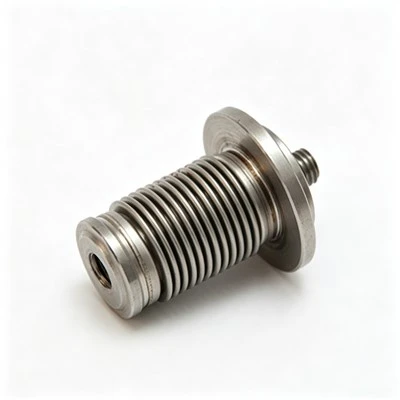
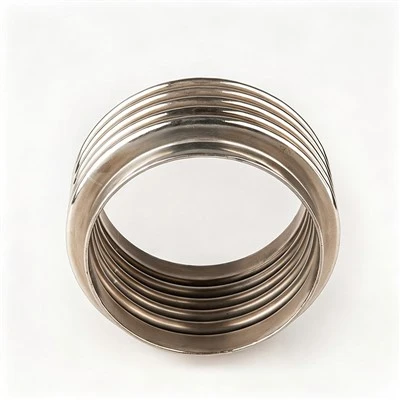
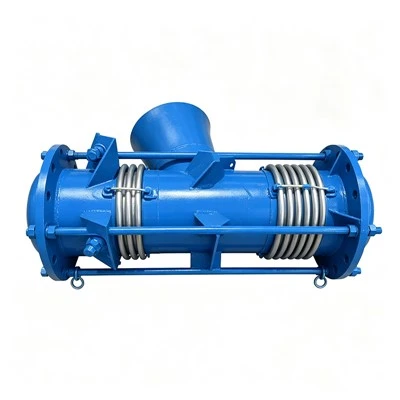
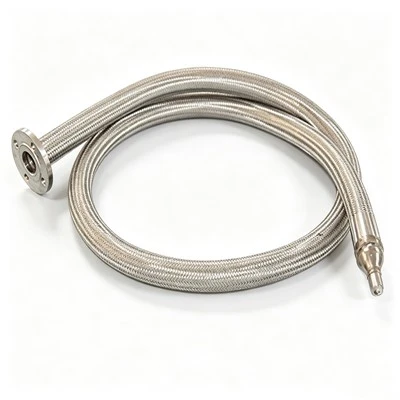
Expansion joints (flexible elements) generally refer to expansion joints (compensators). Expansion joints, also known as compensators, pipeline expansion joints, or expansion devices, are connecting devices used to absorb deformation in pipeline systems caused by thermal expansion and contraction, vibration, and geological changes. They are widely used in heating, chemical, and water supply pipeline systems. Their main functions include compensating for axial, lateral, and angular displacements, reducing pipe wall stress, and mitigating the impact of equipment vibration. Common structures include corrugated pipe type, sleeve type, and elbow type: the corrugated pipe type achieves compact compensation through a metal corrugated structure and requires the use of protective tie rods; the sleeve type utilizes axial sliding of the inner and outer pipes to reduce frictional resistance; the elbow type uses a U-shaped design, offering high strength but occupying more space.
Based on materials, these devices are divided into metal and rubber types: metal types are resistant to high temperatures and pressures and are suitable for steam and gas pipelines; rubber types have multi-directional displacement compensation capabilities, are corrosion-resistant, and can reduce vibration and noise. Non-metallic expansion joints (such as fiber fabric types) combine sound absorption and corrosion resistance, and are suitable for hot air pipelines. When selecting a model, the characteristics of the medium, pressure rating, and installation conditions must be considered. Connection methods include flanges and welding, and guide supports are required during installation to balance the thrust. In special applications such as deepwater drilling riser systems, expansion joints employ a rotating step design to improve connection efficiency.