What is the axial stiffness of Metal Lateral Expansion Joint?
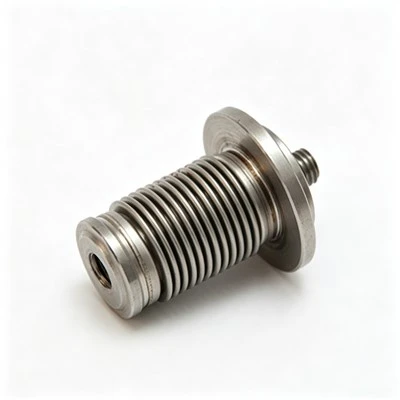
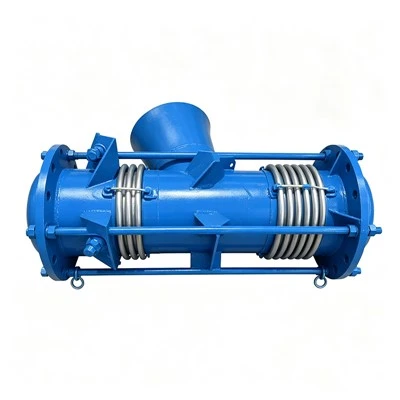
As a supplier of Metal Lateral Expansion Joint, I often encounter questions from customers about the axial stiffness of these crucial components. In this blog post, I will delve into the concept of axial stiffness in metal lateral expansion joints, its significance, and how it impacts the performance of these joints in various applications.
Understanding Axial Stiffness
Axial stiffness refers to the resistance of an expansion joint to axial displacement. In simpler terms, it is the force required to cause a unit change in the length of the expansion joint along its axis. For a metal lateral expansion joint, axial stiffness is a critical parameter that determines how the joint will respond to axial forces and movements in a piping system.
The axial stiffness of a metal lateral expansion joint is influenced by several factors, including the material properties of the metal, the geometry of the joint, and the number of bellows. The material properties, such as the modulus of elasticity, play a significant role in determining the stiffness. A higher modulus of elasticity means that the material is stiffer and will require more force to deform.
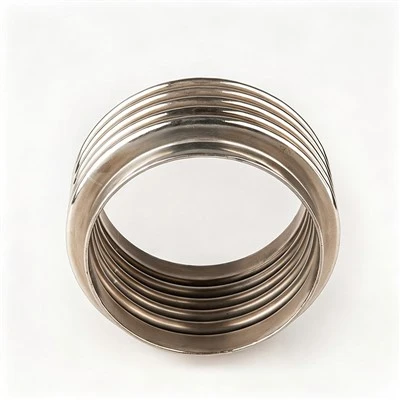
The geometry of the joint, including the diameter, wall thickness, and number of convolutions in the bellows, also affects the axial stiffness. A larger diameter or thicker wall will generally result in a higher axial stiffness, as these factors increase the cross-sectional area and the overall strength of the joint. Additionally, the number of convolutions in the bellows can impact the flexibility and stiffness of the joint. More convolutions typically result in a more flexible joint with lower axial stiffness.
Significance of Axial Stiffness
The axial stiffness of a metal lateral expansion joint is crucial for several reasons. Firstly, it helps to ensure the proper functioning of the piping system. In a piping system, thermal expansion and contraction, as well as other external forces, can cause axial movements. The expansion joint must be able to accommodate these movements without excessive stress or deformation. A joint with the appropriate axial stiffness will be able to absorb the axial forces and movements effectively, preventing damage to the piping system and ensuring its long-term reliability.
Secondly, axial stiffness affects the load distribution in the piping system. When an axial force is applied to the expansion joint, the stiffness of the joint determines how much of the force is transferred to the adjacent piping and equipment. A joint with high axial stiffness will transfer more of the force to the piping, which can lead to increased stress and potential damage. On the other hand, a joint with low axial stiffness will absorb more of the force, reducing the stress on the piping and equipment.
Finally, the axial stiffness of a metal lateral expansion joint can impact the overall cost of the piping system. A joint with higher axial stiffness may require more robust support structures and additional components to handle the increased forces. This can increase the cost of installation and maintenance. Therefore, it is important to select an expansion joint with the appropriate axial stiffness to balance performance and cost.
Measuring Axial Stiffness
The axial stiffness of a metal lateral expansion joint can be measured through various methods. One common method is to conduct a physical test on the joint. In this test, a known axial force is applied to the joint, and the resulting displacement is measured. The axial stiffness can then be calculated by dividing the applied force by the displacement.
Another method is to use analytical models to predict the axial stiffness of the joint. These models take into account the material properties, geometry, and other factors that influence the stiffness. By using these models, engineers can estimate the axial stiffness of the joint before it is manufactured, allowing for more accurate design and selection.
Impact of Axial Stiffness on Different Types of Expansion Joints
In addition to metal lateral expansion joints, there are several other types of expansion joints, each with its own unique characteristics and applications. Let's take a look at how axial stiffness impacts some of these other types of expansion joints:
- Externally Pressurized Metal Expansion Joint: These joints are designed to withstand high pressures and are often used in applications where the piping system is subject to external pressure. The axial stiffness of an externally pressurized metal expansion joint is typically higher than that of a standard metal lateral expansion joint, as it needs to resist the external pressure and maintain its shape.
- Metal Angular Expansion Joint: These joints are used to accommodate angular movements in a piping system. The axial stiffness of a metal angular expansion joint is relatively low, as it needs to be flexible enough to allow for the angular displacement. However, it still needs to have sufficient stiffness to resist axial forces and prevent excessive deformation.
- Universal Metal Expansion Joint: These joints are designed to accommodate both axial and lateral movements in a piping system. The axial stiffness of a universal metal expansion joint is a balance between the need to accommodate axial movements and the need to resist axial forces. It is typically higher than that of a metal lateral expansion joint but lower than that of an externally pressurized metal expansion joint.
- Hinged Metal Expansion Joint: These joints are used to restrict movement to a single plane and are often used in applications where angular movement needs to be controlled. The axial stiffness of a hinged metal expansion joint is relatively high, as it needs to resist axial forces and maintain its alignment.
Selecting the Right Axial Stiffness
When selecting a metal lateral expansion joint, it is important to consider the specific requirements of the piping system. Factors such as the operating temperature, pressure, and movement range will all influence the choice of axial stiffness. A qualified engineer or supplier can help to determine the appropriate axial stiffness based on these factors.
In general, a lower axial stiffness is preferred when the piping system has a large amount of axial movement or when the joint needs to be more flexible. However, if the piping system is subject to high axial forces or if the joint needs to maintain its shape under pressure, a higher axial stiffness may be required.
Conclusion
The axial stiffness of a metal lateral expansion joint is a critical parameter that affects the performance and reliability of the piping system. By understanding the concept of axial stiffness, its significance, and how it is measured, engineers and designers can make informed decisions when selecting an expansion joint. As a supplier of Metal Lateral Expansion Joint, I am committed to providing high-quality products with the appropriate axial stiffness to meet the needs of our customers.
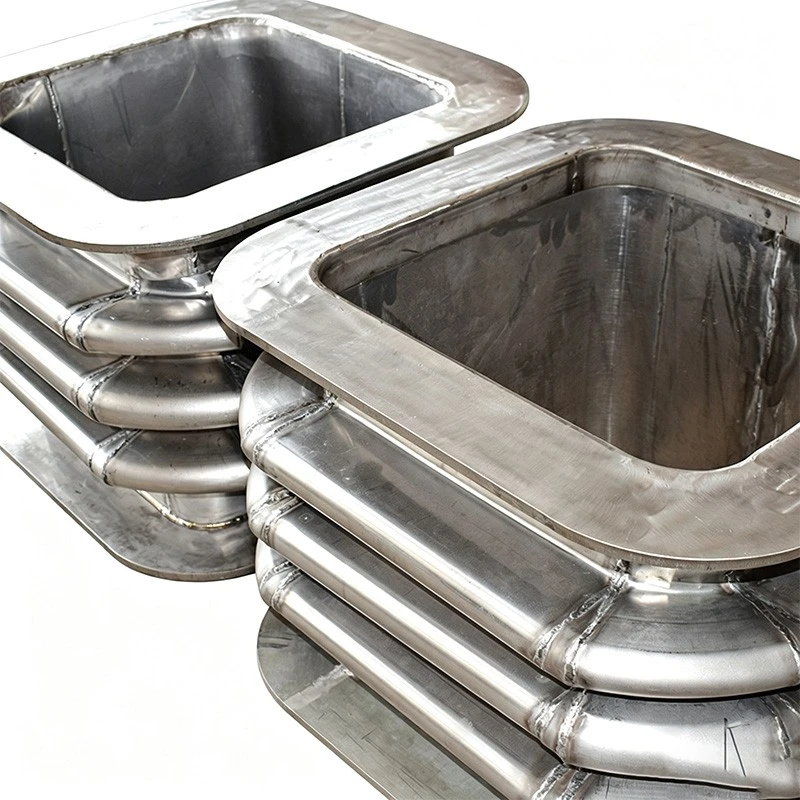
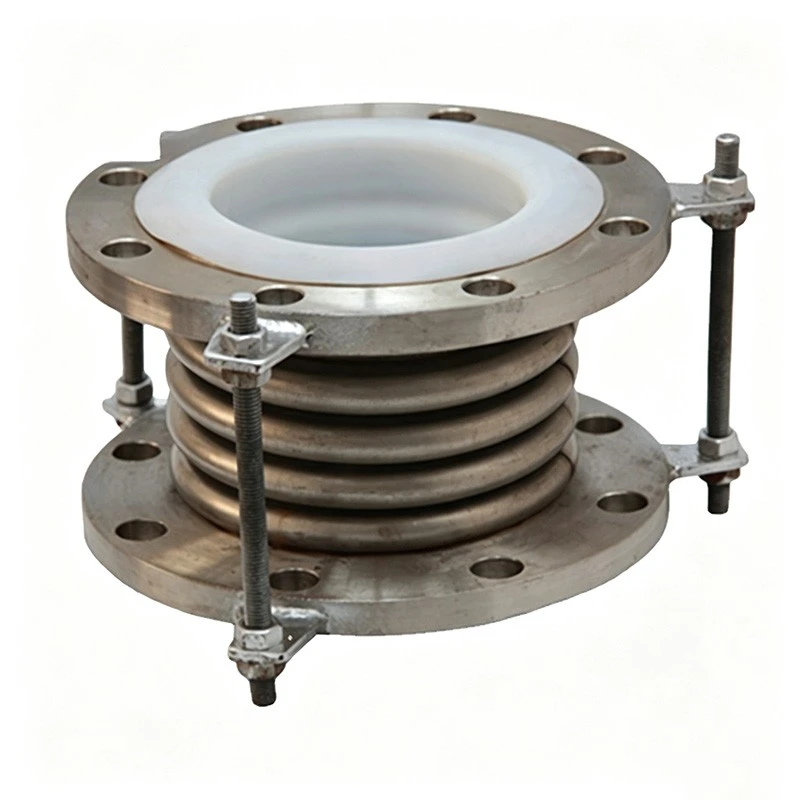
If you are in the market for a metal lateral expansion joint or have any questions about axial stiffness, please feel free to contact us. We would be happy to discuss your requirements and provide you with a customized solution.
References
- "Piping Handbook" by Mohinder L. Nayyar
- "Expansion Joints: Design, Selection, and Installation" by John P. Zappe