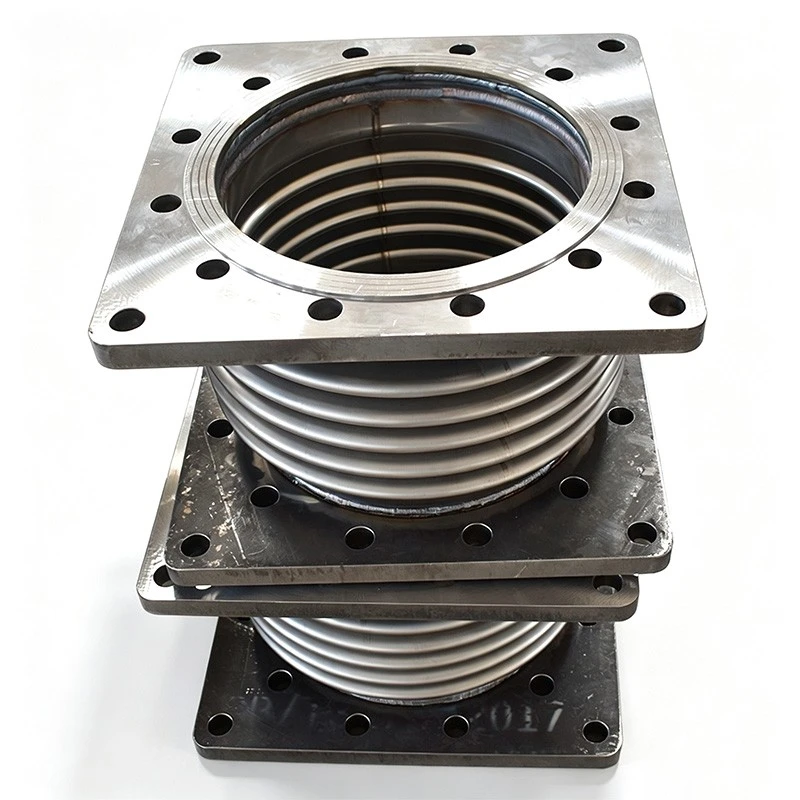
Axial Compensation for Thermal Piping Movement
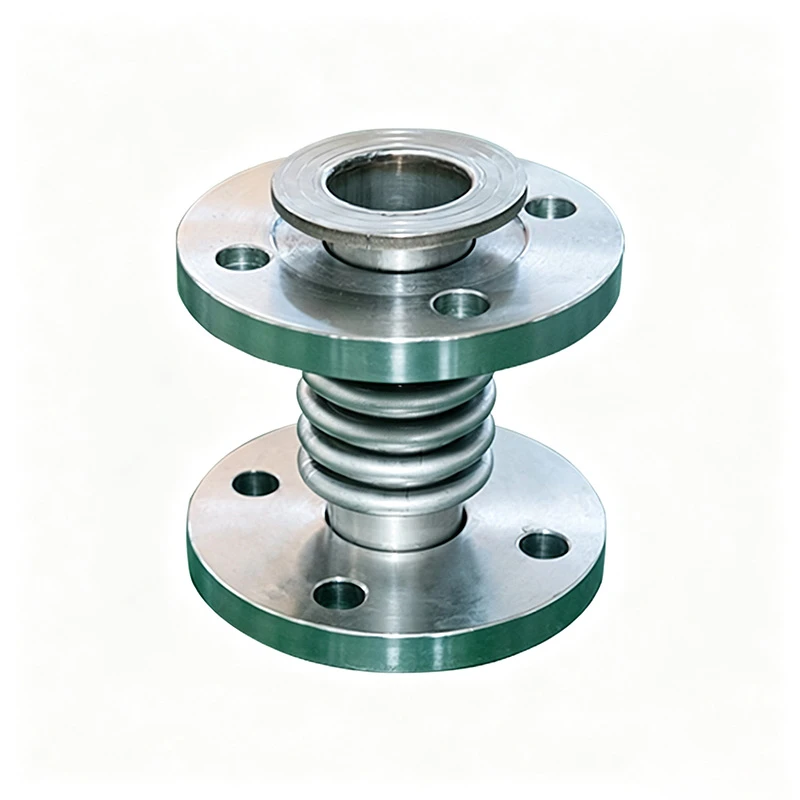
A Metal Axial Expansion Joint is mainly used to absorb thermal expansion and contraction along the centerline of a pipeline. It is commonly applied in steam, hot-water, and high-temperature industrial piping where temperature changes produce clear linear movement.
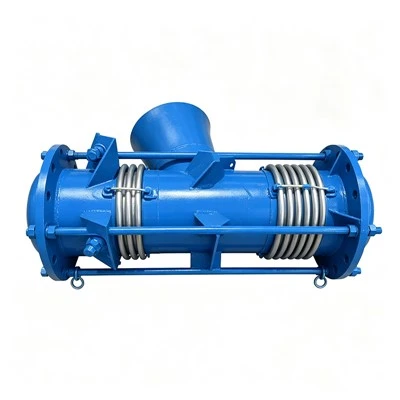
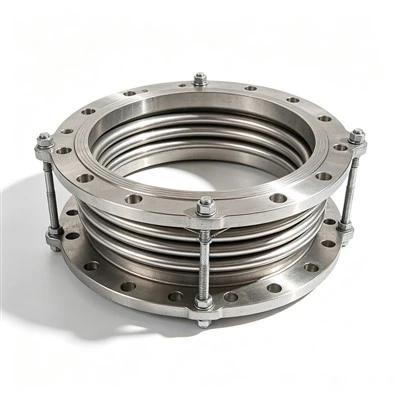
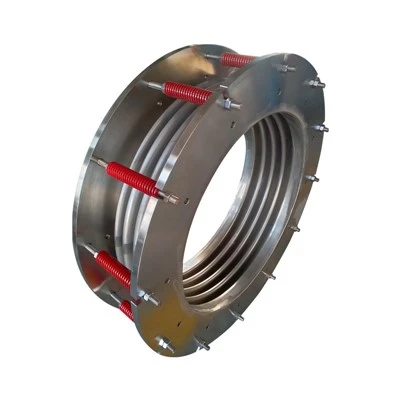
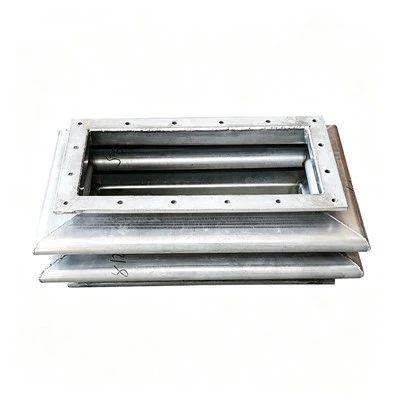
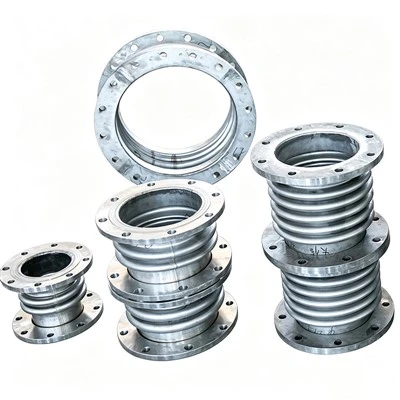
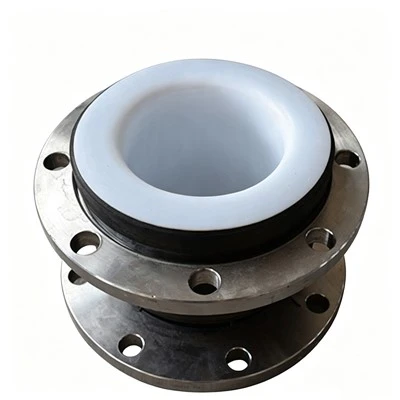
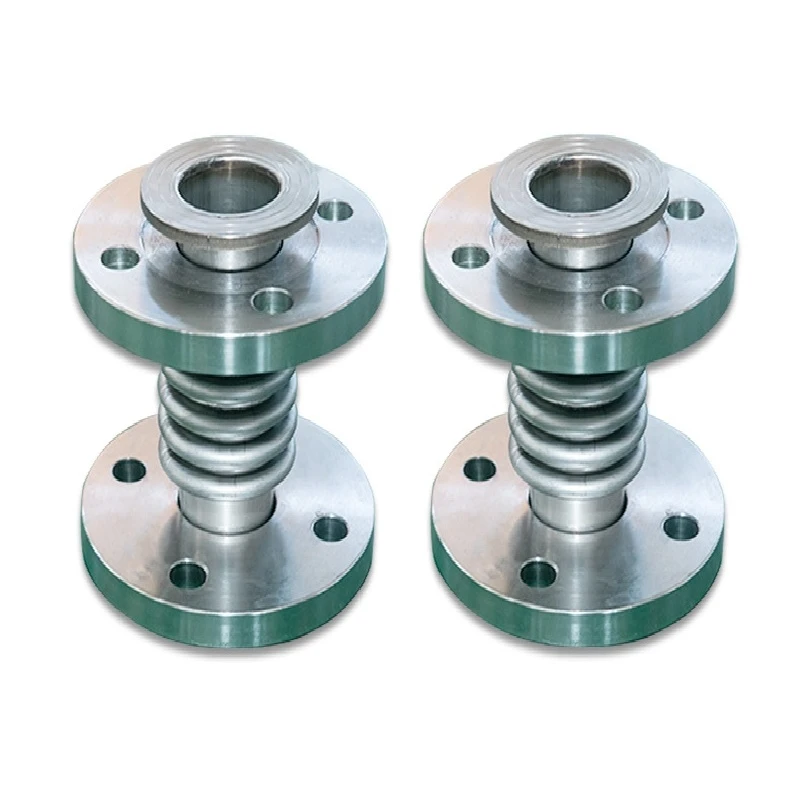
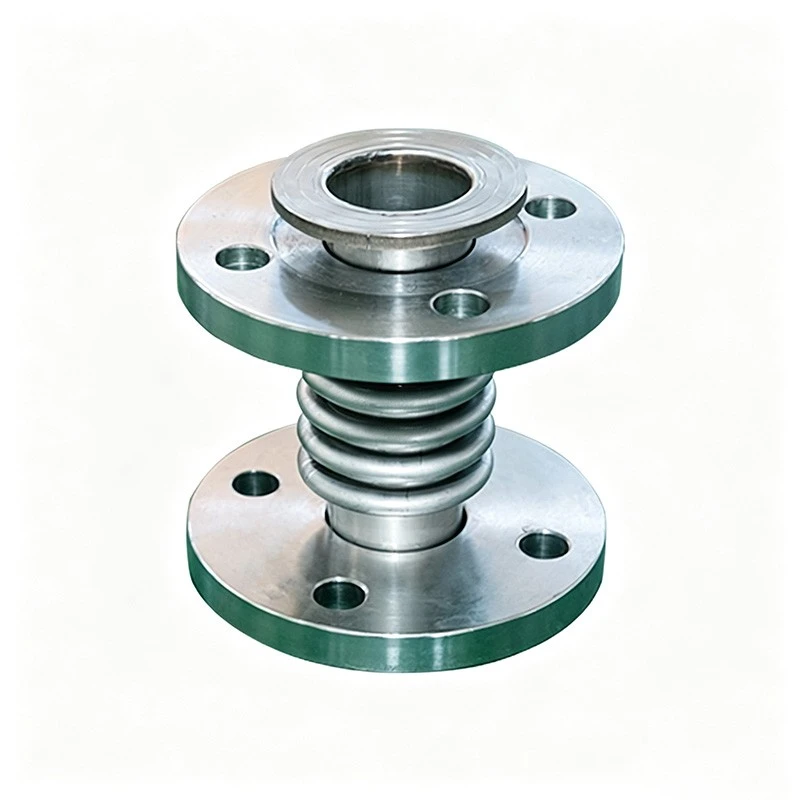
The metal bellows is the main flexible element. It can be combined with end pipes, flanges, an internal sleeve, guiding components, or an external protective structure. Stainless steel and alloy materials are available for the bellows.
Connection options include flange connections and welded end pipes. The number of convolutions, effective length, and overall dimensions must be designed according to the pipe diameter, required axial compensation, working temperature, working pressure, and expected operating cycles.
Directional Movement and Accessory Selection
When the pipeline temperature rises or falls, the bellows compresses or extends along the pipe axis. This movement can reduce the direct transfer of thermal expansion to equipment nozzles and rigid pipeline connections.
For systems with a higher internal medium flow rate, an internal sleeve can be added according to the project requirements. The sleeve can reduce direct interaction between the flowing medium and the corrugated structure. For installation areas exposed to external impact or difficult site conditions, a protective component may be added.
The Metal Axial Expansion Joint is intended for movement in the axial direction. It should not be required to absorb obvious lateral or angular displacement unless the complete structure has been reviewed for those conditions.
Before ordering, purchasers should provide the actual pipe diameter, design pressure, design temperature, medium, axial movement, expected cycles, installation length, and connection requirements. The fixed and guided support conditions of the pipeline should also be confirmed.
Expansion Joint Manufacturing Capability
Yixing Blog Pipeline Equipment Co., Ltd. has focused on metal bellows, expansion joints, and pipeline compensators since 2012. Products can be designed according to industrial pipeline movement and site installation conditions.
Manufacturing capabilities include hydroforming, sheet metal bending, automatic longitudinal seam welding, argon arc welding, laser cutting, and pressure testing. Bellows, end pipes, flanges, internal sleeves, and protective parts can be manufactured and assembled within the same project.
Technical personnel can participate in the early confirmation of pipe diameter, compensation movement, connection type, and assembly dimensions. Inspection is conducted during forming, welding, assembly, and finished-product acceptance.
The factory's pressure testing capability can reach 6.3 MPa. However, the actual test pressure for each product must be determined according to its design and the confirmed technical agreement.
Applications, Inspection, and Delivery
This product is suitable for steam pipelines, hot-water pipelines, industrial furnace piping, energy equipment, chemical installations, and heat-treatment systems.
Production can be based on technical drawings, pipeline parameters, or existing samples. The minimum order quantity is one piece. One standard specification normally requires about one month. Products involving special materials, larger quantities, new tooling, or complex accessories normally require two to three months.
Every product is inspected before packaging, and third-party inspection is supported. Photos or videos can be supplied during production. Packaging options include small packages and wooden cases, with EXW and FOB delivery available.
For repeat orders with unchanged materials, specifications, and production processes, delivery can generally be arranged about 15 days faster than the first order.
Hot Tags: metal axial expansion joint, China metal axial expansion joint manufacturers, suppliers, factory
Product Specifications
|
Parameter |
Specification |
|
Compensation Direction |
Axial |
|
Bellows Material |
Stainless steel or alloy material |
|
Connection Type |
Flange or end pipe |
|
Convolutions and Length |
Designed according to axial movement |
|
Design Conditions |
Pipe diameter, temperature, pressure, and operating cycles |