Insulation plays a crucial role in various industrial applications, and when it comes to Universal Metal Expansion Joints, its impact is significant. As a leading supplier of Universal Metal Expansion Joints, I have witnessed firsthand how insulation can affect the performance, durability, and overall efficiency of these essential components. In this blog post, I will delve into the details of how insulation impacts Universal Metal Expansion Joints, exploring its benefits, considerations, and potential challenges.
Understanding Universal Metal Expansion Joints
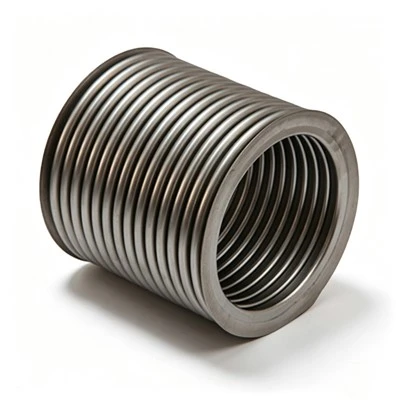
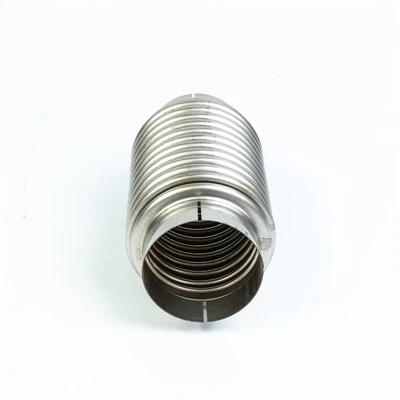
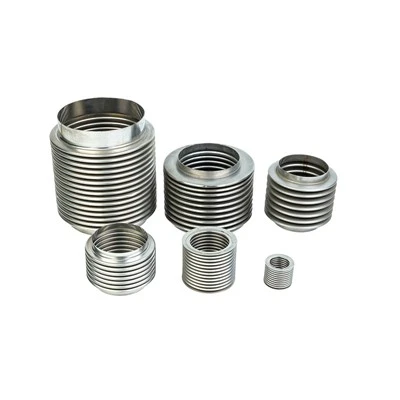
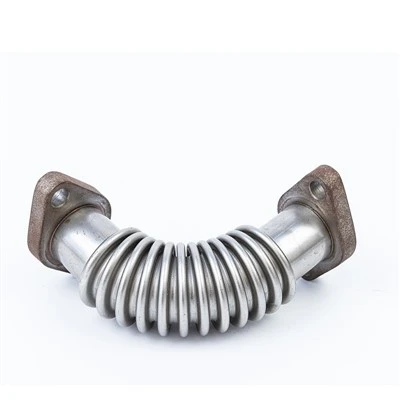
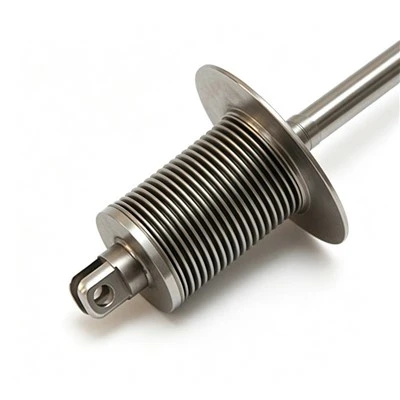
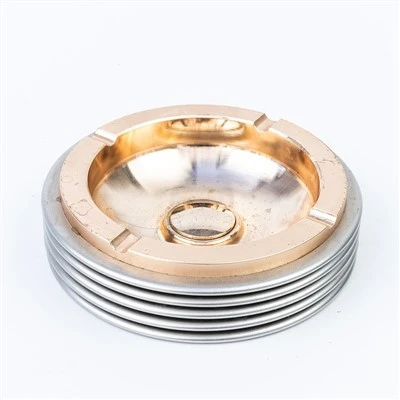
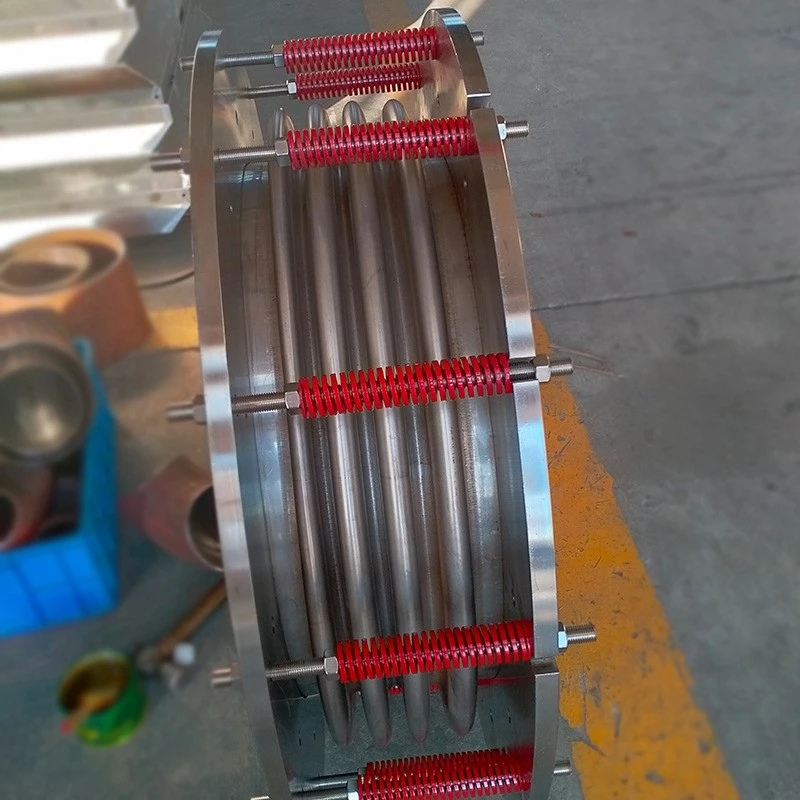
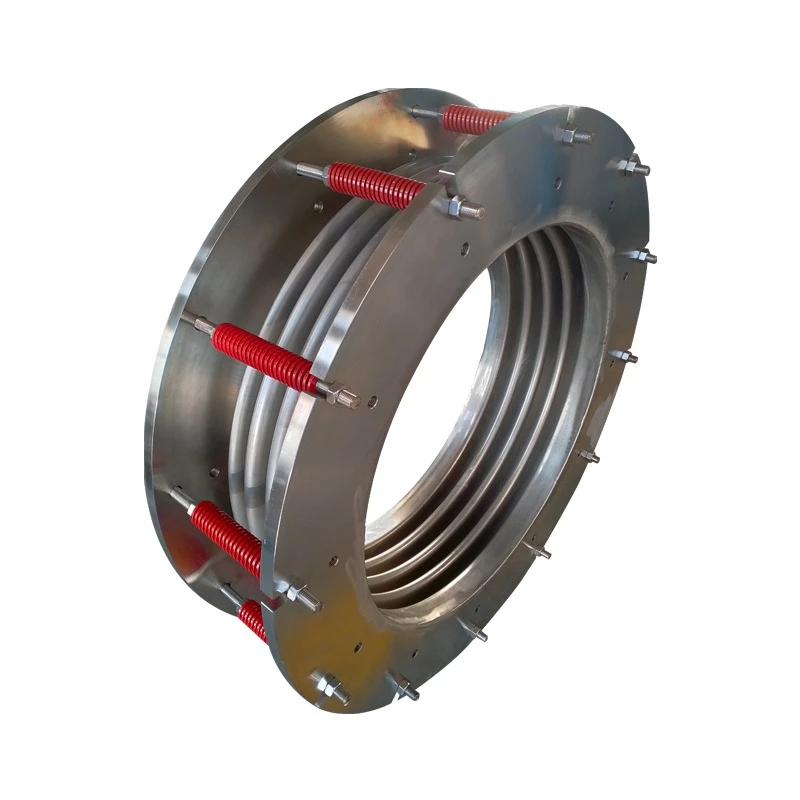
Before we discuss the impact of insulation, it's important to have a clear understanding of what Universal Metal Expansion Joints are and how they function. Universal Metal Expansion Joints are flexible connectors used in piping systems to absorb thermal expansion, contraction, vibration, and misalignment. They consist of one or more bellows elements made of metal, typically stainless steel, which can expand and contract to accommodate movement without putting excessive stress on the piping system. These joints are commonly used in industries such as power generation, chemical processing, oil and gas, and HVAC systems, where temperature fluctuations and mechanical movement are common.
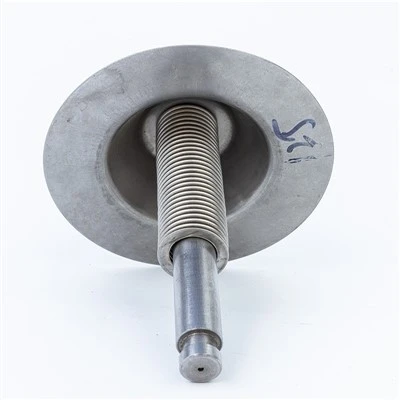
Universal Metal Expansion Joints come in various types, including Metal Angular Expansion Joint, Pressure Balanced Metal Expansion Joint, Gimbal Metal Expansion Joint, and Metal Lateral Expansion Joint. Each type is designed to handle specific types of movement and pressure conditions, making them versatile solutions for different applications.
The Role of Insulation in Universal Metal Expansion Joints
Insulation in Universal Metal Expansion Joints serves multiple purposes, each contributing to the overall performance and longevity of the joint. Here are some of the key roles of insulation:
Thermal Protection
One of the primary functions of insulation is to provide thermal protection to the Universal Metal Expansion Joint. In many industrial applications, the piping system may carry hot fluids or gases, which can cause the metal expansion joint to heat up. Without proper insulation, the high temperatures can lead to material degradation, reduced flexibility, and premature failure of the joint. Insulation helps to reduce the heat transfer from the hot fluid or gas to the expansion joint, keeping the temperature of the joint within acceptable limits and preventing thermal damage.
Energy Efficiency
Insulation also plays a vital role in improving the energy efficiency of the piping system. By reducing heat loss or gain, insulation helps to maintain the temperature of the fluid or gas within the pipes, minimizing the need for additional heating or cooling. This can result in significant energy savings, especially in large-scale industrial applications where energy consumption is a major cost factor. In addition, insulation can also help to prevent condensation on the surface of the expansion joint, which can lead to corrosion and other damage over time.
Vibration Damping
Another important function of insulation is to dampen vibrations in the piping system. Vibrations can be caused by various factors, such as fluid flow, mechanical equipment, or seismic activity. Excessive vibrations can put additional stress on the Universal Metal Expansion Joint, leading to fatigue failure or other damage. Insulation helps to absorb and dissipate the energy of the vibrations, reducing the stress on the joint and extending its service life.
Noise Reduction
Insulation can also help to reduce noise levels in the piping system. The flow of fluid or gas through the pipes can generate noise, especially at high velocities or pressures. Insulation helps to absorb and attenuate the sound waves, reducing the noise levels and creating a quieter working environment. This is particularly important in applications where noise pollution is a concern, such as in residential areas or hospitals.
Benefits of Insulating Universal Metal Expansion Joints
The benefits of insulating Universal Metal Expansion Joints are numerous and significant. Here are some of the key advantages:
Extended Service Life
By providing thermal protection, vibration damping, and noise reduction, insulation helps to extend the service life of the Universal Metal Expansion Joint. By reducing the stress on the joint and preventing damage, insulation can help to avoid costly repairs or replacements, saving both time and money in the long run.
Improved Performance
Insulation can also improve the performance of the Universal Metal Expansion Joint by reducing heat transfer, improving energy efficiency, and dampening vibrations. This can result in smoother operation of the piping system, reduced maintenance requirements, and improved overall productivity.
Enhanced Safety
Insulation helps to improve the safety of the piping system by preventing thermal burns and reducing the risk of fire. By keeping the temperature of the expansion joint within acceptable limits, insulation can also prevent the release of toxic gases or other hazardous materials in the event of a failure.
Compliance with Regulations
In many industries, there are strict regulations regarding the use of insulation in piping systems. By insulating Universal Metal Expansion Joints, you can ensure compliance with these regulations and avoid potential fines or penalties.
Considerations When Insulating Universal Metal Expansion Joints
While insulation offers numerous benefits for Universal Metal Expansion Joints, there are also some considerations that need to be taken into account. Here are some of the key factors to consider:
Temperature and Pressure
The temperature and pressure of the fluid or gas in the piping system are important factors to consider when selecting insulation for Universal Metal Expansion Joints. Different types of insulation have different temperature and pressure ratings, and it's important to choose an insulation material that can withstand the specific conditions of your application.
Chemical Compatibility
The chemical composition of the fluid or gas in the piping system can also affect the choice of insulation material. Some insulation materials may be incompatible with certain chemicals, which can lead to corrosion or other damage over time. It's important to choose an insulation material that is chemically compatible with the fluid or gas in your application.
Installation
Proper installation of insulation is crucial to ensure its effectiveness. The insulation should be installed tightly and securely around the expansion joint to prevent heat loss or gain. It's also important to ensure that the insulation does not interfere with the movement of the expansion joint or cause any additional stress on the joint.
Maintenance
Regular maintenance of the insulation is also important to ensure its continued effectiveness. The insulation should be inspected periodically for signs of damage or wear, and any damaged or worn insulation should be replaced promptly.
Potential Challenges of Insulating Universal Metal Expansion Joints
While insulation offers many benefits for Universal Metal Expansion Joints, there are also some potential challenges that need to be addressed. Here are some of the common challenges:
Moisture Ingress
Moisture ingress can be a significant problem when insulating Universal Metal Expansion Joints. If moisture is allowed to penetrate the insulation, it can lead to corrosion of the metal expansion joint, reduced insulation effectiveness, and other damage. To prevent moisture ingress, it's important to use a waterproof insulation material and to seal all joints and seams properly.
Thermal Cycling
Thermal cycling, or repeated heating and cooling, can also cause problems for insulated Universal Metal Expansion Joints. The expansion and contraction of the insulation material during thermal cycling can cause it to crack or separate, reducing its effectiveness. To minimize the impact of thermal cycling, it's important to choose an insulation material that has good thermal stability and to install it properly.
Inspection and Maintenance
Insulation can make it more difficult to inspect and maintain Universal Metal Expansion Joints. The insulation may need to be removed periodically to access the joint for inspection or maintenance, which can be time-consuming and costly. To minimize the impact of inspection and maintenance, it's important to design the insulation system to be easily removable and replaceable.
Conclusion
In conclusion, insulation plays a crucial role in the performance, durability, and overall efficiency of Universal Metal Expansion Joints. By providing thermal protection, energy efficiency, vibration damping, and noise reduction, insulation can help to extend the service life of the joint, improve its performance, and enhance the safety of the piping system. However, it's important to choose the right insulation material and to install it properly to ensure its effectiveness. As a leading supplier of Universal Metal Expansion Joints, we have the expertise and experience to help you select the right insulation solution for your specific application. If you have any questions or need further information, please don't hesitate to [contact us for procurement and negotiation]. We look forward to working with you to meet your expansion joint needs.
References
- ASME Boiler and Pressure Vessel Code, Section VIII, Division 1 (Design, Fabrication, and Inspection of Pressure Vessels)
- ASTM Standards for Insulation Materials
- Manufacturers' Literature on Universal Metal Expansion Joints and Insulation Materials