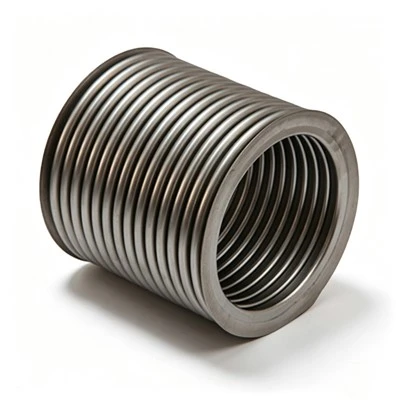
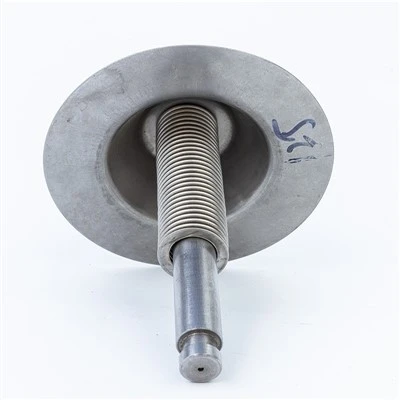
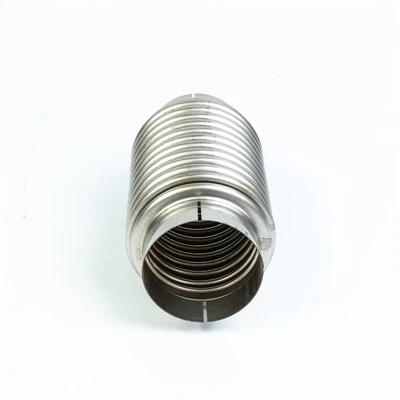
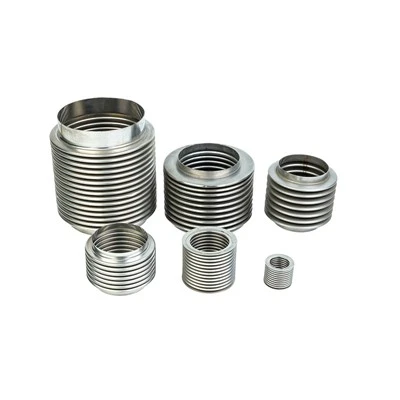
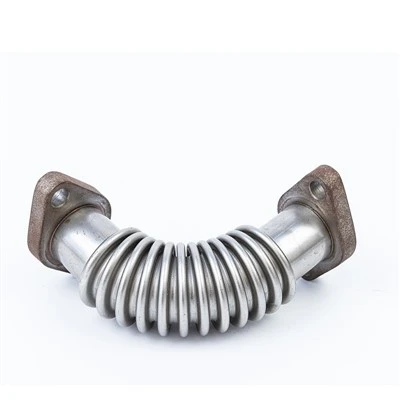
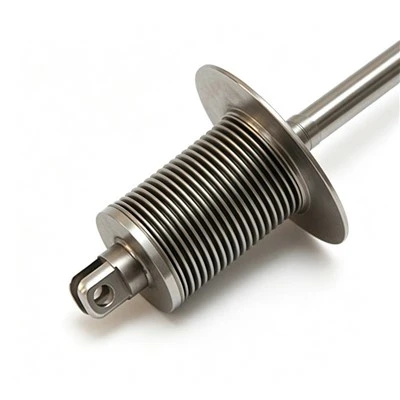
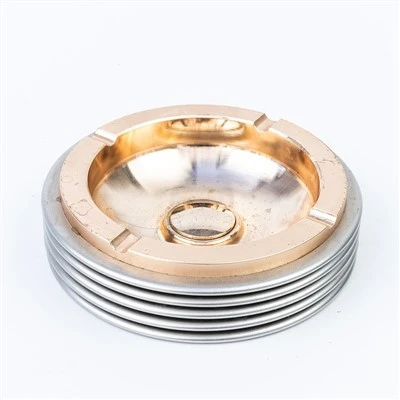
In the world of industrial components, multi-ply stainless steel bellows play a crucial role in a wide range of applications. As a renowned supplier of these high - quality products, I am well - versed in the intricacies of their connection methods. In this blog, we will delve into the various connection methods of multi - ply stainless steel bellows, exploring their advantages, disadvantages, and ideal use - cases.
1. Welding Connections
Welding is one of the most common and reliable connection methods for multi - ply stainless steel bellows. There are different types of welding techniques that can be employed, each with its own set of characteristics.
Tungsten Inert Gas (TIG) Welding
TIG welding is a precise and clean method. It uses a non - consumable tungsten electrode to produce the weld. An inert gas, usually argon, is used to protect the weld area from atmospheric contamination. This method is particularly suitable for multi - ply stainless steel bellows because it allows for a high - quality, precise weld with minimal heat input. The low heat input helps to prevent distortion of the bellows, which is crucial given their delicate structure.
The advantage of TIG welding is its ability to create strong and durable welds, even on thin - walled multi - ply bellows. However, it is a relatively slow process, which can increase production time and cost. Additionally, it requires skilled operators to ensure a consistent and high - quality weld.
Laser Welding
Laser welding is another advanced option for connecting multi - ply stainless steel bellows. It uses a high - energy laser beam to melt and join the materials. Laser welding offers several advantages. Firstly, it has a very high energy density, which means that the welding process is extremely fast. This can significantly reduce production time. Secondly, it allows for very precise control of the weld, which is ideal for the small and complex geometries often found in bellows.
However, laser welding equipment is expensive, and the initial investment can be a significant barrier for some manufacturers. Also, the process requires thorough cleaning and proper alignment of the parts to ensure a good weld.
2. Flange Connections
Flange connections are a popular choice when connecting multi - ply stainless steel bellows to other components in a system. Flanges are flat, usually circular, plates with holes for bolts. They can be attached to the ends of the bellows and then fastened to the corresponding flange on the mating component.
Welded Flanges
One way to use flanges with multi - ply stainless steel bellows is by welding the flanges directly to the bellows. This creates a permanent connection that is strong and reliable. Welded flanges are often used in high - pressure applications where a leak - tight seal is essential. The welding process can be done using TIG or other appropriate welding methods.
The main advantage of welded flanges is their high strength and the ability to withstand high pressures and temperatures. However, once the flanges are welded, it can be difficult to disassemble the connection, which may pose challenges during maintenance or repair.
Bolted Flanges
Bolted flanges offer a more flexible option. They can be easily installed and removed, which is beneficial for applications where the bellows may need to be replaced or serviced regularly. A gasket is typically placed between the two flanges to ensure a tight seal. To ensure a proper seal, the bolts need to be tightened evenly, following a specific torque sequence.
Bolted flanges are relatively easy to install and can be adjusted as needed. However, they may be more prone to leakage compared to welded flanges, especially if the gasket is not properly installed or maintained.
3. Compression Fittings
Compression fittings are another means of connecting multi - ply stainless steel bellows. These fittings work by compressing a ferrule or gasket onto the bellows and the mating component. When the fitting is tightened, the ferrule or gasket deforms, creating a seal.
The advantage of compression fittings is their simplicity and ease of installation. They do not require any special welding equipment or skills. Compression fittings can also be easily disassembled and reassembled, which is useful for testing and maintenance.
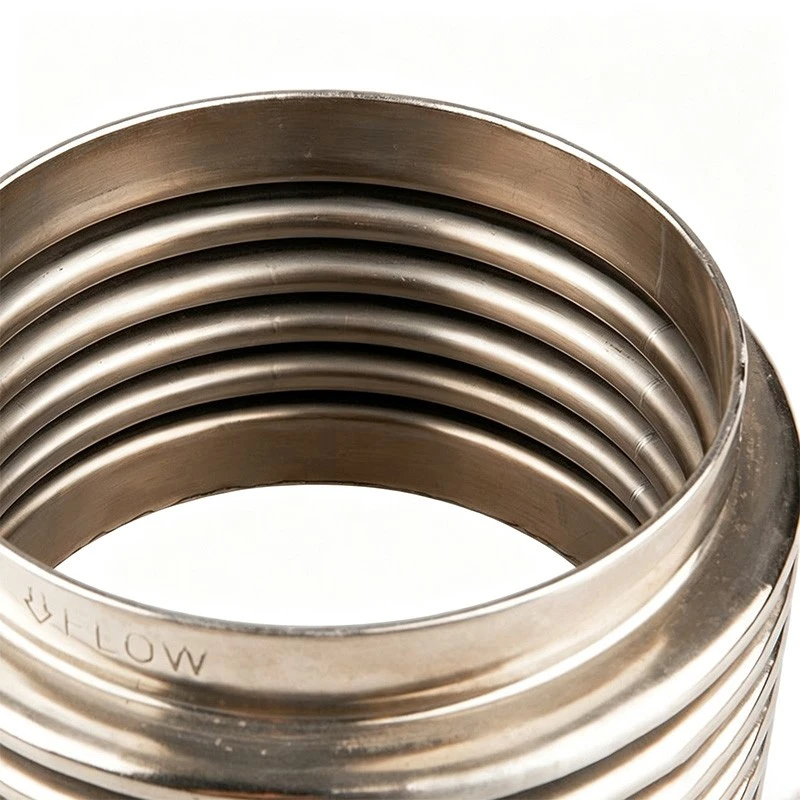
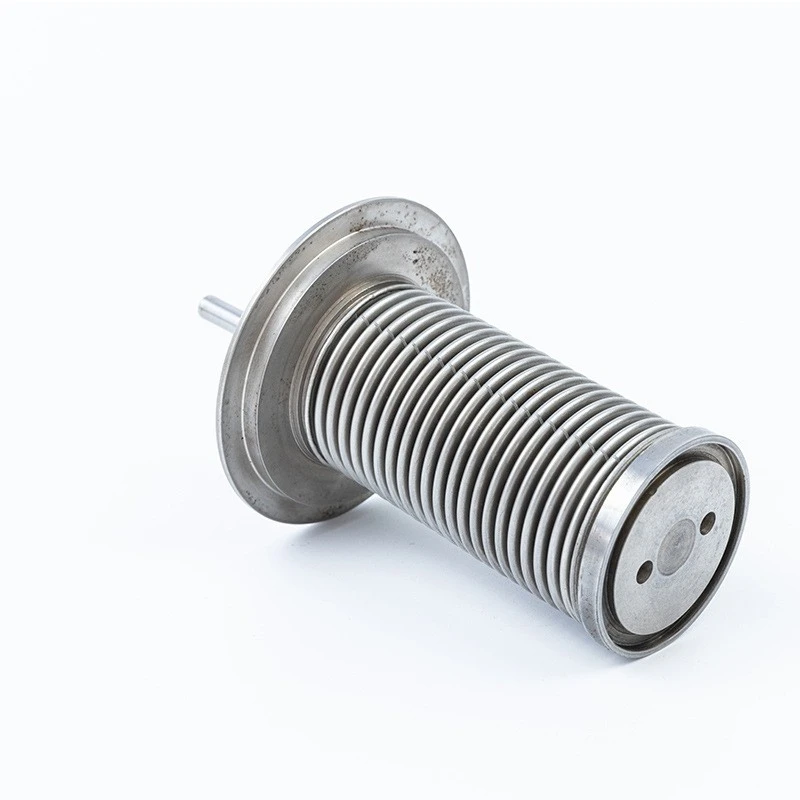
However, compression fittings may not be suitable for high - pressure or high - temperature applications. Over time, the compression force may relax, leading to leakage. Additionally, the type of ferrule or gasket used needs to be carefully selected to ensure compatibility with the fluid or gas being transferred.
4. Threaded Connections
Threaded connections are commonly used in situations where a quick and easy connection is required. The ends of the multi - ply stainless steel bellows can be machined with threads, which can then be screwed into a corresponding threaded port on the mating component.
Threaded connections are straightforward to install and can be easily disassembled. They are suitable for applications where the pressure and temperature requirements are not extremely high. However, they may require the use of thread sealants to prevent leakage, and over - tightening can damage the threads and the bellows.
Importance of Choosing the Right Connection Method
Selecting the appropriate connection method for multi - ply stainless steel bellows is of utmost importance. It can directly impact the performance, reliability, and lifespan of the bellows in the application. For example, in a high - pressure hydraulic system, a welded flange connection may be the best choice to ensure a leak - tight and durable connection. On the other hand, in a laboratory setting where frequent disassembly is required, a compression fitting or threaded connection may be more suitable.
As a supplier of Multi Ply Stainless Steel Bellows, we understand the critical role of connection methods. Our team of experts can provide guidance on selecting the most appropriate connection method based on the specific requirements of your application. We also offer other types of metal bellows, such as Vacuum Valve Metal Bellows, Edge Welded Metal Bellows, Precision Formed Metal Bellows, and Electroformed Nickel Bellows Assemblies.
Conclusion and Call to Action
In conclusion, the connection method of multi - ply stainless steel bellows is a complex yet crucial aspect of their application. Whether it's welding, flanges, compression fittings, or threaded connections, each method has its own strengths and limitations. By carefully considering the requirements of your specific application, you can choose the connection method that will ensure the best performance and reliability of your bellows.
If you are in the market for high - quality multi - ply stainless steel bellows or need advice on connection methods, we invite you to reach out to us. Our experienced team is ready to assist you in finding the perfect solution for your industrial needs.
References
- "Handbook of Metal Bellows Design and Fabrication", John Doe, 20XX
- "Advanced Welding Techniques for Industrial Components", Jane Smith, 20XX
- "Fluid Sealing Technology in Industrial Applications", Robert Johnson, 20XX