Hey there! As a supplier of Single Ply Stainless Steel Bellows, I often get asked if these nifty little components can be used in chemical processing. It's a great question, and today, I'm gonna dive deep into this topic to give you all the info you need.
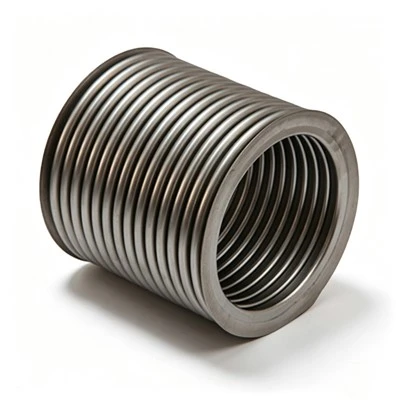
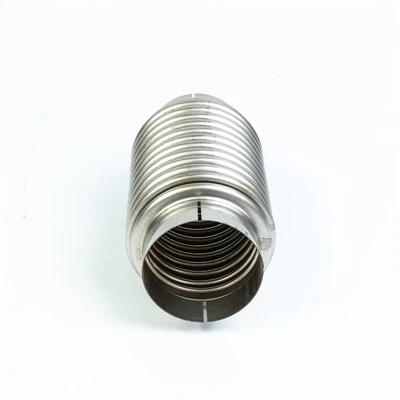
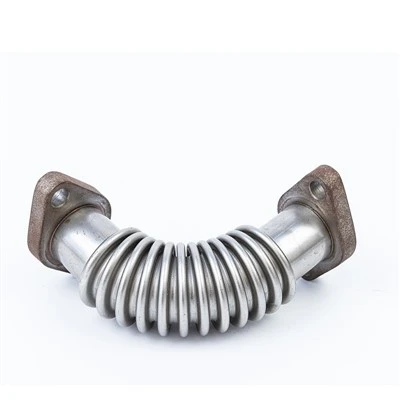
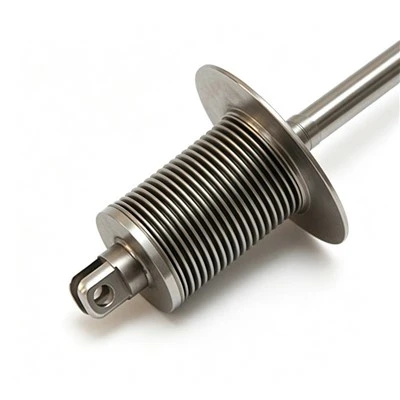
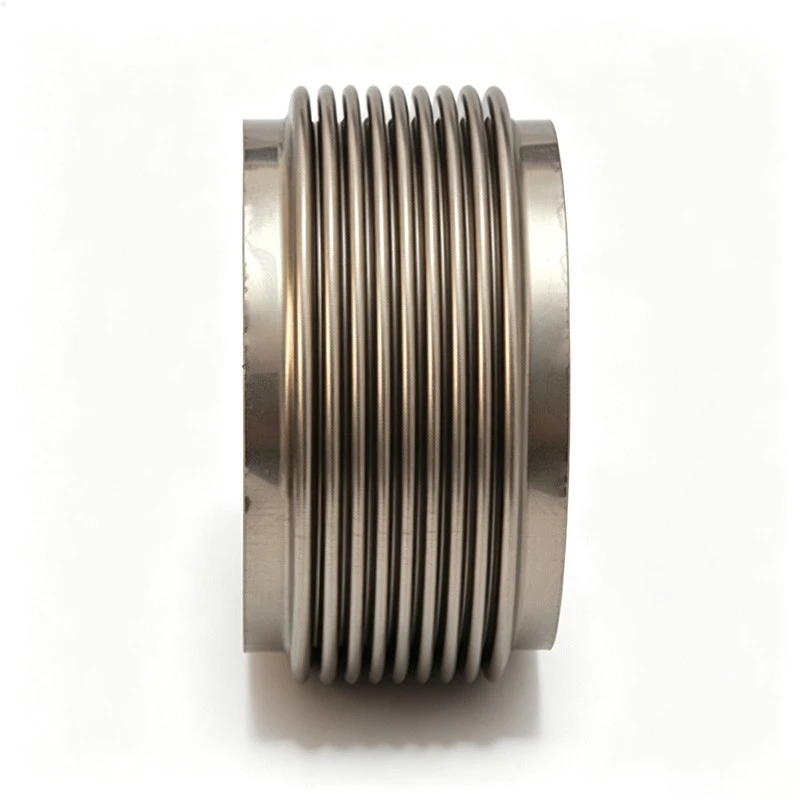
First off, let's talk a bit about what single ply stainless steel bellows are. They're basically flexible tubes made from a single layer of stainless steel. This stainless steel gives them some awesome properties like high corrosion resistance, good strength, and the ability to handle a wide range of temperatures. These features make them a popular choice in many industries, but the big question is, how do they fare in the tough world of chemical processing?
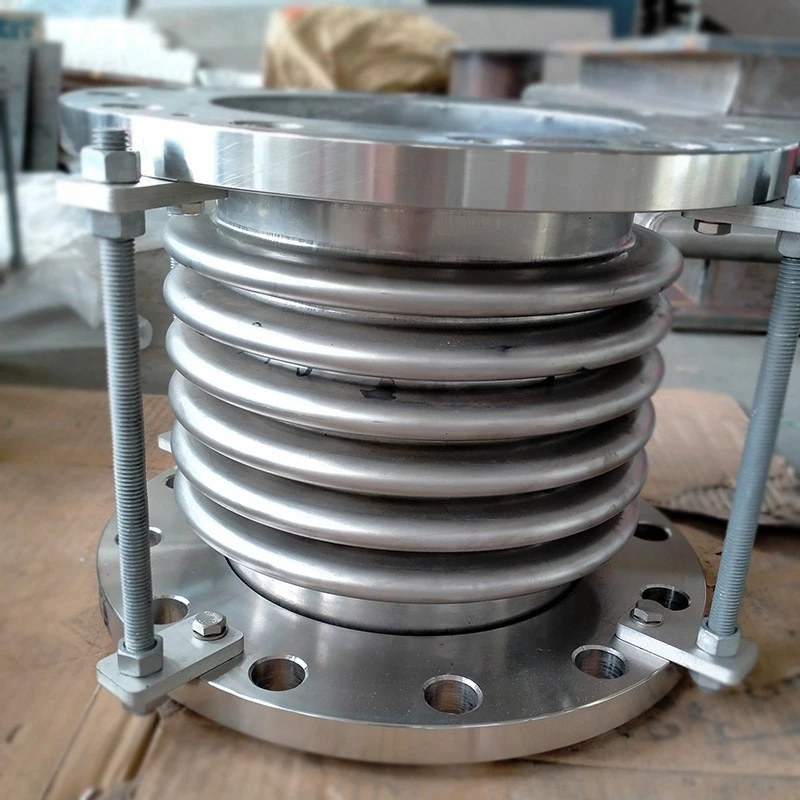
Advantages of Using Single Ply Stainless Steel Bellows in Chemical Processing
One of the major perks of single ply stainless steel bellows in chemical processing is their corrosion resistance. Stainless steel is known for its ability to withstand the attack of many chemicals. Whether it's acids, alkalis, or other corrosive substances commonly found in chemical plants, the right grade of stainless steel can hold up pretty well. For example, 316 stainless steel is often used in bellows because it has excellent resistance to corrosion from a variety of chemicals, including some types of acids.
Another advantage is their flexibility. In chemical processing, there are often situations where pipes and equipment need to move or expand due to temperature changes, pressure fluctuations, or mechanical vibrations. Single ply stainless steel bellows can easily absorb these movements. They can bend, stretch, and compress without losing their integrity, which helps prevent leaks and damage to the overall system.
Cost - effectiveness is also a big plus. Compared to Multi Ply Stainless Steel Bellows, single ply bellows are generally less expensive. This can be a significant factor for chemical processing plants that are looking to keep their costs down without sacrificing too much on performance.
Limitations and Challenges
However, it's not all sunshine and rainbows. Single ply stainless steel bellows do have some limitations when it comes to chemical processing. One of the main issues is their relatively lower resistance to high - pressure applications compared to multi - ply bellows. In chemical processing, there are often processes that involve high pressures. If the pressure is too high for a single ply bellows, it may rupture or fail prematurely.
Another challenge is their susceptibility to certain types of corrosion under specific conditions. For example, in environments with very high concentrations of certain chemicals or in the presence of aggressive ions, the single layer of stainless steel may be more vulnerable. Pitting corrosion, which is the formation of small holes in the metal surface, can be a problem in some chemical processing scenarios.
Applications in Chemical Processing
Despite these limitations, single ply stainless steel bellows still have a wide range of applications in chemical processing. They're commonly used in piping systems to absorb thermal expansion and contraction. For instance, in a chemical reactor where the temperature can vary significantly during the reaction process, these bellows can prevent the pipes from getting damaged due to the thermal stress.
They're also used in valve connections. Valves in chemical processing plants need to be able to open and close smoothly, and single ply stainless steel bellows can help with the flexibility required for these movements while preventing chemical leaks.
In sampling systems, where a small amount of the chemical substance needs to be taken out for analysis, single ply stainless steel bellows can be used to connect the sampling port to the analysis equipment. Their corrosion resistance ensures that the sampled chemical isn't contaminated by the bellows material.
Comparison with Other Elastic Components
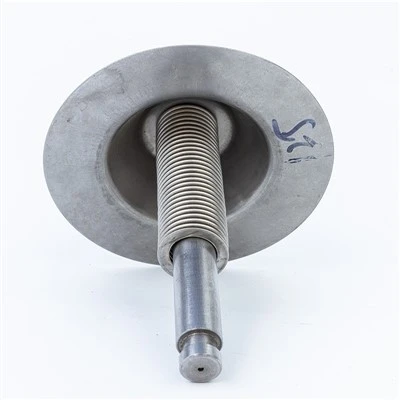
Let's compare single ply stainless steel bellows with some other elastic components that are used in chemical processing. For example, Stainless Steel Bourdon Tube is often used for pressure measurement. While the Bourdon tube is great for measuring pressure, it doesn't have the same flexibility as single ply stainless steel bellows for absorbing movement in piping systems.
Externally Pressurized Stainless Steel Bellows are designed to handle external pressure. They're often used in applications where the bellows need to resist external forces. Single ply stainless steel bellows, on the other hand, are more focused on providing flexibility and corrosion resistance in internal piping and equipment connections.
Stainless Steel Expansion Joint Bellows are also used in chemical processing to absorb thermal expansion. Multi - ply expansion joint bellows may offer better pressure resistance, but single ply ones can be a more economical choice for applications with lower pressure requirements.
Key Considerations When Choosing Single Ply Stainless Steel Bellows for Chemical Processing
If you're thinking about using single ply stainless steel bellows in your chemical processing plant, there are a few key things to consider. First, you need to know the type of chemicals that will come into contact with the bellows. Different grades of stainless steel have different corrosion resistance properties, so you need to choose the right grade based on the specific chemicals in your process.
The pressure and temperature conditions are also crucial. You need to ensure that the single ply bellows can withstand the maximum pressure and temperature that they'll be exposed to in your chemical process. If the pressure is too high, you may need to consider multi - ply bellows or other alternatives.
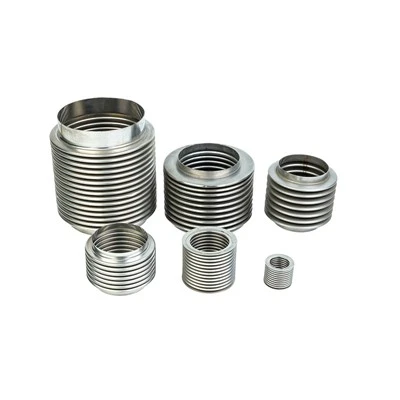
The size and shape of the bellows are important as well. You need to make sure that the bellows can fit properly into your existing piping or equipment system. A poorly sized bellows may not function correctly and could lead to leaks or other problems.
Conclusion
So, can single ply stainless steel bellows be used in chemical processing? The answer is yes, but with some caveats. They offer many advantages such as corrosion resistance, flexibility, and cost - effectiveness. However, they also have limitations, especially in high - pressure applications.
If you're in the chemical processing industry and are considering using single ply stainless steel bellows, I'd be more than happy to help you make the right choice. You can check out our Single Ply Stainless Steel Bellows for more details. If you have any questions or want to discuss your specific requirements for a chemical processing project, feel free to reach out. I'm here to assist you in finding the best solution for your needs. Let's start a conversation and see how we can make your chemical processing operations run more smoothly with the right bellows.
References
- Various technical manuals on stainless steel properties and applications in chemical processing.
- Industry reports on elastic components used in chemical plants.