Can a stainless steel Bourdon tube be used in a high - radiation environment?
Hey there! I'm a supplier of Stainless Steel Bourdon Tube. You might be wondering if these tubes can withstand high - radiation environments, and in this blog, I'm gonna share everything I know about it.
First off, let's understand what a stainless steel Bourdon tube is. It's a crucial component in pressure - measuring instruments. When pressure is applied, the tube's curved shape changes, and this mechanical movement is then translated into a readable pressure value. It's made of stainless steel, which offers great corrosion resistance, durability, and strength.
Now, high - radiation environments are no joke. Think nuclear power plants, research facilities dealing with radioactive materials, or even some space applications. In these places, radiation can cause all sorts of problems for materials. There are different types of radiation, like alpha, beta, and gamma rays, each with its own characteristics and effects on materials.
Effects of Radiation on Stainless Steel
Radiation can have several impacts on stainless steel. One of the main issues is radiation - induced embrittlement. Over time, high - energy radiation can displace atoms in the stainless steel's crystal structure. These displaced atoms create vacancies and interstitial defects, which can lead to a reduction in the material's ductility. In simpler terms, the steel becomes more brittle and is more likely to crack under stress.
Another effect is radiation - assisted corrosion. Radiation can break down water molecules in the surrounding environment, creating highly reactive species like hydroxyl radicals. These radicals can accelerate the corrosion process of the stainless steel, even though it's generally corrosion - resistant.
Performance of Stainless Steel Bourdon Tubes in High - Radiation
When it comes to stainless steel Bourdon tubes in high - radiation environments, the situation is a bit complex. On one hand, stainless steel has some inherent properties that give it an edge. For example, its dense crystal structure can initially absorb and scatter some of the radiation energy, protecting the inner parts of the tube to some extent.
However, as mentioned earlier, the long - term effects of radiation can't be ignored. The embrittlement and corrosion can affect the tube's performance. If the tube becomes too brittle, it might not be able to accurately measure pressure due to cracking or deformation. And corrosion can change the tube's dimensions and mechanical properties, leading to inaccurate pressure readings.
But it's not all doom and gloom. There are ways to mitigate these issues. One approach is to use a higher - grade stainless steel. Some specialized stainless steels are designed to be more resistant to radiation - induced damage. These steels have a different alloy composition that can better withstand the effects of radiation.
Another option is to use shielding. By placing a radiation - shielding material around the Bourdon tube, we can reduce the amount of radiation that reaches the tube. This can significantly extend the tube's lifespan and maintain its performance in a high - radiation environment.
Comparing with other Stainless Steel Components
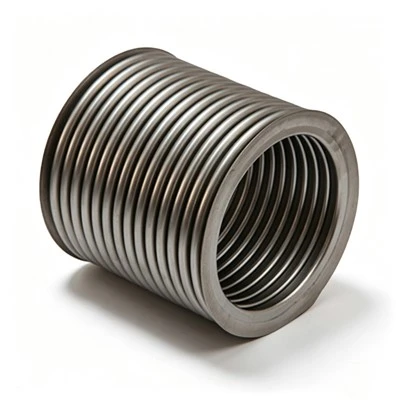
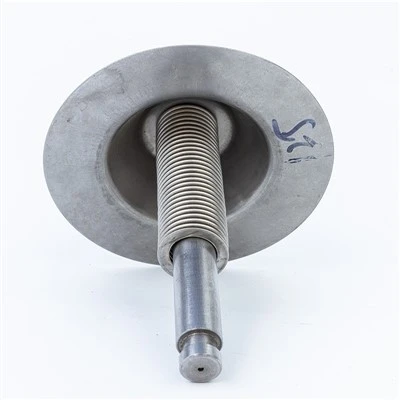
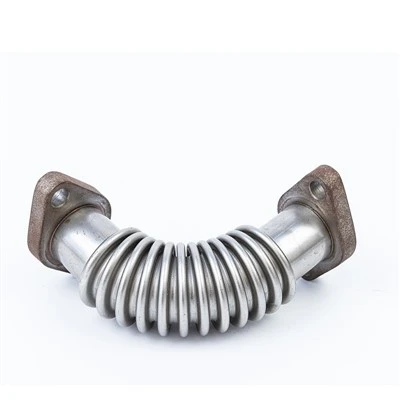
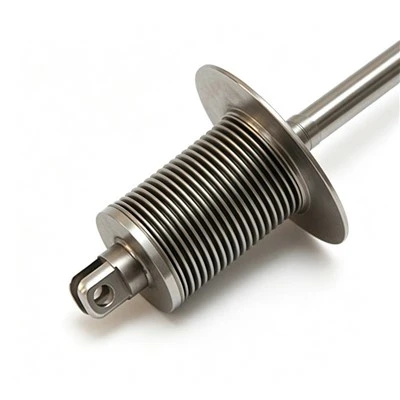
Let's take a look at how stainless steel Bourdon tubes compare to other stainless steel components in high - radiation environments. For example, Externally Pressurized Stainless Steel Bellows are used in applications where flexibility and pressure - compensation are required. Similar to Bourdon tubes, they can also be affected by radiation - induced embrittlement and corrosion.
However, the bellows' design, with its multiple layers and convolutions, can sometimes provide additional protection against radiation damage. The layers can act as a barrier, and the convolutions can absorb some of the stress caused by radiation - induced changes in the material.
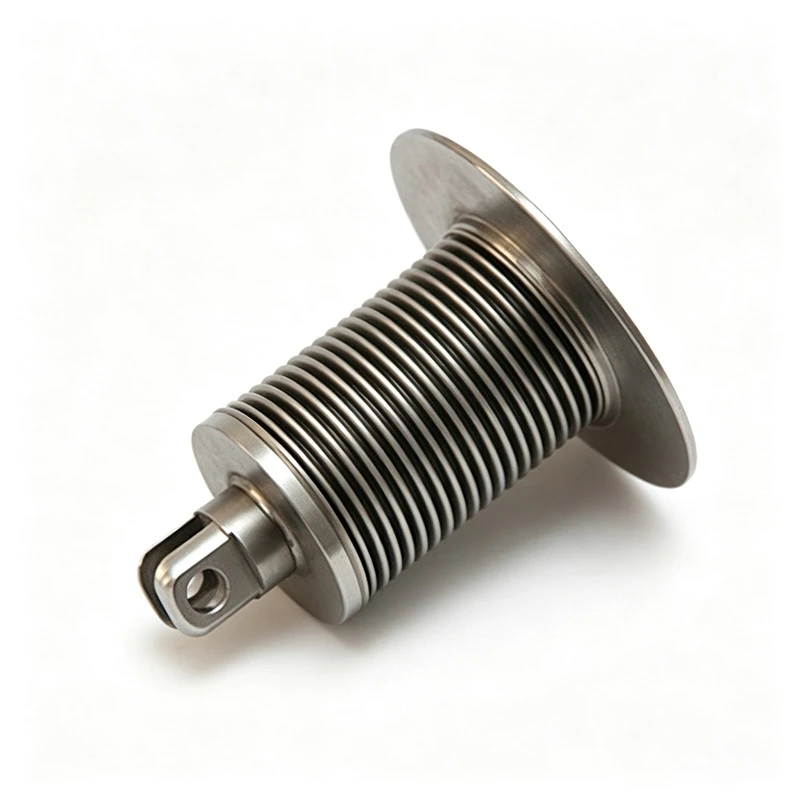
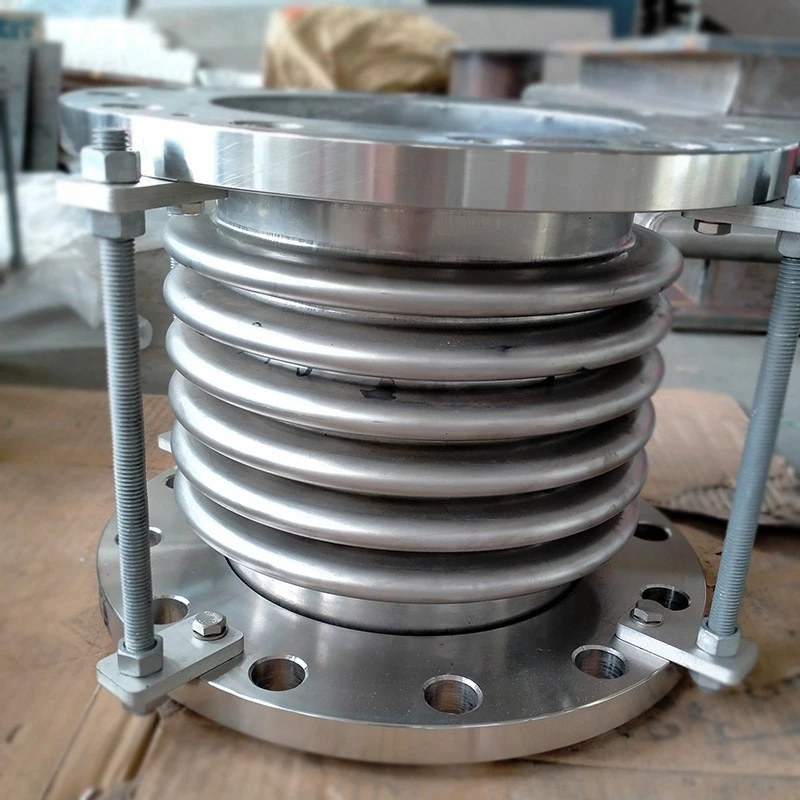
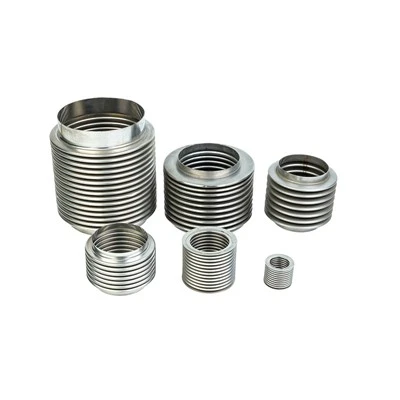
Multi Ply Stainless Steel Bellows are another option. These bellows are made up of multiple thin layers of stainless steel. The multi - ply design can enhance the bellows' resistance to radiation. Each layer can absorb and disperse radiation energy, reducing the overall impact on the bellows.
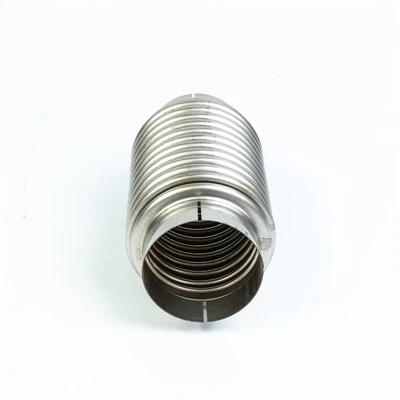
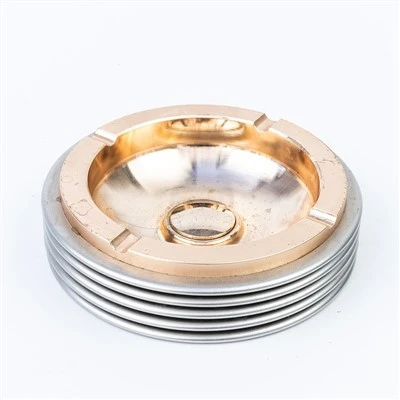
Stainless Steel Expansion Joint Bellows are used to absorb thermal expansion and contraction in pipes and systems. In high - radiation environments, they face similar challenges as Bourdon tubes and bellows. But their ability to move and accommodate changes can sometimes help them tolerate the effects of radiation - induced dimensional changes better.
Finally, Stainless Steel Bellows Element are often used in a variety of precision applications. These elements can also be susceptible to radiation damage, but proper design and material selection can improve their performance in high - radiation settings.
Making the Decision
So, can a stainless steel Bourdon tube be used in a high - radiation environment? The answer is yes, but with some considerations. You need to assess the level and type of radiation in the specific environment. If the radiation levels are relatively low, a standard stainless steel Bourdon tube might work fine after proper testing.
For high - radiation areas, you'll probably want to go for a specialized stainless steel or use shielding. And it's always a good idea to work with an experienced supplier who can provide guidance on selection and maintenance.
If you're in the market for stainless steel components, especially Bourdon tubes, and are dealing with a high - radiation environment, don't hesitate to reach out. We can have a detailed discussion about your requirements, and I can help you choose the best solution for your application. Whether it's a stainless steel Bourdon tube or other components like bellows, we've got you covered.
References
- ASM Handbook Volume 11: Failure Analysis and Prevention.
- Radiation Effects in Materials: An Introduction by R.E. Stoller.
- Stainless Steel Handbook by L. Lula.