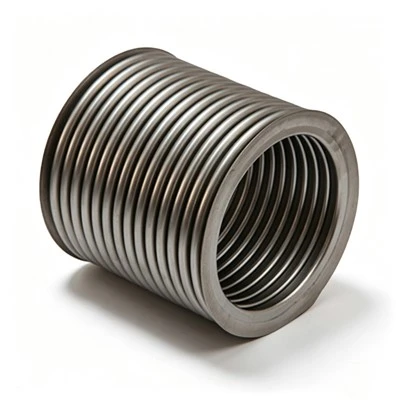
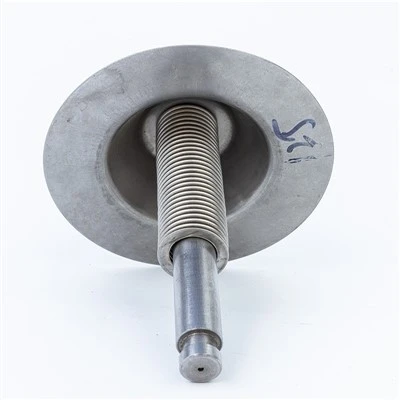
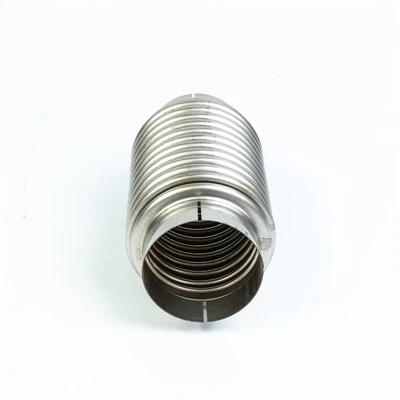
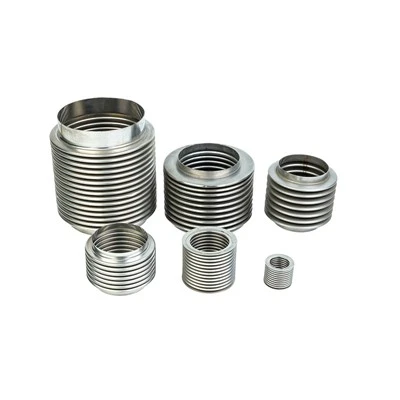
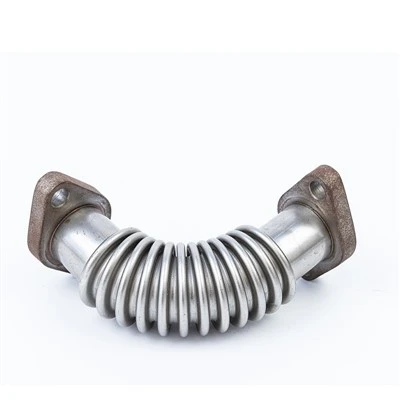
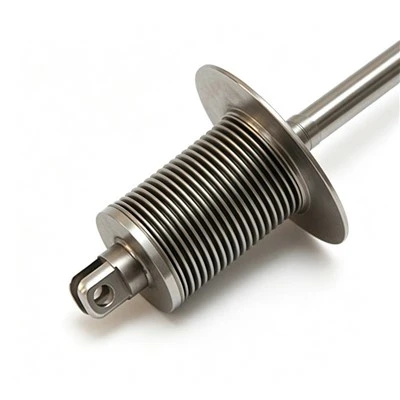
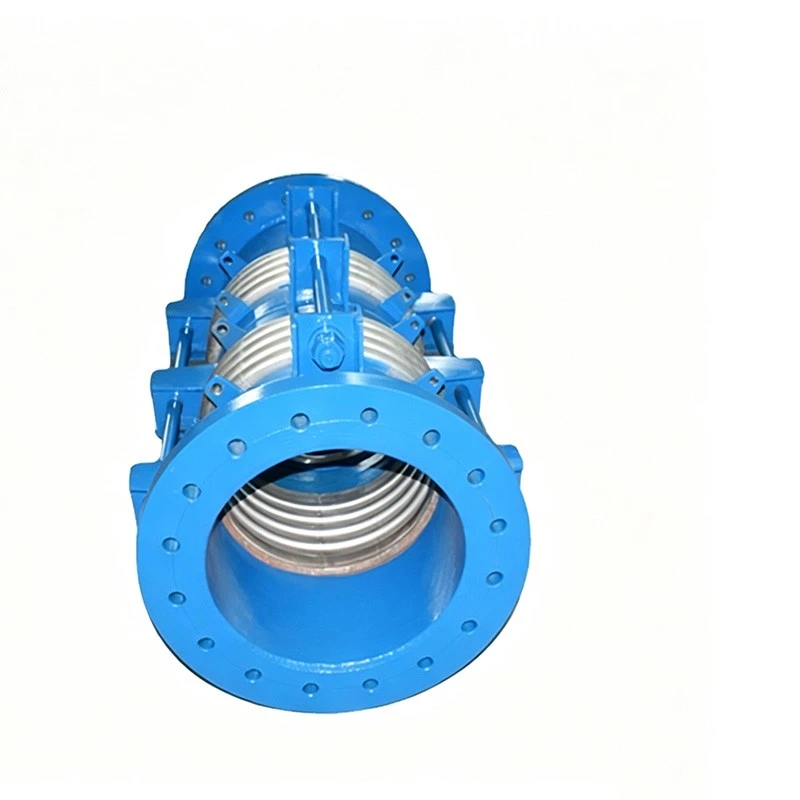
As a supplier of Gimbal Metal Expansion Joints, I’ve seen firsthand how wear and tear can take a toll on these crucial components. In industrial settings, Gimbal Metal Expansion Joints help absorb movement and vibration in piping systems, but over time, factors like friction, corrosion, and the flow of abrasive materials can lead to wear. This not only shortens the lifespan of the joints but also poses risks to the entire system. So, how can we enhance the wear resistance of a Gimbal Metal Expansion Joint? Let’s dive in.
1. Material Selection
The first step in enhancing wear resistance starts with choosing the right materials. High - quality metals are a must. Stainless steel is a popular choice due to its excellent corrosion resistance and relatively good wear properties. For example, 316 stainless steel contains molybdenum, which gives it better resistance to pitting and crevice corrosion, essential in environments where the expansion joint may be exposed to corrosive fluids.
In some cases, nickel - based alloys can be a great option. Alloys like Inconel 625 have high strength and excellent oxidation and corrosion resistance at high temperatures. They can withstand harsh environments with abrasive particles and high - velocity fluid flow. When you're looking at different materials, it's important to consider the specific conditions your expansion joint will face. If it's in a chemical processing plant with highly corrosive substances, a nickel - based alloy might be the way to go. But if it's in a more general industrial setting, stainless steel could be sufficient.
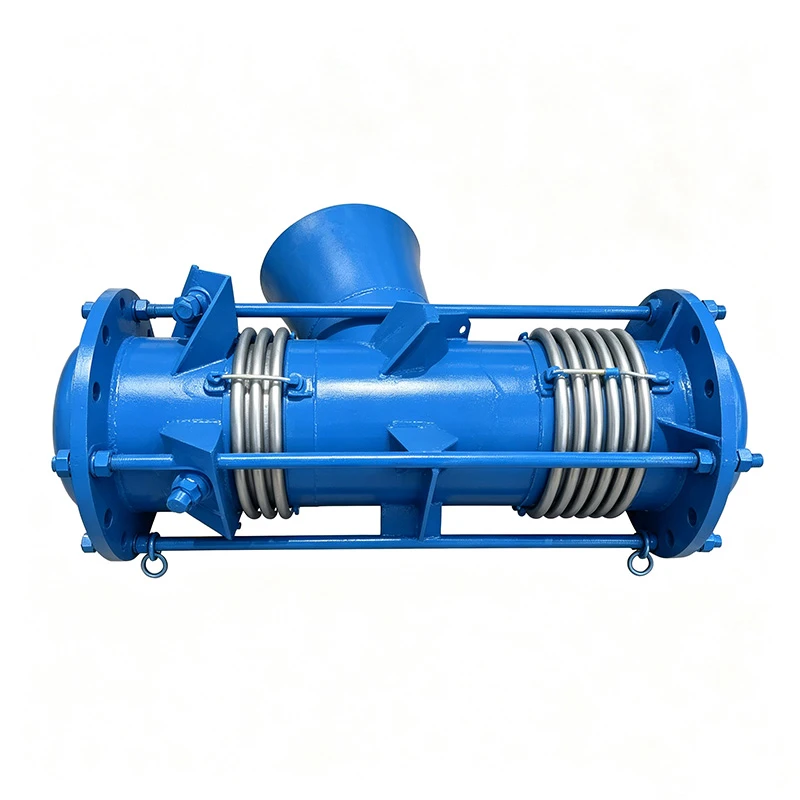
2. Surface Treatment
Surface treatment is another effective way to boost wear resistance. One common method is hardening the surface. Heat treatment, such as quenching and tempering, can increase the hardness of the metal. When the surface is harder, it can better resist the scratching and abrasion caused by particles in the fluid or the movement of the joint itself.
Coating is also a great option. Ceramic coatings, for example, can provide a hard and smooth surface that reduces friction and wear. These coatings can be applied to the bellows and other critical parts of the Gimbal Metal Expansion Joint. Another type of coating is a polymer coating. Polymer coatings can act as a barrier against corrosion and also reduce friction. They're often used in applications where the expansion joint is exposed to a combination of corrosive substances and abrasive materials.
3. Design Optimization
The design of the Gimbal Metal Expansion Joint plays a huge role in its wear resistance. For starters, the shape of the bellows is crucial. A well - designed bellows should have a smooth contour to minimize turbulence and the accumulation of abrasive particles. A bellows with a large radius of curvature is generally better as it reduces stress concentrations and the likelihood of wear.
The number of convolutions in the bellows also matters. Fewer convolutions can sometimes lead to higher stress per convolution, increasing the wear rate. So, finding the right balance in the number of convolutions based on the application's requirements is essential. Additionally, the design of the gimbal system should ensure even distribution of forces. Uneven forces can cause some parts of the joint to wear out faster than others.
4. Maintenance and Inspection
Regular maintenance and inspection are vital for ensuring the long - term wear resistance of a Gimbal Metal Expansion Joint. Inspect the joints for signs of wear, corrosion, or damage on a regular basis. Look for things like thinning of the bellows, cracks, or signs of loosening in the gimbal connections.
If you notice any signs of wear, take action immediately. This could involve replacing worn - out parts, tightening loose connections, or applying additional coatings if necessary. Also, keep the expansion joints clean. Remove any debris or abrasive particles that may have accumulated on the surface. This simple step can significantly reduce the wear on the joint.
5. Compatibility with the System
The Gimbal Metal Expansion Joint must be compatible with the rest of the system. This includes the fluid flowing through the pipes, the temperature, and the pressure. For example, if the fluid contains a high concentration of abrasive particles, the expansion joint should be designed to handle that. You might need to use a more wear - resistant material or a protective coating.
Temperature is another important factor. High temperatures can cause the metal to expand and contract, which can increase wear. Make sure the expansion joint is rated for the temperature range it will be exposed to. If the temperature is too high for the standard joint, you may need to use a special high - temperature material or a design that can accommodate the thermal expansion and contraction.
Related Products
We also offer a variety of other expansion joints, such as Metal Axial Expansion Joint, Hinged Metal Expansion Joint, Pressure Balanced Metal Expansion Joint, Metal Lateral Expansion Joint, and Externally Pressurized Metal Expansion Joint. These products can provide solutions for different types of piping system requirements.
Conclusion
Enhancing the wear resistance of a Gimbal Metal Expansion Joint involves a combination of proper material selection, surface treatment, design optimization, regular maintenance, and ensuring compatibility with the system. By paying attention to these aspects, you can significantly extend the lifespan of the expansion joint and reduce the risk of system failures.
If you're in the market for high - quality Gimbal Metal Expansion Joints or have questions about improving their wear resistance, feel free to contact us. We're here to help you find the best solutions for your specific needs.
References
- "Handbook of Materials Selection" by Carl A. Smithells
- "Mechanical Design of Machine Elements and Machines: A Failure Prevention Perspective" by Jack A. Collins