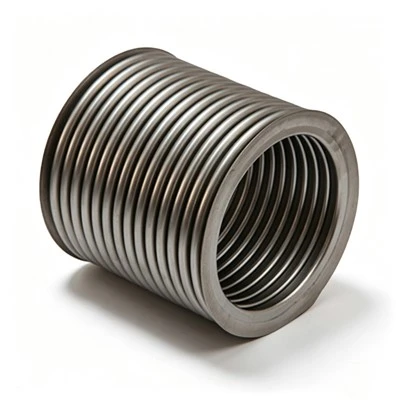
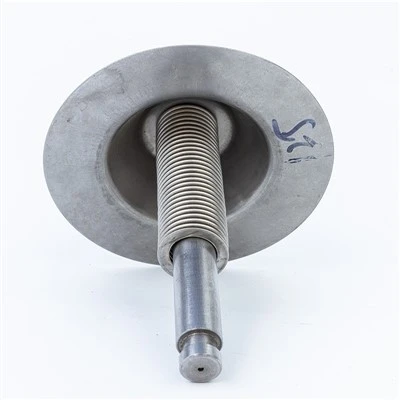
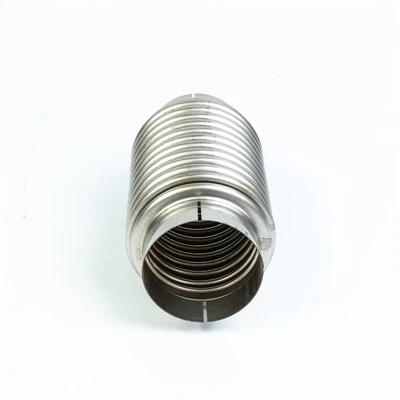
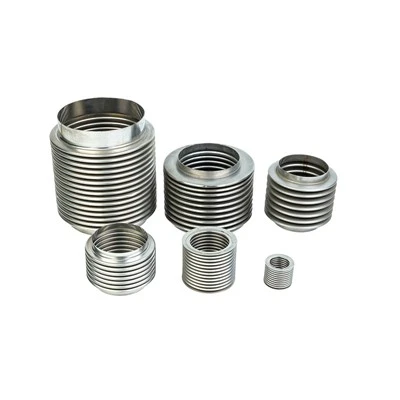
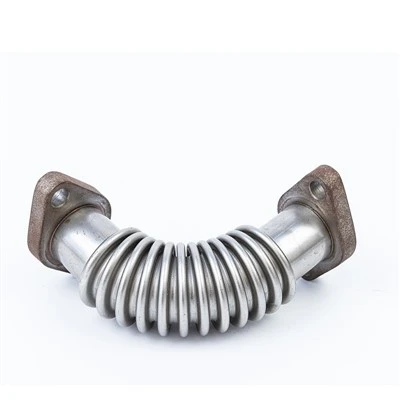
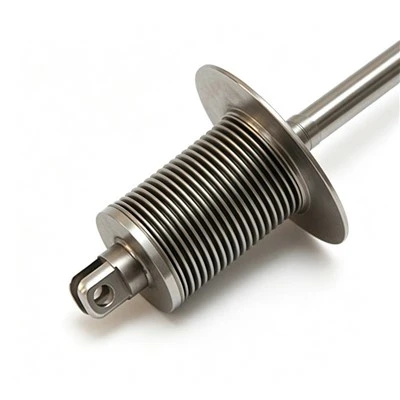
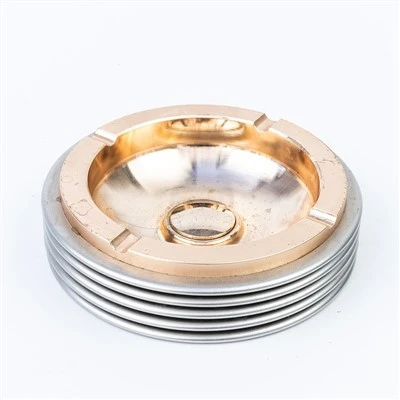
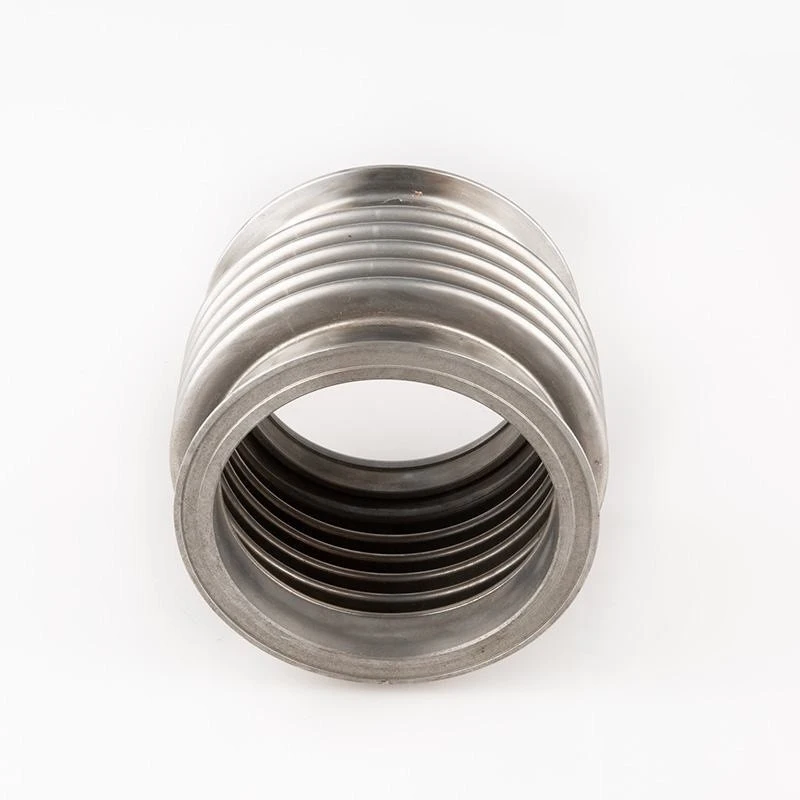
Metal bellows are a type of flexible, convoluted device that can expand and contract under pressure. They are typically made from a variety of metals, including stainless steel, nickel, and copper, and are used in a wide range of industrial applications. As a leading supplier of metal bellows, I have seen firsthand the diverse and innovative ways in which these components are used. In this blog post, I will explore some of the most common applications of metal bellows.
1. Aerospace Industry
In the aerospace industry, precision is of the essence, and metal bellows play a crucial role in many systems. For instance, in fuel systems, metal bellows are used to compensate for thermal expansion and contraction of fuel lines. As the temperature of the fuel changes during flight, the bellows can expand or contract to maintain the integrity of the fuel delivery system. This helps prevent leaks and ensures a consistent supply of fuel to the engines.
Another important application in aerospace is in hydraulic systems. Metal bellows are used as accumulators, which store and release hydraulic energy. They can absorb pressure fluctuations in the hydraulic system, protecting other components from damage and ensuring smooth operation. Precision Formed Metal Bellows are often used in these applications due to their high dimensional accuracy and reliability.
2. Medical Equipment
In the medical field, metal bellows are used in a variety of devices. For example, in ventilators, bellows are used to control the flow of air to the patient. They can expand and contract to create the necessary pressure differences for inhaling and exhaling. The ability of metal bellows to provide precise and reliable motion control is essential in ensuring the safety and effectiveness of ventilators.
Additionally, in infusion pumps, metal bellows are used to regulate the flow rate of medications or fluids. By controlling the expansion and contraction of the bellows, the pump can deliver a consistent and accurate dose of the substance to the patient. Electroformed Nickel Bellows Assemblies are particularly suitable for medical applications due to their smooth surfaces and biocompatibility.
3. Semiconductor Manufacturing
Semiconductor manufacturing requires a highly controlled environment with precise temperature, pressure, and gas flow conditions. Metal bellows are used in several aspects of this process. In vacuum chambers, Vacuum Valve Metal Bellows are used to control the flow of gases and maintain the desired vacuum level. They can seal the valves tightly and allow for precise adjustment of the gas flow rate.
Moreover, in semiconductor processing equipment, metal bellows are used to compensate for thermal expansion and contraction of components. The high temperatures involved in semiconductor manufacturing can cause materials to expand, which may lead to misalignment or malfunction of the equipment. Metal bellows can absorb these dimensional changes, ensuring the stability and accuracy of the manufacturing process.
4. Instrumentation and Control
In instrumentation and control systems, metal bellows are used as pressure sensors and actuators. Pressure Sensor Metal Bellows can convert pressure changes into mechanical displacement, which can then be measured and used to monitor and control various processes. For example, in industrial process control, pressure sensors with metal bellows are used to monitor the pressure of gases or liquids in pipelines and tanks.
As actuators, metal bellows can be used to control the movement of valves, dampers, or other mechanical components. They can be driven by pressure, temperature, or electrical signals, providing a reliable and precise means of control. In HVAC (Heating, Ventilation, and Air Conditioning) systems, metal bellows actuators are used to control the flow of air and water, ensuring optimal temperature and humidity levels.
5. Automotive Industry
In the automotive industry, metal bellows are used in exhaust systems and suspension systems. In exhaust systems, multi - ply bellows are often used to absorb vibrations and thermal expansion. Multi Ply Stainless Steel Bellows can withstand the high temperatures and corrosive environment of the exhaust system, reducing noise and preventing damage to the rest of the exhaust components.
In suspension systems, metal bellows can be used as part of the air suspension system. They can provide a flexible connection between different parts of the suspension, allowing for smooth movement and adjustment of the vehicle's height. This helps improve ride comfort and handling.
6. Oil and Gas Industry
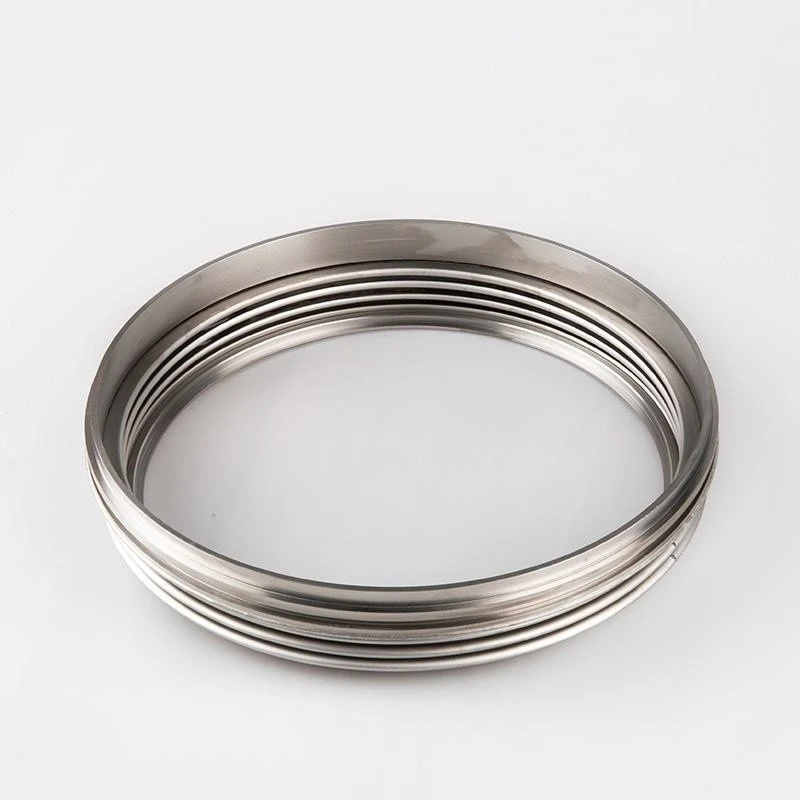
In the oil and gas industry, metal bellows are used in a variety of harsh environments. In offshore drilling platforms, they are used in subsea equipment to compensate for pressure changes and protect sensitive components. For example, in blowout preventers, metal bellows are used to control the flow of fluids and provide a seal in case of an emergency.
Onshore, in refineries and pipelines, metal bellows are used to absorb thermal expansion and contraction of pipes. They can prevent stress and fatigue in the pipes, reducing the risk of leaks and failures. The durability and corrosion resistance of metal bellows make them an ideal choice for these high - pressure and high - temperature applications.
Contact for Purchase and Collaboration
If you are in need of high - quality metal bellows for your specific application, we are here to serve you. Our team of experts can provide you with customized solutions based on your requirements. Whether you need precision - formed bellows for aerospace applications or multi - ply stainless steel bellows for industrial pipelines, we have the knowledge and experience to meet your needs.
Do not hesitate to reach out to us for further discussion and negotiation. We are committed to providing you with the best products and services in the industry.
References
- Smith, J. (2018). "Advanced Materials for Industrial Bellows". Industrial Press.
- Johnson, A. (2019). "Applications of Metal Components in Aerospace Systems". Aerospace Journal.
- Lee, C. (2020). "Medical Device Engineering: The Role of Flexible Components". Medical Engineering Review.