The cost of an interlocked stainless steel hose can vary widely depending on several factors, and as a prominent supplier of such hoses, I'm well - versed in these elements. This in - depth analysis will shed light on what influences the price of this essential industrial component.
Factors Affecting the Cost
1. Hose Dimension
One of the most significant factors dictating the cost of an interlocked stainless steel hose is its dimension. Length, diameter, and wall thickness all play crucial roles. Longer hoses require more raw materials, which directly increases production costs. For instance, a 10 - meter interlocked stainless steel hose will be more expensive than a 1 - meter one of the same diameter and wall thickness. The diameter is also a key player. A larger - diameter hose needs more stainless - steel material for its construction, leading to a higher price. Similarly, a hose with a thicker wall can withstand more pressure and is more durable, but it also demands a greater quantity of stainless steel, thus increasing the overall cost.
2. Material Quality
The quality of the stainless steel used in the hose is another major determinant of cost. Stainless steel comes in different grades, each with its own unique properties. Higher - grade stainless steels, such as 316L, offer better corrosion resistance, higher strength, and greater durability. These superior qualities are a result of the careful selection of alloying elements during the steel - making process. In contrast, lower - grade stainless steels are more cost - effective but may not be suitable for environments where high corrosion resistance is needed. For example, in a chemical processing plant where corrosive chemicals are constantly in use, a high - grade stainless - steel hose will be the preferred choice, despite its higher cost.
3. Pressure Rating
The pressure rating of the interlocked stainless steel hose is closely related to its cost. Hoses that are designed to withstand high pressures require more robust construction. This often involves additional reinforcement layers or a more complex interlocking design. A high - pressure stainless steel hose High Pressure Stainless Steel Hose will have a higher price tag compared to a low - pressure one. The manufacturing process for high - pressure hoses is more intricate and requires more precise engineering to ensure that the hose can safely contain the high pressures without leaking or rupturing.
4. End Fittings
The type of end fittings on the interlocked stainless steel hose can have a substantial impact on its cost. There are various types of end fittings, including threaded, flanged, and welded fittings. Each type has its own manufacturing requirements and costs. For example, flanged end fittings are generally more expensive than threaded ones because they require more material and a more complex manufacturing process. The choice of end fittings also depends on the application. In some industrial setups, a specific type of end fitting may be necessary to ensure a proper connection with other equipment.
5. Quantity Ordered
The quantity of hoses ordered is a cost - influencing factor as well. When a large quantity of interlocked stainless steel hoses is ordered, suppliers can often offer a lower price per unit. This is because bulk orders allow for economies of scale in production. The cost of raw materials, labor, and manufacturing setup can be spread over a larger number of units, resulting in a reduced cost per hose. For manufacturers, producing a large batch of hoses also simplifies the production process and reduces the overall production time, which can translate into cost savings.
Cost Comparison with Other Types of Metal Hoses
Braided Corrugated Metal Hose
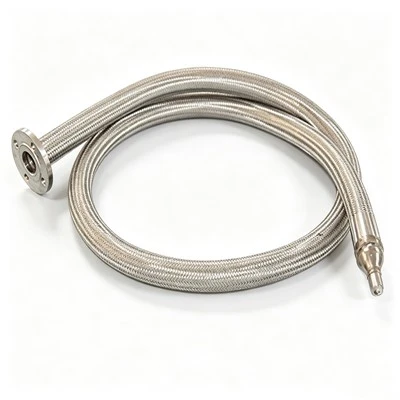
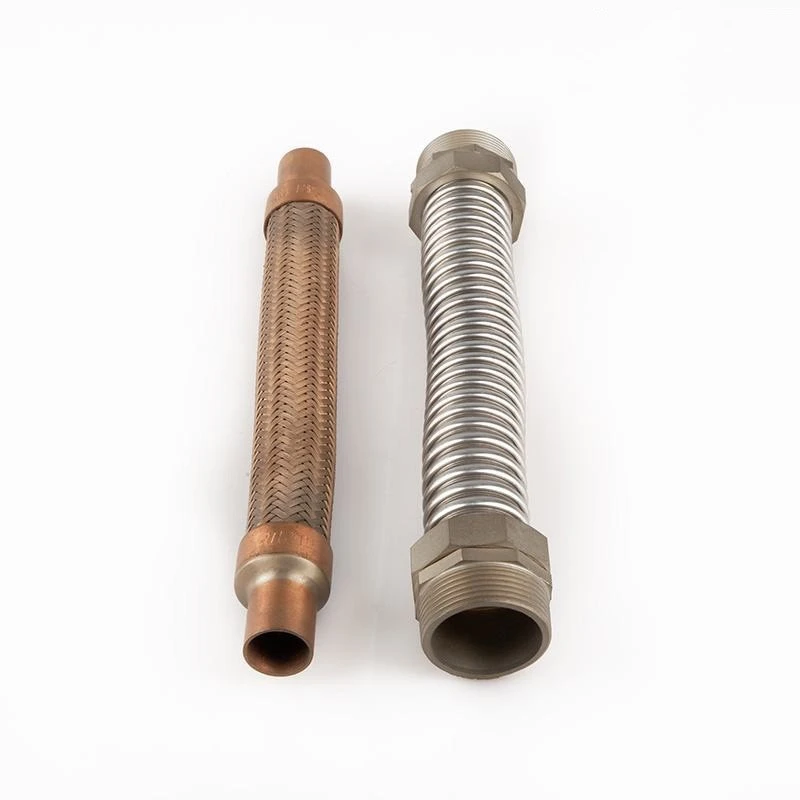
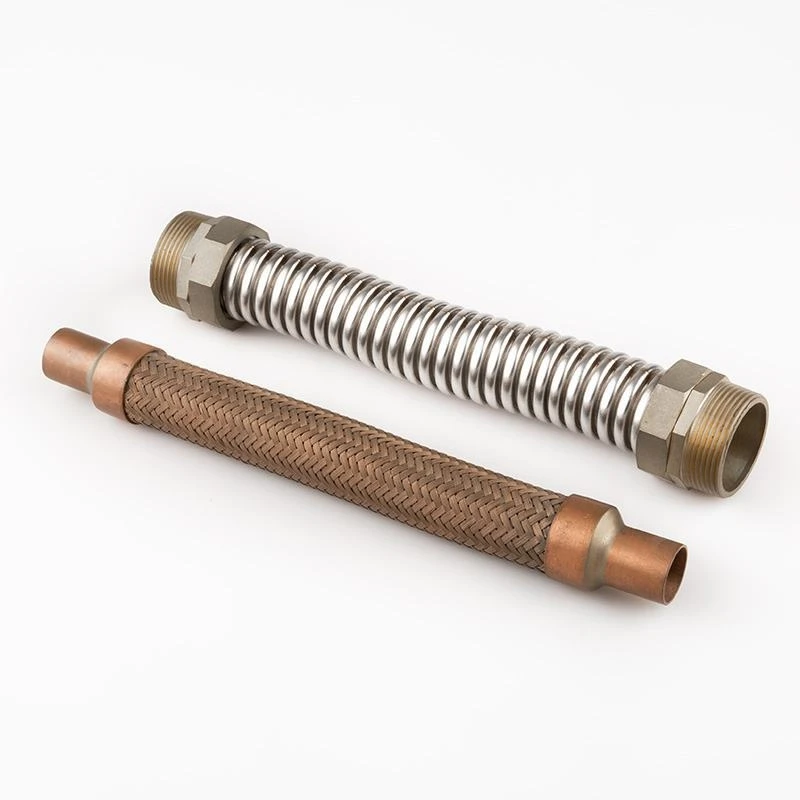
A braided corrugated metal hose Braided Corrugated Metal Hose typically has a different cost structure compared to an interlocked stainless steel hose. Braided hoses have a layer of braiding over the corrugated inner tube, which provides additional flexibility and strength. The braiding process adds to the manufacturing cost. However, in some applications where high flexibility is required, such as in small - scale machinery or equipment with limited space for movement, the braided corrugated hose may be a more cost - effective choice in the long run, despite the higher upfront cost.
Helical Corrugated Metal Hose
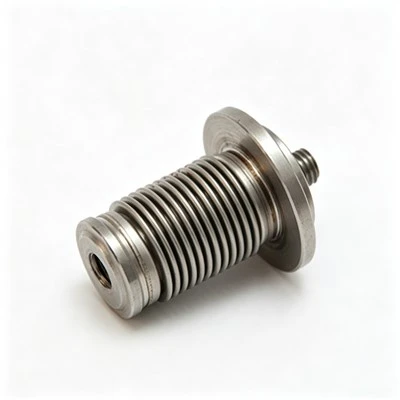
Helical corrugated metal hoses Helical Corrugated Metal Hose also differ in cost. These hoses have a helical corrugation pattern, which gives them unique properties. The manufacturing process for helical corrugated hoses can be more complex, involving specialized machinery to form the helical pattern. This complexity can lead to a higher cost, especially for hoses with a fine helical pitch. However, helical corrugated hoses are often used in applications where better resistance to torsional stress is required, such as in rotating machinery or systems with dynamic movement.
Annular Corrugated Metal Hose
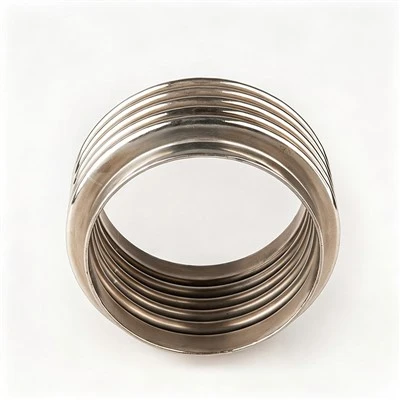
Annular corrugated metal hoses Annular Corrugated Metal Hose have an annular (ring - like) corrugation pattern. The cost of annular corrugated hoses can vary depending on factors such as the depth and spacing of the corrugations. In general, they are designed for applications where axial movement and vibration absorption are important, such as in piping systems in buildings. Compared to interlocked stainless steel hoses, the cost may be higher or lower depending on the specific requirements of the application.
Pricing Range
It's difficult to provide an exact price for an interlocked stainless steel hose due to the numerous influencing factors. However, as a general guideline, small - diameter hoses of relatively short length with basic end fittings and made from standard - grade stainless steel can start from a few dollars per meter. On the other hand, large - diameter, high - pressure hoses with special end fittings and made from high - grade stainless steel can cost hundreds of dollars per meter.
Putting the Price into Perspective
When considering the cost of an interlocked stainless steel hose, it's essential to look beyond the initial price. A high - quality, more expensive hose may offer a longer service life, better performance, and lower maintenance costs over time. For example, a hose made from high - grade stainless steel may resist corrosion for many years, reducing the need for frequent replacements. In contrast, a cheaper, lower - quality hose may need to be replaced more frequently, which can result in higher overall costs in the long term.
Conclusion and Call to Action
In conclusion, the cost of an interlocked stainless steel hose is influenced by multiple factors, including dimension, material quality, pressure rating, end fittings, and quantity ordered. As a reliable supplier of interlocked stainless steel hoses Interlocked Stainless Steel Hose, we understand the importance of providing high - quality products at competitive prices.
If you are in need of interlocked stainless steel hoses for your industrial application, we invite you to reach out for a detailed quotation. Our team of experts can provide you with customized solutions based on your specific requirements. We are committed to ensuring that you get the best value for your investment. Don't hesitate to contact us to start a procurement discussion and find the ideal interlocked stainless steel hose for your project.
References
- "Handbook of Metal Hoses," Industrial Materials Press
- "Stainless Steel: Properties and Applications," Metallurgy Research Institute Publications
- Various industry reports on metal hose manufacturing and pricing trends