Hey there! As a supplier of Hinged Metal Expansion Joints, I've been getting a lot of questions lately about using these joints in high - altitude areas. It's a pretty interesting topic, and there are several environmental adaptability issues we need to dig into.
First off, let's talk about the lower atmospheric pressure up in high - altitude places. Atmospheric pressure drops as we go higher above sea level. For our hinged metal expansion joints, this can have a couple of significant impacts. Usually, expansion joints are designed to work against a certain atmospheric pressure. When the pressure drops, the internal pressure within the pipeline system might become relatively higher compared to the outside. This pressure differential can cause the expansion joint to experience more stress than it would at lower altitudes.
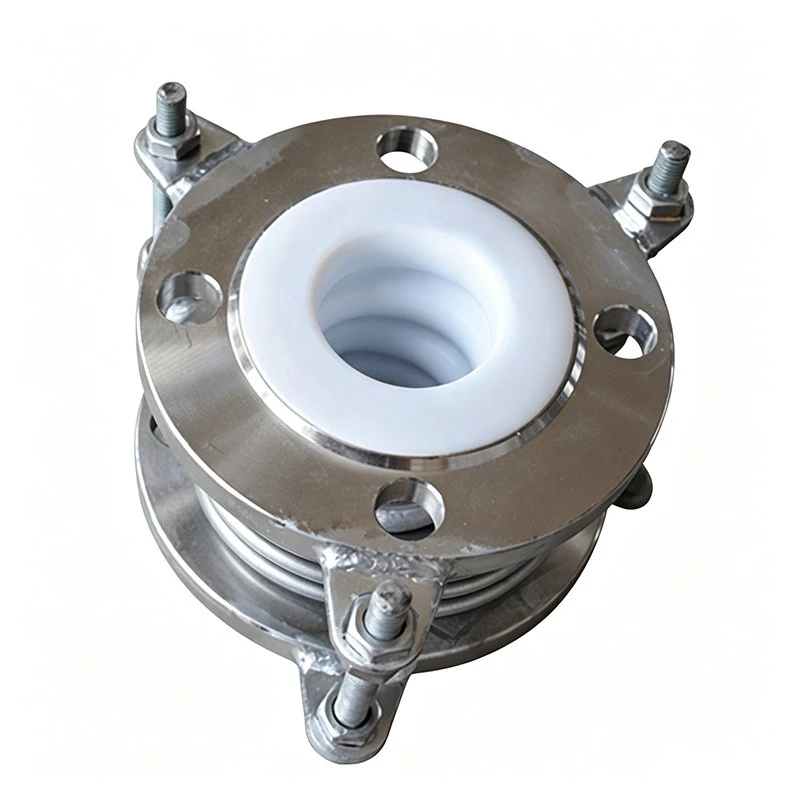
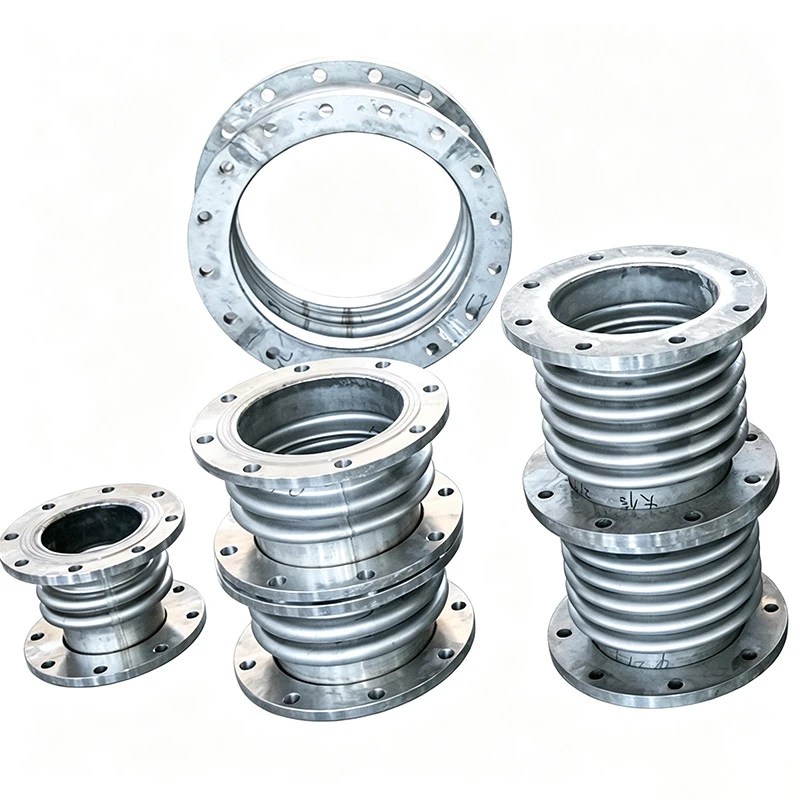
Let's say we've got a pipeline in a high - altitude location. The lower external pressure means that the hinged metal expansion joint has to deal with a greater force trying to push it outwards. Over time, this can lead to premature wear and tear on the joint's materials. The hinge components, which are crucial for restricting movement in a specific direction, could be put under extra strain. This might result in the hinges bending or even breaking, which would seriously compromise the expansion joint's performance and safety.
The temperature variations in high - altitude areas are another major factor. High - altitude regions often have extreme temperature differences between day and night. During the day, the sun beats down on the pipeline and the expansion joint, heating them up significantly. And at night, the temperatures can drop like a rock. These wild temperature swings can cause the metal in the expansion joint to expand and contract rapidly.
Metals have different coefficients of thermal expansion. When the temperature changes quickly, the different parts of the hinged metal expansion joint might expand or contract at different rates. This can create internal stresses within the joint. For example, if the bellows and the hinge plates expand at different rates due to a sudden temperature increase during the day, it can lead to misalignment or distortion of the joint. This misalignment can not only reduce the joint's ability to absorb movement in the pipeline but also cause leaks, which is a huge no - no in any pipeline system.
Another thing we need to think about is the reduced oxygen levels in high - altitude areas. The lower oxygen content can affect the corrosion process of the metal in the expansion joint. Unlike in lower - altitude locations where oxygen can help form a protective oxide layer on the metal surface under certain conditions, the lack of oxygen can sometimes disrupt normal corrosion - prevention mechanisms. Some metals rely on that thin oxide layer to prevent further corrosion. With less oxygen, this layer might not form as effectively or could be damaged more easily.
For instance, if our hinged metal expansion joint is made of a type of stainless steel that usually forms a self - healing oxide layer, the reduced oxygen can make this layer less stable. This leaves the metal more vulnerable to corrosion from other environmental factors like moisture or chemical contaminants in the pipeline. And once corrosion starts, it can spread quickly, weakening the entire expansion joint and shortening its lifespan.
Then there's the issue of UV radiation. High - altitude areas typically receive more intense UV radiation compared to lower - altitude regions because there's less atmosphere to filter it out. The UV rays can have a detrimental effect on the coatings or protective finishes that we apply to the hinged metal expansion joints. These coatings are often used to prevent corrosion, reduce friction, or improve the joint's appearance.
When exposed to strong UV radiation, the coatings can start to degrade. They might become brittle, crack, or peel off. Once the coating is damaged, the underlying metal is directly exposed to the harsh environment, increasing the risk of corrosion and other types of damage. This means that for expansion joints used in high - altitude areas, we need to choose coatings that are more resistant to UV radiation.
Now, depending on the specific application and requirements in high - altitude areas, there are different types of expansion joints that might be suitable. You might also be interested in learning about some of our other products like Gimbal Metal Expansion Joint, Externally Pressurized Metal Expansion Joint, Metal Lateral Expansion Joint, Metal Angular Expansion Joint, and Metal Axial Expansion Joint. Each of these joints has its own unique features and can be a great fit for different pipeline systems.
To address these environmental adaptability issues in high - altitude areas, we've been doing a lot of research and development. We're testing different metals and alloys to find the ones that can better tolerate the low atmospheric pressure, extreme temperature variations, reduced oxygen levels, and intense UV radiation. We're also looking into new coating technologies that can withstand the harsh high - altitude environment for a longer time.
For example, we're experimenting with some high - performance alloys that have a lower coefficient of thermal expansion. These alloys can reduce the internal stresses caused by temperature changes, which helps to keep the expansion joint in good working condition for longer. And for the coatings, we're exploring some UV - resistant polymers that can form a more durable barrier between the metal and the environment.
If you're involved in a project in a high - altitude area and need reliable hinged metal expansion joints, we'd love to have a chat. We can work with you to understand your specific requirements and recommend the best solutions for your pipeline system. Whether it's dealing with the low pressure, temperature swings, or UV radiation, we've got the expertise to help you make the right choices.
So, don't hesitate to reach out if you're thinking about purchasing hinged metal expansion joints for your high - altitude project. We're here to support you every step of the way and ensure that your pipeline system runs smoothly and safely.
References
- Textbooks on materials science related to metal alloys and their behavior under different environmental conditions.
- Research papers on the impact of high - altitude environmental factors on industrial components.
- Industry reports on the performance of expansion joints in challenging environments.