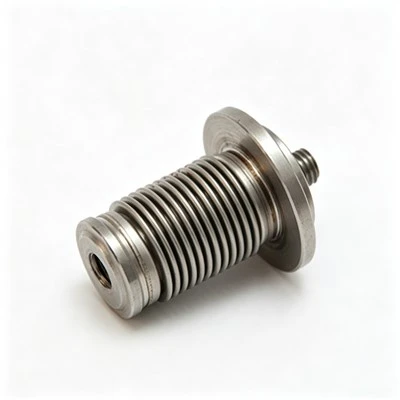
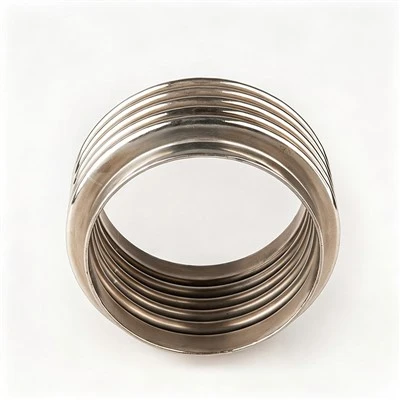
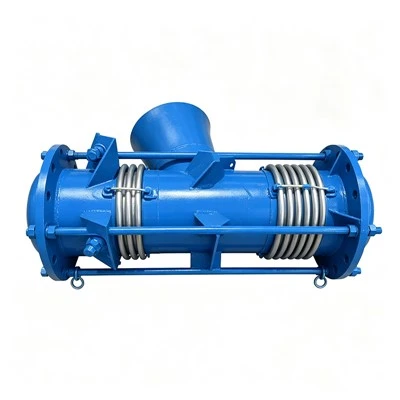
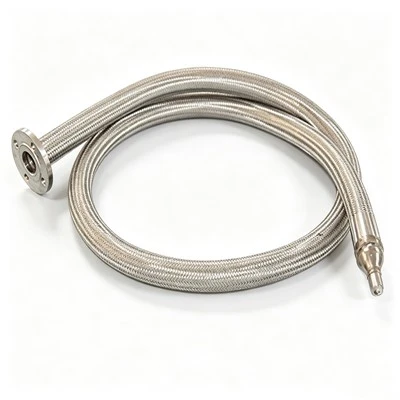
As a seasoned supplier of Edge Welded Metal Bellows, I've witnessed firsthand the critical role that dimensional tolerances play in the performance and reliability of these remarkable components. Edge welded metal bellows are precision-engineered devices used in a wide range of industries, including aerospace, automotive, semiconductor, and medical. Their ability to provide reliable sealing, compensation for thermal expansion, and precise motion control makes them indispensable in many applications.
Understanding Dimensional Tolerances
Dimensional tolerances are the allowable variations in the dimensions of a manufactured part. In the case of edge welded metal bellows, these tolerances are crucial because even the slightest deviation from the specified dimensions can affect the bellows' performance. For example, if the diameter of a bellows is too large or too small, it may not fit properly into its intended housing, leading to leaks or improper operation. Similarly, if the wall thickness of the bellows is not within the specified tolerance, it can affect the bellows' flexibility and fatigue life.
Factors Affecting Dimensional Tolerances
Several factors can influence the dimensional tolerances of edge welded metal bellows. These include the manufacturing process, the material properties, and the design requirements of the application.
Manufacturing Process
The manufacturing process for edge welded metal bellows involves several steps, including cutting, forming, and welding. Each of these steps can introduce variations in the dimensions of the bellows. For example, the cutting process may not be perfectly precise, resulting in slight deviations in the length or width of the bellows. The forming process, which involves shaping the bellows into its final shape, can also affect the dimensions, especially if the tooling is not properly calibrated. Finally, the welding process can cause distortion and shrinkage, which can lead to changes in the dimensions of the bellows.
Material Properties
The material properties of the metal used to manufacture the bellows can also affect the dimensional tolerances. Different metals have different coefficients of thermal expansion, which means they expand and contract at different rates when exposed to changes in temperature. This can cause the dimensions of the bellows to change, especially if the application involves significant temperature variations. Additionally, the mechanical properties of the metal, such as its strength and ductility, can affect the ability of the bellows to maintain its shape and dimensions under stress.
Design Requirements
The design requirements of the application also play a crucial role in determining the dimensional tolerances of the bellows. For example, if the bellows is used in a high-pressure application, the dimensional tolerances may need to be tighter to ensure that the bellows can withstand the pressure without leaking or failing. On the other hand, if the bellows is used in a low-pressure application, the tolerances may be more relaxed.
Typical Dimensional Tolerances
The dimensional tolerances of edge welded metal bellows can vary depending on the specific application and the requirements of the customer. However, there are some typical tolerances that are commonly used in the industry.
Diameter
The diameter of an edge welded metal bellows is typically specified with a tolerance of ±0.005 inches to ±0.010 inches. This tolerance is necessary to ensure that the bellows fits properly into its intended housing and to prevent leaks.
Length
The length of the bellows is usually specified with a tolerance of ±0.010 inches to ±0.020 inches. This tolerance allows for some variation in the length of the bellows without affecting its performance.
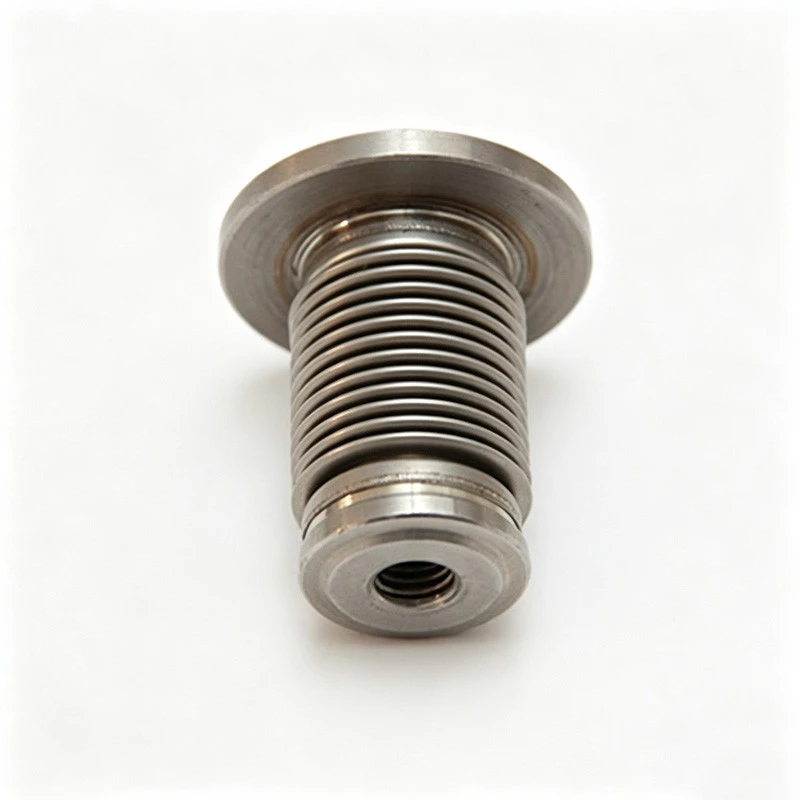
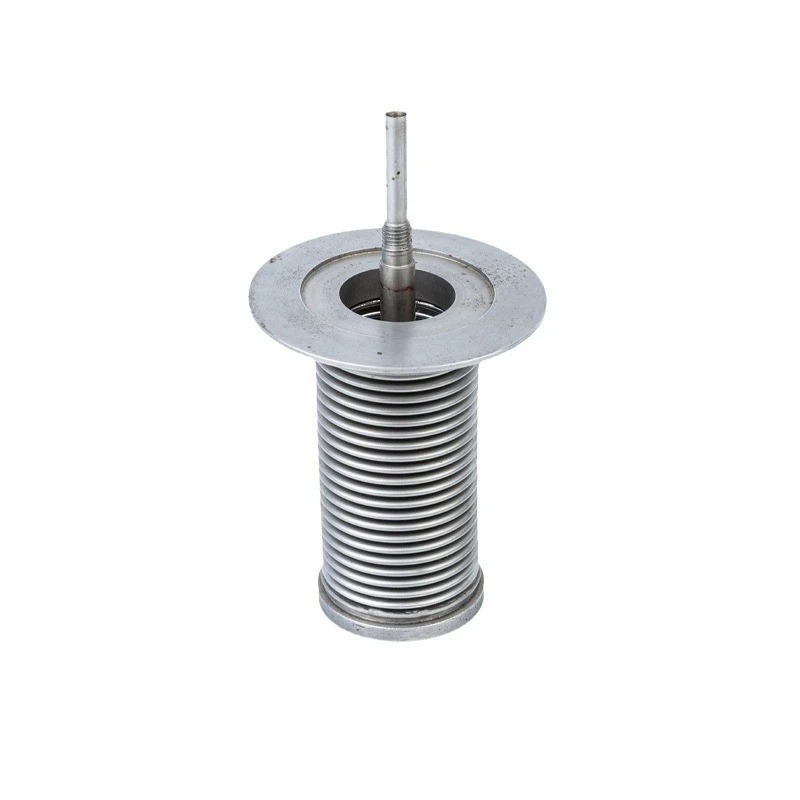
Wall Thickness
The wall thickness of the bellows is an important factor in its performance and durability. The wall thickness is typically specified with a tolerance of ±0.001 inches to ±0.002 inches. This tolerance ensures that the bellows has the appropriate strength and flexibility for the application.
Number of Convolutions
The number of convolutions in the bellows can also affect its performance. The number of convolutions is usually specified with a tolerance of ±1 convolution. This tolerance allows for some variation in the number of convolutions without affecting the overall performance of the bellows.
Importance of Tight Dimensional Tolerances
Tight dimensional tolerances are essential for ensuring the performance and reliability of edge welded metal bellows. When the dimensional tolerances are within the specified range, the bellows can provide consistent and reliable performance over its entire service life. This is particularly important in applications where the bellows is used to seal a critical environment or to provide precise motion control.
For example, in aerospace applications, edge welded metal bellows are used in fuel systems, hydraulic systems, and environmental control systems. These systems require high levels of reliability and performance, and any deviation from the specified dimensional tolerances can lead to serious consequences. Similarly, in medical applications, edge welded metal bellows are used in devices such as infusion pumps and ventilators. These devices must operate with a high degree of accuracy and reliability, and tight dimensional tolerances are essential to ensure their proper function.
Meeting Dimensional Tolerance Requirements
As a supplier of edge welded metal bellows, we understand the importance of meeting the dimensional tolerance requirements of our customers. To ensure that our bellows meet the highest standards of quality and performance, we use state-of-the-art manufacturing equipment and processes. Our manufacturing facilities are equipped with advanced CNC machining centers, laser cutting machines, and welding equipment, which allow us to produce bellows with precise dimensions and tight tolerances.
In addition to our advanced manufacturing equipment, we also have a team of highly skilled and experienced engineers and technicians who are dedicated to ensuring the quality of our products. Our engineers use advanced design software to optimize the design of our bellows and to ensure that they meet the specific requirements of our customers. Our technicians are trained to operate our manufacturing equipment with precision and to perform rigorous quality control checks at every stage of the manufacturing process.
Applications of Edge Welded Metal Bellows
Edge welded metal bellows are used in a wide range of applications across various industries. Here are some common applications where the precision of dimensional tolerances is critical:
Vacuum Valve Metal Bellows
Vacuum valve metal bellows are used in vacuum systems to provide a reliable seal and to compensate for thermal expansion. Vacuum Valve Metal Bellows must have tight dimensional tolerances to ensure that they can maintain a high level of vacuum and prevent leaks.
Multi Ply Stainless Steel Bellows
Multi ply stainless steel bellows are used in applications where high flexibility and durability are required. Multi Ply Stainless Steel Bellows are often used in aerospace and automotive applications, where they must withstand high temperatures, pressures, and vibrations.
Pressure Sensor Metal Bellows
Pressure sensor metal bellows are used in pressure sensors to measure the pressure of a fluid or gas. Pressure Sensor Metal Bellows must have precise dimensional tolerances to ensure accurate pressure measurements.
Mechanical Seal Metal Bellows
Mechanical seal metal bellows are used in pumps and other rotating equipment to provide a reliable seal between the rotating shaft and the stationary housing. Mechanical Seal Metal Bellows must have tight dimensional tolerances to prevent leaks and to ensure the long-term reliability of the equipment.
Hydroformed Stainless Steel Bellows
Hydroformed stainless steel bellows are used in applications where high precision and complex shapes are required. Hydroformed Stainless Steel Bellows are often used in the semiconductor and medical industries, where they must meet strict dimensional and performance requirements.
Conclusion
In conclusion, the dimensional tolerances of edge welded metal bellows are extremely strict, and for good reason. These tolerances are essential for ensuring the performance, reliability, and safety of the bellows in a wide range of applications. As a supplier of edge welded metal bellows, we are committed to providing our customers with products that meet the highest standards of quality and precision. Our state-of-the-art manufacturing facilities, experienced engineers, and rigorous quality control processes allow us to produce bellows with tight dimensional tolerances and consistent performance.
If you are in need of edge welded metal bellows for your application, we invite you to contact us to discuss your requirements. Our team of experts will work with you to understand your needs and to provide you with the best possible solution. We look forward to the opportunity to serve you and to help you achieve your goals.
References
- ASME Boiler and Pressure Vessel Code, Section VIII, Division 1
- API 610 - Centrifugal Pumps for General Refinery Service
- ISO 9001 - Quality Management Systems
- ASTM Standards for Metals and Alloys