In the dynamic world of industrial machinery, mechanical seal metal bellows play a crucial role in ensuring the efficient and reliable operation of equipment. When dealing with pulsating flow, these bellows face unique challenges that require careful design considerations. As a trusted supplier of Mechanical Seal Metal Bellows, I've seen firsthand how proper design can make a huge difference in performance and longevity. So, let's dive into what you need to keep in mind when designing these bellows for pulsating flow.
Understanding Pulsating Flow
Pulsating flow is characterized by rapid and repeated variations in pressure and velocity. It can be caused by a variety of factors, such as reciprocating pumps, compressors, or turbulent fluid dynamics. This type of flow creates cyclic stress on mechanical seal metal bellows, which can lead to fatigue failure if not properly addressed.
Material Selection
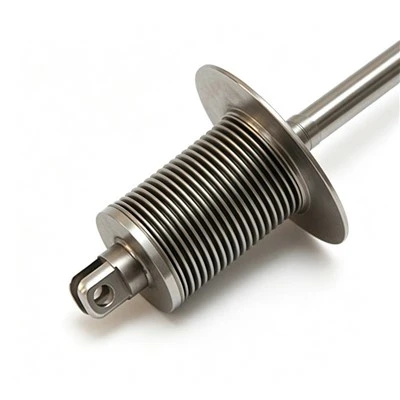
The first and most important design consideration is the choice of material. The material must be able to withstand the cyclic stresses induced by pulsating flow without succumbing to fatigue. Stainless steel is a popular choice due to its excellent corrosion resistance and high strength. For more demanding applications, Multi Ply Stainless Steel Bellows can provide additional durability. The multiple layers distribute stress more evenly, reducing the risk of cracking and extending the bellows' lifespan.
Nickel alloys are also a great option for applications where high temperature and corrosion resistance are required. Electroformed Nickel Bellows Assemblies offer precise control over the material properties, making them ideal for critical applications. These bellows can be tailored to meet specific performance requirements, ensuring optimal performance in pulsating flow conditions.
Design Geometry
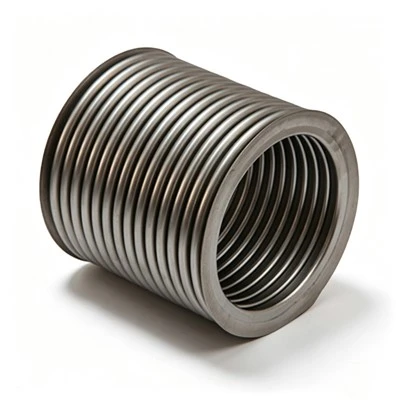
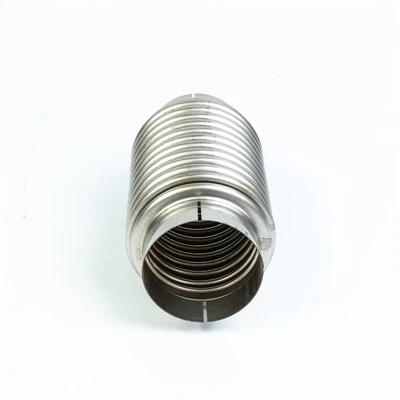
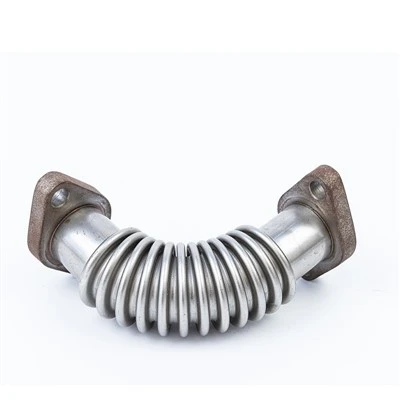
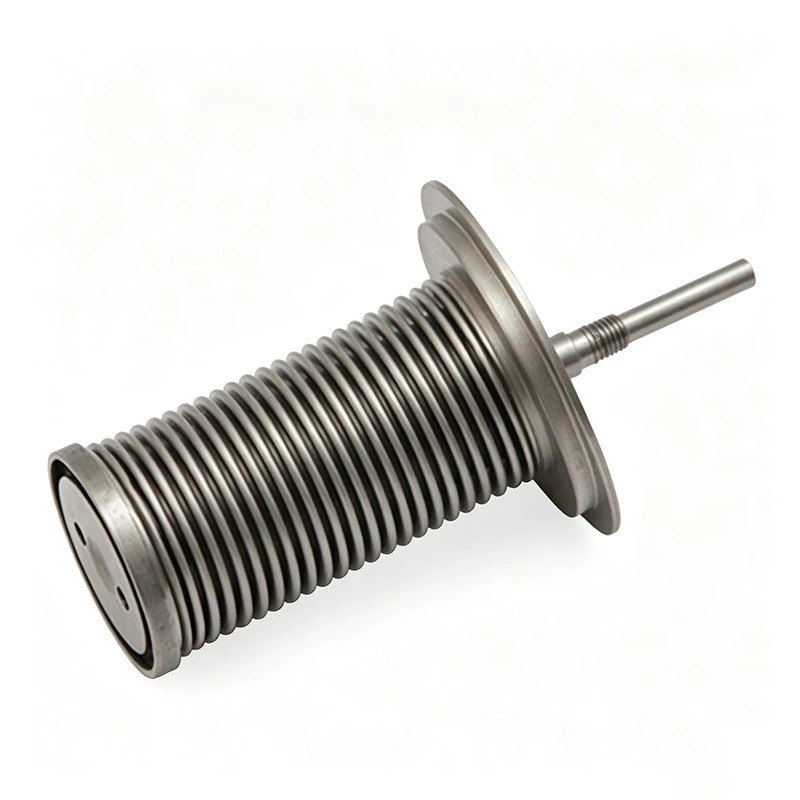
The geometry of the mechanical seal metal bellows is another critical factor. The shape and dimensions of the bellows can significantly affect its flexibility, stiffness, and resistance to fatigue. For pulsating flow applications, a bellows with a larger number of convolutions is generally preferred. More convolutions allow the bellows to flex more easily, dissipating the energy from the pulsating flow and reducing stress levels.
However, increasing the number of convolutions also increases the bellows' length and can make it more susceptible to instability. Therefore, it's essential to find the right balance between flexibility and stability. Precision Formed Metal Bellows offer tight control over the geometry, ensuring consistent performance and reliability.
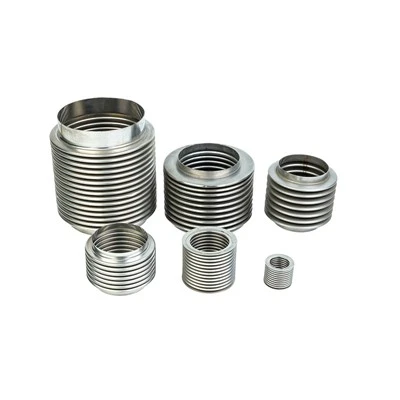
The diameter of the bellows is also important. A larger diameter can increase the bellows' volume and reduce the pressure fluctuations inside, which can help to minimize stress. But it also increases the overall size and weight of the bellows, which may not be suitable for all applications.
Spring Rate
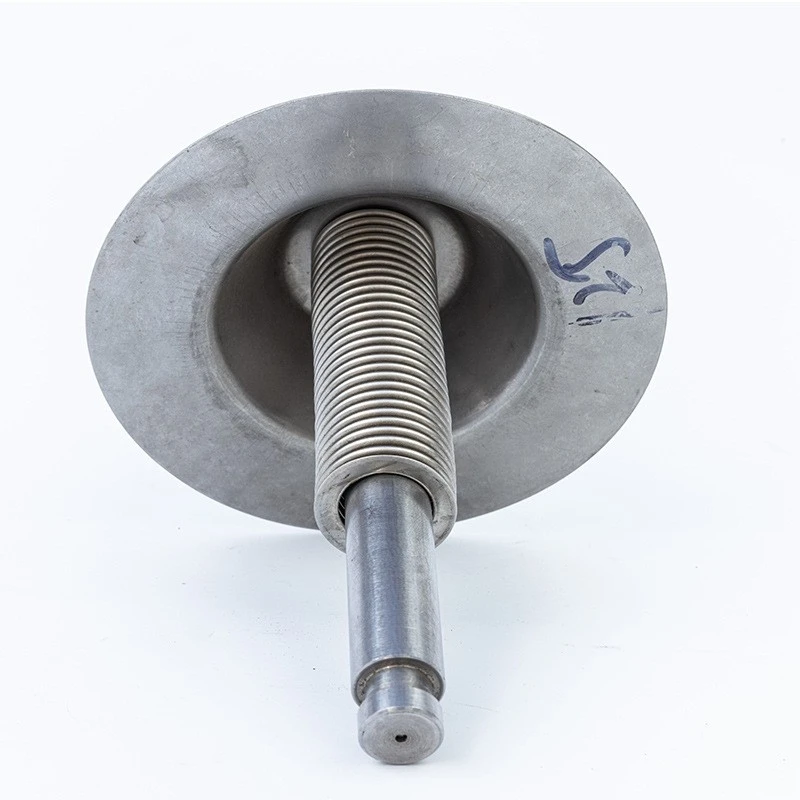
The spring rate of the mechanical seal metal bellows determines its ability to absorb and release energy. In pulsating flow applications, a lower spring rate is often preferred. A bellow with a lower spring rate can flex more easily in response to pressure changes, reducing the stress on the material. This helps to prevent fatigue failure and extends the bellows' service life.
However, the spring rate must be carefully selected to ensure that the bellows can maintain the necessary sealing force. If the spring rate is too low, the bellows may not be able to provide sufficient sealing pressure, leading to leakage. On the other hand, if the spring rate is too high, the bellows may be too rigid to flex properly in response to the pulsating flow, increasing the risk of fatigue failure.
Manufacturing Process
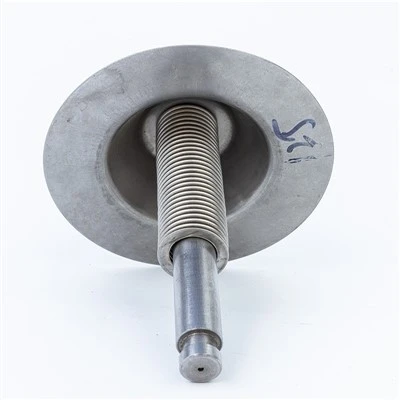
The manufacturing process can also have a significant impact on the performance of mechanical seal metal bellows in pulsating flow. Hydroformed Stainless Steel Bellows are formed using a hydroforming process, which involves using high-pressure fluid to shape the metal. This process results in a more uniform wall thickness and better material properties, making the bellows more resistant to fatigue and corrosion.
Electroforming is another manufacturing process that offers precise control over the bellows' dimensions and properties. Electroformed Nickel Bellows Assemblies are created by depositing nickel onto a mandrel using an electroplating process. This allows for the production of bellows with complex geometries and high precision, which is ideal for applications where tight tolerances are required.
Sealing Performance
In addition to withstanding the cyclic stresses of pulsating flow, mechanical seal metal bellows must also provide reliable sealing. The sealing performance is affected by several factors, including the surface finish of the bellows, the type of seal material, and the design of the seal interface.
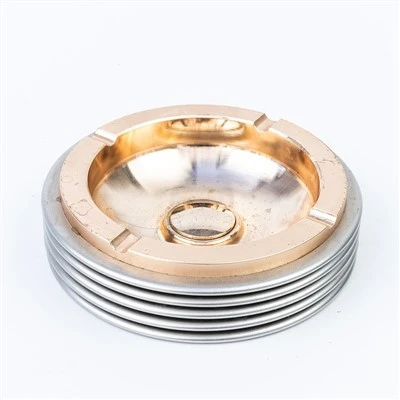
A smooth surface finish on the bellows can reduce friction and wear, improving the sealing performance. The seal material must be compatible with the fluid being sealed and have good resistance to compression and wear. The design of the seal interface should ensure that the bellows can maintain a tight seal even under the dynamic conditions of pulsating flow. Vacuum Valve Metal Bellows are designed to provide excellent sealing performance in high-vacuum applications, where even the slightest leakage can have a significant impact on performance.
Environmental Considerations
The operating environment can also influence the design of mechanical seal metal bellows. Factors such as temperature, pressure, and the presence of corrosive substances must be taken into account. In high-temperature applications, the material must be able to withstand the thermal stresses without losing its strength or flexibility. In corrosive environments, the bellows must be protected from chemical attack to prevent premature failure.
Testing and Validation
Before a mechanical seal metal bellows is put into service, it's essential to conduct thorough testing and validation. This includes fatigue testing to simulate the cyclic stresses of pulsating flow, pressure testing to ensure the bellows can withstand the operating pressure, and leakage testing to verify the sealing performance. By conducting these tests, we can ensure that the bellows meet the required performance standards and provide reliable operation in pulsating flow applications.
Conclusion
Designing mechanical seal metal bellows for pulsating flow requires a comprehensive understanding of the challenges and a careful consideration of various factors. From material selection and design geometry to manufacturing process and sealing performance, every aspect plays a crucial role in ensuring the bellows' reliability and longevity.
As a trusted supplier of Mechanical Seal Metal Bellows, we have the expertise and experience to provide high-quality solutions that meet the specific needs of your pulsating flow applications. Whether you need Multi Ply Stainless Steel Bellows, Precision Formed Metal Bellows, Electroformed Nickel Bellows Assemblies, Vacuum Valve Metal Bellows, or Hydroformed Stainless Steel Bellows, we've got you covered.
If you're looking for reliable mechanical seal metal bellows for your pulsating flow applications, don't hesitate to reach out. Let's discuss your requirements and find the best solution for your needs.
References
- Fluitek, Inc. "Mechanical Seal Design for Pulsating Flow Conditions."
- ASME Boiler and Pressure Vessel Code, Section VIII, Division 1.
- Seal School by John Crane. "Design Considerations for Seals in Pulsating Flow."