Yo! As a supplier of elastic components, I get asked a lot about the tensile properties of these cool parts. So, today, I'm gonna break it down for you.
Tensile properties are super important when it comes to elastic components. They tell us how well these things can handle being pulled apart. Think of it like this: when you stretch a rubber band, you're testing its tensile strength. You wanna know how far you can stretch it before it snaps. That's what we're dealing with here, but with more complex elastic components.
Let's start with the basics. Elastic components are used in all sorts of industries, from aerospace to automotive, and even in medical devices. They need to be able to withstand various forces, including tension. Tensile strength is the maximum stress a material can take while being pulled or stretched before it breaks. It's measured in units of force per unit area, like pounds per square inch (psi) or megapascals (MPa).
Another key tensile property is yield strength. This is the point at which the material starts to deform permanently. Before the yield point, the material behaves elastically, which means it'll go back to its original shape when the force is removed. But once you pass the yield point, the material will have some permanent deformation.
Then there's elongation. This is how much the material stretches before it breaks. It's usually expressed as a percentage of the original length. A high elongation percentage means the material can stretch a long way before it fails, which is often a good thing for elastic components.
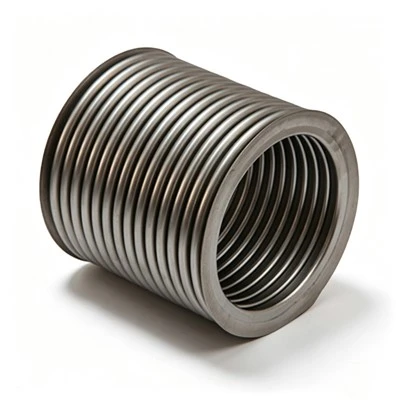
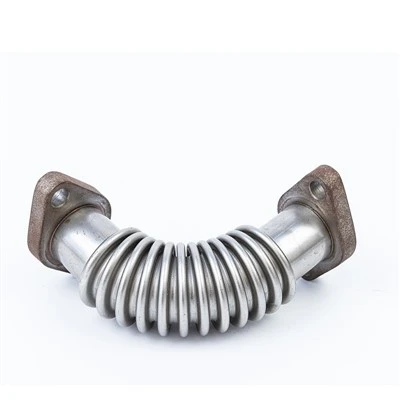
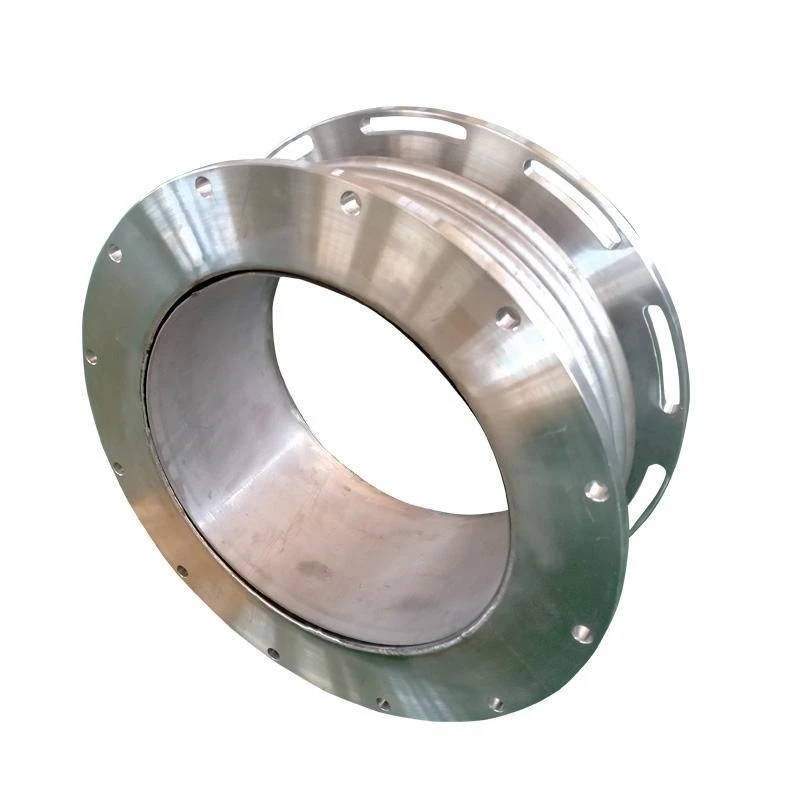
Now, let's talk about some of the elastic components we offer. Check out our Multi Ply Stainless Steel Bellows. These bellows are made up of multiple layers of stainless steel. The multi - ply design gives them some unique tensile properties. The different layers can work together to distribute the stress evenly when the bellows is under tension. This means they can handle higher levels of stress without failing compared to single - ply designs.
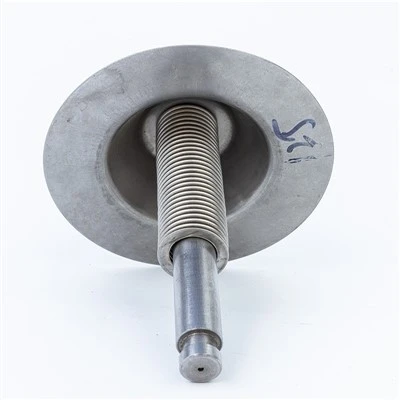
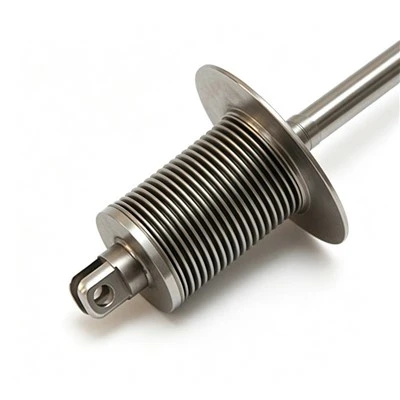
Externally Pressurized Stainless Steel Bellows are another great option. These bellows are designed to handle external pressure, but they also have good tensile properties. When they're being pulled, the structure of the bellows helps to channel the force in a way that minimizes the risk of breakage. The stainless steel material itself is known for its strength and durability, which adds to the overall tensile performance.
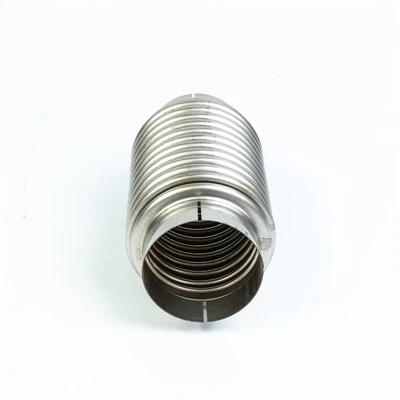
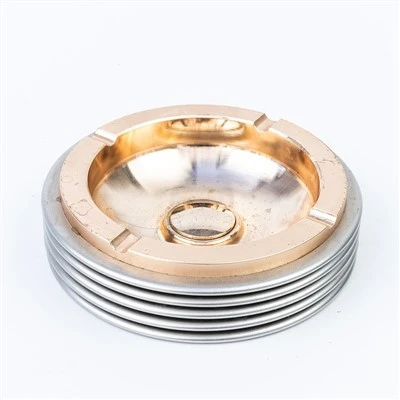
Our Single Ply Stainless Steel Bellows are simpler in design but still have their own set of tensile strengths. They're great for applications where you don't need the extra strength of a multi - ply design. Because they're made of a single layer, they can be more flexible, but they also have to be carefully designed to ensure they can handle the expected tension.
The Hydroformed Stainless Steel Bellows are formed using a hydroforming process. This process gives the bellows a very precise shape and can enhance its tensile properties. The metal is shaped in a way that makes it more resistant to cracking and breaking under tension.
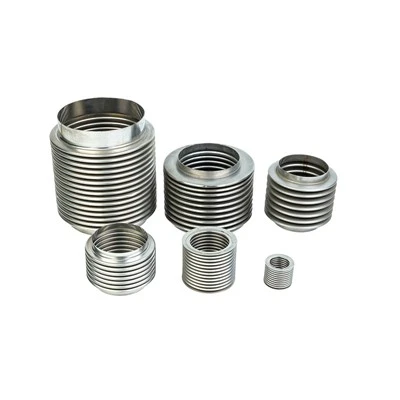
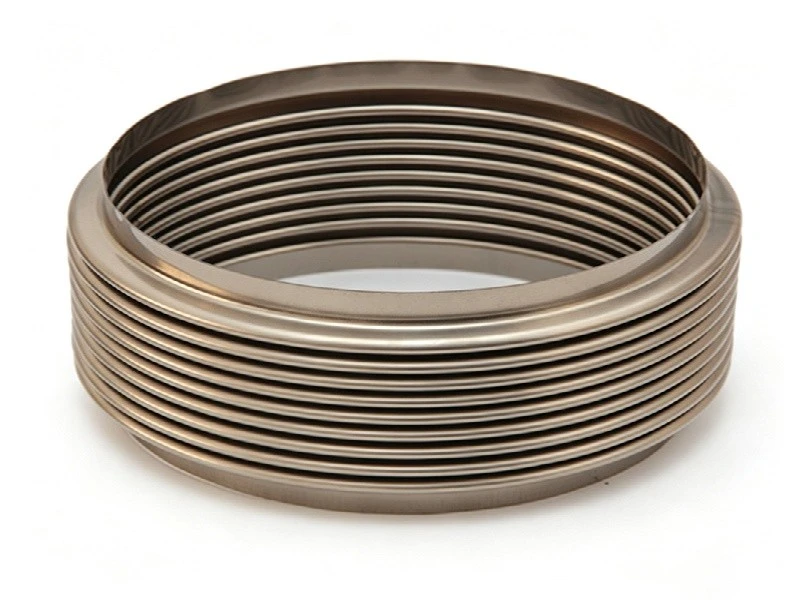
And then there's the Stainless Steel Bellows Element. These elements are the building blocks of many of our elastic products. They're designed to have specific tensile properties that allow them to be used in a wide range of applications. The stainless steel material provides a good balance between strength and flexibility.
When we're designing and manufacturing these elastic components, we do a lot of testing to ensure the right tensile properties. We use advanced testing equipment to measure the tensile strength, yield strength, and elongation. We also take into account the environment in which the components will be used. For example, if they're going to be in a high - temperature or corrosive environment, we need to make sure the materials can still maintain their tensile properties.
So, why are these tensile properties so important? Well, in industries like aerospace, elastic components need to be extremely reliable. A failure due to poor tensile properties could have catastrophic consequences. In the automotive industry, they help improve the performance and safety of vehicles. And in medical devices, they need to be able to function correctly over a long period of time without breaking.
If you're in the market for elastic components, you need to consider the tensile properties carefully. You want to make sure the components you choose can handle the expected forces in your application. Whether you're designing a new product or replacing old components, it's important to get the right balance of strength, flexibility, and durability.
If you're interested in our elastic components and want to learn more about their tensile properties or how they can fit into your project, don't hesitate to reach out. We're here to help you find the best solutions for your needs. Let's have a chat and see how we can work together to get you the right elastic components for your application.
References
- "Materials Science and Engineering: An Introduction" by William D. Callister Jr. and David G. Rethwisch
- Technical literature on stainless steel material properties from major steel manufacturers.