Hey there! I'm a supplier of elastic components, and I've seen firsthand how these nifty little things can make a huge difference in the flexibility of a structure. In this blog, I'm gonna dive into the nitty - gritty of how elastic components work their magic.
What are Elastic Components?
Elastic components are parts designed to deform under load and return to their original shape once the load is removed. They're like the superheroes of the engineering world, always ready to stretch and bounce back. Some common types of elastic components include springs, rubber mounts, and bellows.
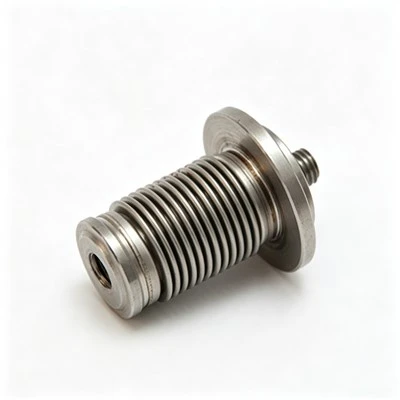
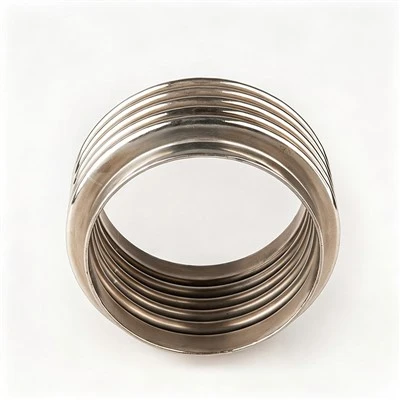
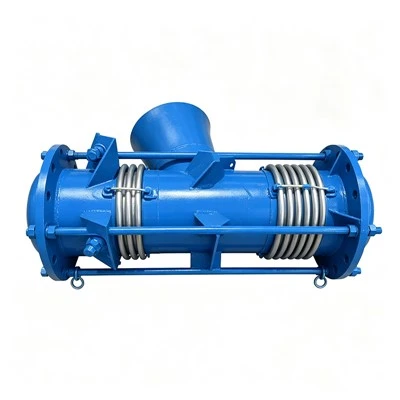
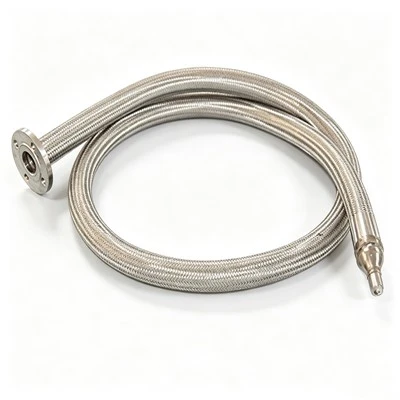
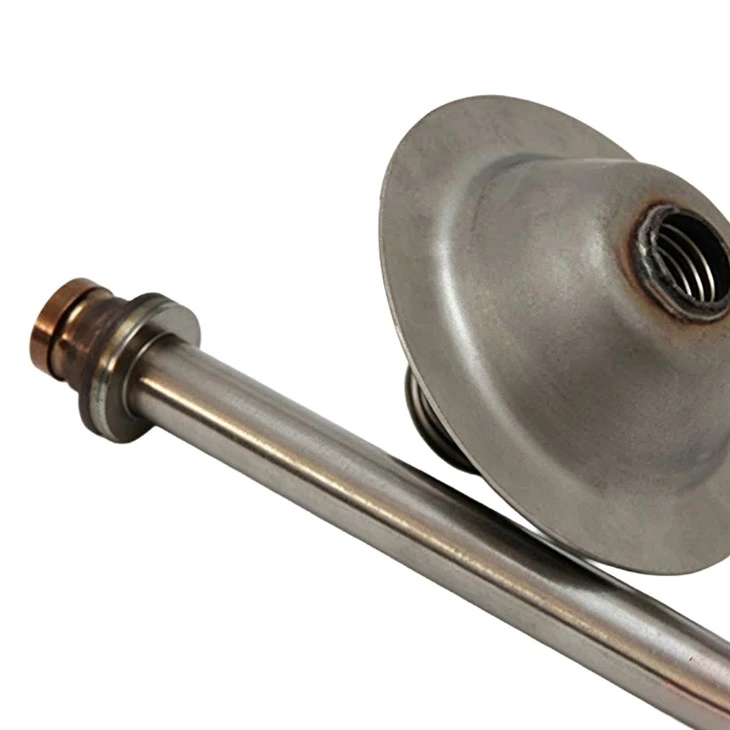
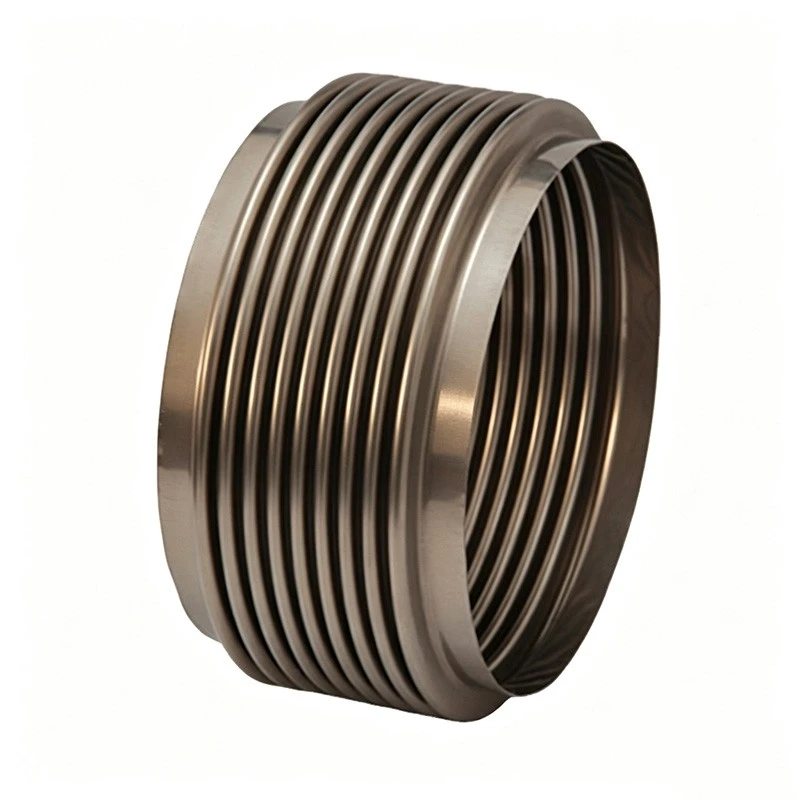
As a supplier, I've got a wide range of bellows in my catalog, such as Hydroformed Stainless Steel Bellows, Stainless Steel Expansion Joint Bellows, Single Ply Stainless Steel Bellows, Multi Ply Stainless Steel Bellows, and Externally Pressurized Stainless Steel Bellows. These bellows are made from high - quality stainless steel, which gives them excellent elasticity and durability.
How Elastic Components Add Flexibility
Absorbing Vibrations
One of the main ways elastic components affect a structure's flexibility is by absorbing vibrations. In a machine or a building, there are often vibrations caused by moving parts or external forces like wind or earthquakes. These vibrations can cause stress and damage to the structure over time.
Elastic components, like rubber mounts or springs, act as shock absorbers. They can flex and stretch to soak up the energy from the vibrations, reducing the impact on the rest of the structure. For example, in a car engine, rubber mounts are used to isolate the engine from the chassis. When the engine vibrates, the rubber mounts deform, preventing those vibrations from being transferred to the car body. This not only makes the ride smoother for the passengers but also extends the lifespan of the car's components.
Allowing for Movement
Another important function of elastic components is to allow for movement within a structure. In some cases, a structure needs to be able to expand or contract due to temperature changes, pressure variations, or other factors.
Bellows are great for this kind of situation. They can expand and contract axially, laterally, or angularly. For instance, in a pipeline system, temperature changes can cause the pipes to expand or contract. Stainless Steel Expansion Joint Bellows are installed in the pipeline to accommodate this movement. Without these bellows, the pipes could buckle or break under the stress of expansion or contraction.
Adjusting to Misalignments
Elastic components can also help a structure adjust to misalignments. In mechanical systems, parts may not always be perfectly aligned due to manufacturing tolerances, installation errors, or wear and tear.
Single - ply and multi - ply stainless steel bellows can be used to compensate for misalignments. They can flex and bend to connect two misaligned parts, ensuring that the system functions smoothly. For example, in a turbine system, the bellows can adjust to any misalignment between the turbine and the connected pipes, preventing leaks and improving the overall efficiency of the system.
Factors to Consider When Using Elastic Components
Material Properties
The material of the elastic component matters a lot. Different materials have different elastic properties, such as modulus of elasticity, yield strength, and fatigue resistance.
For stainless steel bellows, the high strength and corrosion resistance of stainless steel make them suitable for applications in harsh environments. However, the specific alloy of stainless steel used can affect its elasticity and other properties. We need to choose the right material based on the application requirements, like the temperature range, pressure, and the amount of movement the component needs to accommodate.
Design and Geometry
The design and geometry of the elastic component also play a crucial role in determining its ability to affect the structure's flexibility. For example, the number of convolutions in a bellows affects its flexibility and the amount of movement it can handle. A bellows with more convolutions is generally more flexible than one with fewer convolutions.
The shape and size of the component also matter. A well - designed elastic component should be able to distribute the stress evenly across its structure when it deforms. This helps to prevent localized stress concentrations, which can lead to premature failure.
Load Conditions
Understanding the load conditions is essential when using elastic components. The load can be static or dynamic. Static loads are constant, while dynamic loads vary over time.
For dynamic loads, like vibrations, the elastic component needs to have good fatigue resistance. It should be able to withstand repeated cycles of deformation without failing. On the other hand, for static loads, the component needs to have sufficient strength to support the load without excessive deformation.
Real - World Applications
Aerospace Industry
In the aerospace industry, elastic components are used everywhere. For example, in aircraft engines, bellows are used to compensate for thermal expansion and contraction. The high - temperature environment in the engine requires elastic components with excellent heat resistance. Our Externally Pressurized Stainless Steel Bellows are a great choice for these applications because stainless steel can withstand high temperatures and maintain its elasticity.
Oil and Gas Industry
In the oil and gas industry, pipelines are used to transport oil and gas over long distances. These pipelines are subject to temperature changes, pressure variations, and ground movements. Elastic components, such as expansion joints, are installed in the pipelines to prevent damage. Our bellows can handle the high pressures and corrosive environments commonly found in the oil and gas industry.
HVAC Systems
In heating, ventilation, and air - conditioning (HVAC) systems, elastic components are used to reduce vibrations and noise. Rubber mounts are often used to isolate the HVAC equipment from the building structure, reducing the transmission of vibrations and making the system quieter.
Conclusion
Elastic components are essential for enhancing the flexibility of a structure. They can absorb vibrations, allow for movement, and adjust to misalignments. As a supplier, I'm proud to offer a wide range of high - quality elastic components, such as the various stainless - steel bellows I mentioned earlier.
If you're in need of elastic components for your project, whether it's in the aerospace, oil and gas, or HVAC industry, don't hesitate to get in touch with me. We can have a chat about your specific requirements and find the perfect solution for you.
References
- Shigley, J. E., & Mischke, C. R. (2001). Mechanical Engineering Design. McGraw - Hill.
- ANSI/ASME Boiler and Pressure Vessel Code. American Society of Mechanical Engineers.