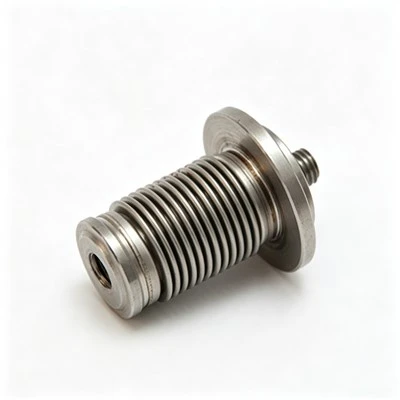
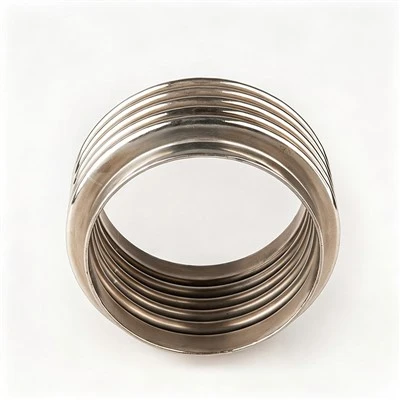
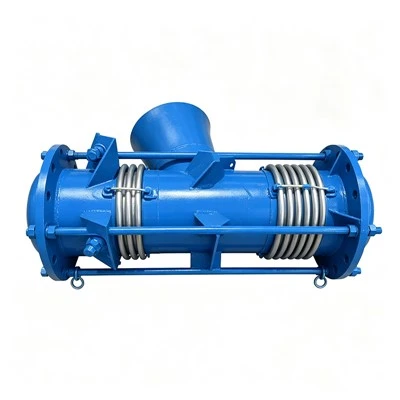
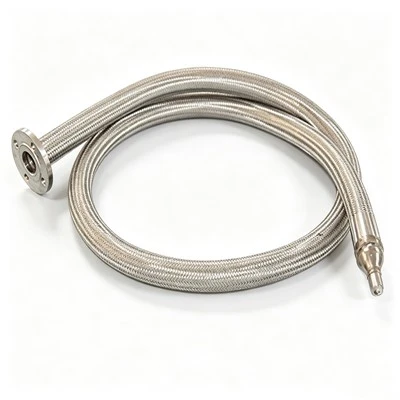
Shock is a sudden and intense dynamic force that can have significant implications for various mechanical components, including single ply stainless steel bellows. As a supplier of Single Ply Stainless Steel Bellows, understanding the effects of shock on these bellows is crucial for ensuring their reliable performance in diverse applications.
Mechanisms of Shock and Its Interaction with Single Ply Stainless Steel Bellows
Shock events can occur due to a multitude of reasons, such as sudden impacts, rapid changes in fluid pressure, or seismic activities. When a shock wave reaches a single ply stainless steel bellows, it initiates a complex series of interactions. The bellows, which are designed to be flexible and capable of absorbing and compensating for movement, are now subjected to an abrupt and high - magnitude force.
One of the primary ways shock affects single ply stainless steel bellows is through stress propagation. The shock wave induces stress waves that travel through the stainless - steel material of the bellows. Unlike normal operating stresses, shock - induced stresses are much higher in magnitude and have a very short duration. These stress waves can cause local deformation and strain concentrations within the bellows structure. For example, in areas where the thickness of the single ply changes slightly, such as near the welds or at the points of connection to other components, the shock - induced stress may be amplified, leading to potential micro - cracking or damage.
Another aspect of the shock interaction is related to the bellows' ability to respond dynamically. Single ply stainless steel bellows are characterized by their compliance, which allows them to deform under normal loads. However, during a shock event, the time available for the bellows to respond is extremely limited. The fast - acting shock force may cause the bellows to deform at a rate that exceeds its normal elastic limit. This can result in plastic deformation, where the bellows do not return to their original shape after the shock has passed.
Physical and Structural Damage Caused by Shock
The most obvious effect of shock on single ply stainless steel bellows is physical damage. Micro - cracks can form on the surface of the bellows due to the intense stress concentrations during the shock. These micro - cracks can eventually grow over time, especially with repeated shock exposure. This process can compromise the integrity of the bellows and may lead to leaks or complete failure.
In addition to micro - cracking, the shock can also cause the bellows to undergo excessive deformation. For instance, the convolutions of the bellows may be compressed or stretched beyond their design limits. In some cases, the shock can cause the bellows to buckle. Buckling is a critical mode of failure for bellows as it not only affects their functionality but can also lead to further structural damage to the surrounding components.
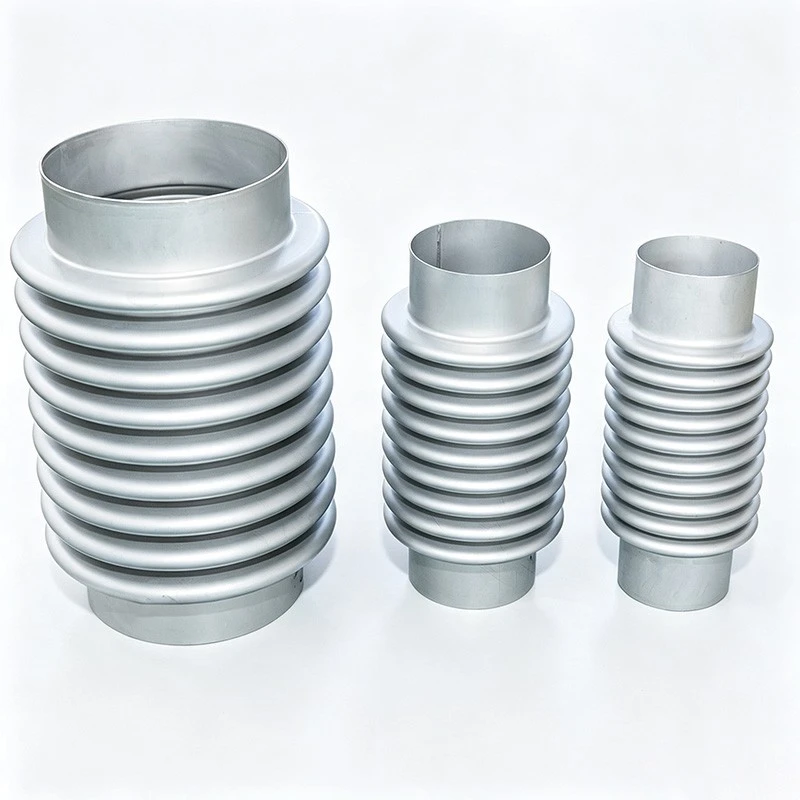
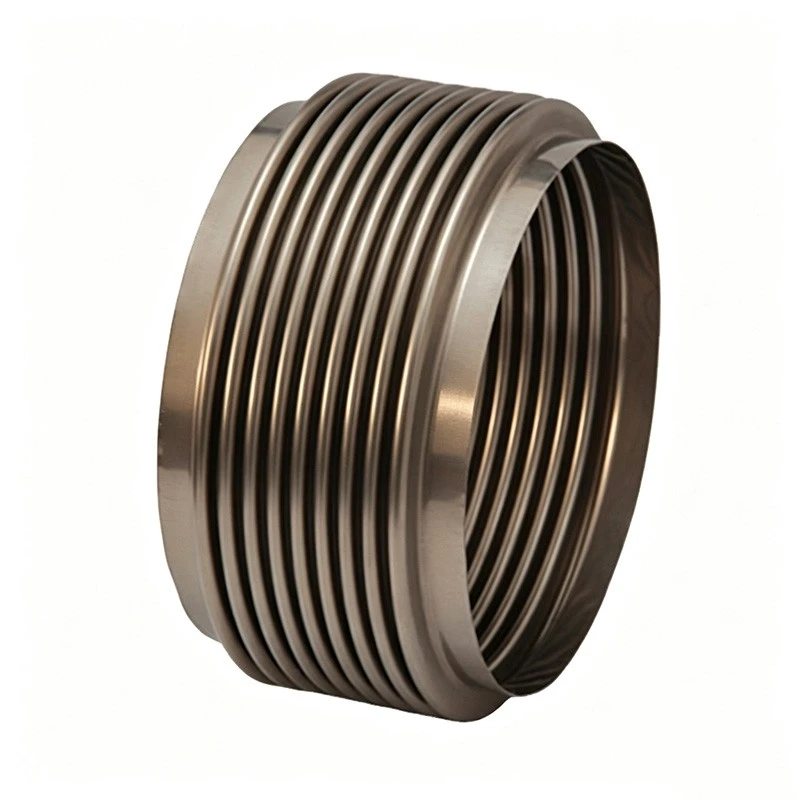
Shock can also have an impact on the surface finish of the single ply stainless steel bellows. A high - energy shock can cause abrasion or scratching of the bellows surface. These surface irregularities can potentially act as sites for corrosion initiation, reducing the long - term durability of the bellows.
Performance Degradation in System - Level Applications
When single ply stainless steel bellows are integrated into a larger system, shock - induced damage can lead to significant performance degradation. For example, in a piping system, the bellows are often used to absorb thermal expansion and vibration. If the bellows are damaged due to shock, their ability to perform these functions is severely impaired. This can result in increased stress on other components of the piping system, such as valves and flanges, and may lead to premature failure of these components.
In aerospace applications, single ply stainless steel bellows are used in fuel lines and hydraulic systems. A shock event can cause the bellows in these systems to leak, which can have catastrophic consequences. The loss of fuel or hydraulic fluid can lead to a loss of control of the aircraft or other aerospace vehicles.
Mitigation Strategies for Reducing Shock Effects
As a supplier of single ply stainless steel bellows, we are aware of the importance of mitigating the effects of shock. One approach is to optimize the design of the bellows. By carefully selecting the material grade, wall thickness, and convolution geometry, we can enhance the bellows' resistance to shock. For example, using high - strength stainless - steel alloys can increase the maximum stress the bellows can withstand before damage occurs.
Another strategy is to incorporate shock - absorbing components into the system. This can include using rubber gaskets or dampers in combination with the single ply stainless steel bellows. These additional components can help to dissipate the shock energy before it reaches the bellows.
Testing and certification are also critical aspects of ensuring the shock resistance of our products. We subject our single ply stainless steel bellows to a series of shock tests under different conditions to simulate real - world scenarios. Only after passing these tests do we consider our bellows suitable for use in high - risk applications.
Comparison with Other Types of Stainless Steel Bellows
It is also interesting to compare the shock resistance of single ply stainless steel bellows with other types of stainless steel bellows, such as Multi Ply Stainless Steel Bellows and Hydroformed Stainless Steel Bellows. Multi - ply bellows, which consist of multiple layers of stainless steel, generally offer better shock resistance compared to single - ply bellows. The multiple layers can distribute the shock - induced stress more evenly, reducing the risk of local damage.
Hydroformed stainless steel bellows are formed using a hydraulic process, which can result in a more uniform and precise structure. This can potentially enhance their shock resistance compared to single - ply bellows formed using other methods. However, the cost and manufacturing complexity of hydroformed bellows are also higher.
Applications and the Need for Shock - Resistant Bellows
Single ply stainless steel bellows find applications in a wide range of industries, such as automotive, chemical processing, and power generation. In automotive exhaust systems, for example, the bellows are exposed to shock loads due to vibrations from the engine and road bumps. A shock - resistant single ply stainless steel bellows can ensure the long - term performance and reliability of the exhaust system.
In chemical processing plants, the bellows are used in pipelines to transport corrosive fluids. Shock events in these pipelines can be caused by rapid valve closures or pump start - ups. Having shock - resistant bellows is essential to prevent leaks and ensure the safety of the chemical processing operations.
Our Role as a Supplier
As a leading supplier of Single Ply Stainless Steel Bellows, we are committed to providing high - quality products that can withstand the challenges posed by shock. We work closely with our customers to understand their specific application requirements and provide customized solutions. Our engineering team has extensive experience in designing and manufacturing bellows with optimal shock resistance.
We also offer a wide range of related products, such as Externally Pressurized Stainless Steel Bellows and Stainless Steel Bellows Element, which can be used in conjunction with single - ply bellows to enhance the overall performance of the system.
Contact Us for Your Bellows Needs
If you are in need of high - quality single ply stainless steel bellows that can withstand shock, we invite you to reach out to us. Whether you are in the automotive, chemical processing, or any other industry, our team of experts is ready to assist you in finding the perfect solution for your specific application. We can provide detailed product information, technical support, and competitive pricing. Contact us today to start a discussion about your bellows procurement requirements.
References
- Ugural, A. C., & Fenster, S. K. (2003). Advanced strength and applied elasticity. Pearson Prentice Hall.
- Roark, R. J., & Young, W. C. (1989). Roark's formulas for stress and strain. McGraw - Hill.
- ESDU 81031: Design of corrugated metal bellows for axial deflection, pressure thrust, and bending. London: Engineering Sciences Data Unit.